Archived: 19 October 2026
Abstract
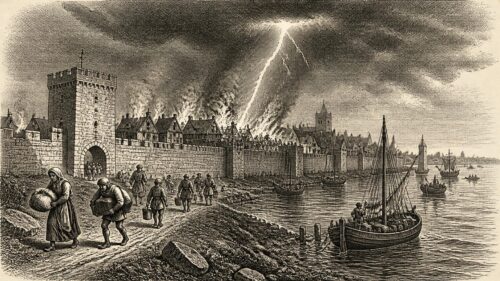
In 1473, Irish annals recorded Galway's destruction by lightning on 2 June, with major losses, alongside severe cattle mortality in Connacht. Raids, executions, family violence and warfare exposed contested lordships and fragile successions across Connacht, the midlands and Muintir Eolais. Conflicting accounts of fighting there reveal regional perspectives and heavy losses among nobles and commoners. Dublin's court executed Edward Nugent after his seizure by kin. Deaths of rulers, heirs, clergy and legal scholar Brian Mac Aodhagáin marked political and cultural change. An indulgence year, eclipse and marvels demonstrate religious and observational concerns, while commerce, livestock, learning and lordship remained intertwined.
Read Article
Archived: 23 October 2026
Abstract
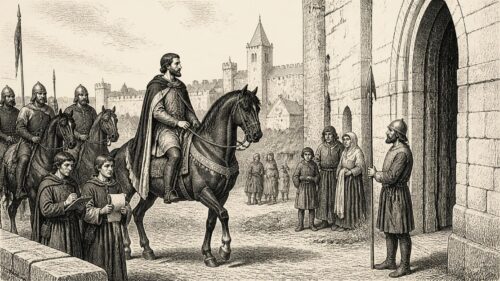
In 1355 Edward III appointed Maurice fitz Thomas FitzGerald, first earl of Desmond, justiciar of Ireland, and he began serving in August. His restoration after earlier conflict with the crown demonstrated royal dependence on powerful Anglo-Irish magnates. Dublin’s institutions could not control a politically fragmented island, where Gaelic and Anglo-Irish lordships exercised overlapping authority. Plague’s recent effects worsened economic and military pressures. Annal-dated reports describe killings, successions and retaliatory warfare in Bréifne, Annaly, Muintir Eolais and Connacht, alongside ecclesiastical and legal continuity. Desmond’s appointment was firmly dated, but annal chronology requires caution. Governance relied on negotiated regional, often violent power.
Read Article
Archived: 23 October 2026
Abstract
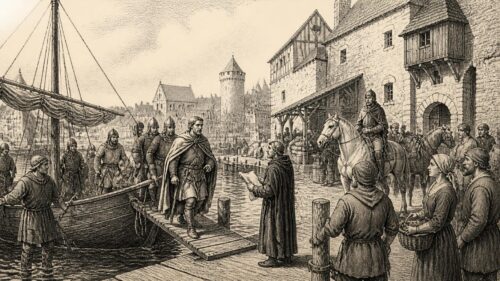
In 1344, Ralph d’Ufford became justiciar of Ireland, landing at Dublin with Maud of Lancaster and pursuing stronger royal oversight of grants, revenues, frontier defence and officials. His inquiries in Cork, administrative changes and Leinster campaign signalled intervention, though not restored island-wide control. Royal military demands also linked Irish magnates to Edward III’s French war. Elsewhere, annals recorded killings, imprisonments and rapid successions among Gaelic lordships in Mide, Airgialla, Breifne, Connacht and Ulster. Church affairs included James Bermingham’s appointment as bishop of Killala. Notices of Finnguala Ó Duibhgeannáin and Cill Rónáin illustrate cultural patronage and the uncertainties of medieval chronology.
Read Article





