
Archived: 26 September 2026
Abstract
In 2021, Ireland emerged unevenly from COVID-19 restrictions as vaccination expanded, COVID passes enabled reopening, and Omicron prompted renewed limits. A cyberattack on the Health Service Executive exposed institutional strain and pandemic inequalities. Publication of the Mother and Baby Homes report and the State apology intensified disputes over redress, records and Tuam. Brexit’s Northern Ireland Protocol fuelled loyalist unrest and Democratic Unionist Party leadership turmoil. Housing shortages prompted Housing for All, while climate legislation, corporate-tax reform and Security Council work shaped policy. Treaty centenary commemorations highlighted partition and civil-war legacies, underscoring recovery’s social, constitutional and international dimensions across the island.
Read Article
Archived: 11 October 2026
Abstract
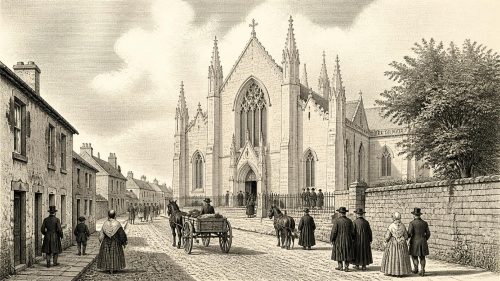
In 1837, Victoria’s accession prompted an Irish general election in which Daniel O’Connell and his allies demonstrated Catholic political organisation despite a restricted, public franchise. Parliament debated Irish poor relief amid widespread insecurity, but legislation followed only in 1838. Tithe grievances, local crop failures, potato dependence and uneven employment exposed rural vulnerability. Tuam’s completed Catholic cathedral symbolised post-emancipation confidence, although religious divisions endured. Samuel Lewis’s dictionary, Ordnance Survey work and Dublin policing measures reflected administrative control. Ireland remained commercially and imperially connected, illustrated by HMS Terror’s repair at Lough Swilly, yet the Union, unequal landholding, poverty and representation remained unresolved.
Read Article




