Limerick Photographic Archive

A searchable photographic catalogue of Limerick images from 1900 to 1999, organised by date, decade, place, subject, people, source collection and image status.

Elm Hill, Co Limerick

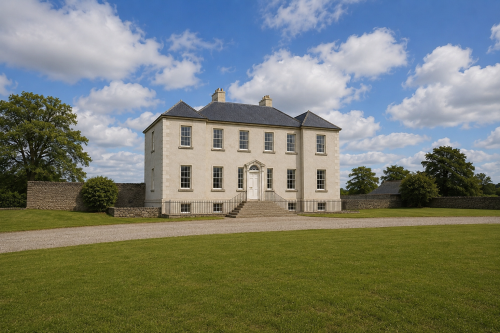
Elm Hill, County Limerick, was built around 1790 for the Studdert family as an elegant Georgian country residence. The six-bay, two-storey house stood over a raised basement and contained spacious reception rooms, nine bedrooms, servants’ quarters, kitchens, cellars and service rooms. Following the Great Famine, it was offered for sale and described as being in excellent repair. The property remained substantial for generations but gradually fell vacant and deteriorated. A 2008 architectural survey praised its limestone doorcase, carved timber entrance, slate-hung elevations, fireplaces and decorative plasterwork. Its recognised importance led to designation as a protected structure under Irish planning legislation.
Glenduff Castle Restored

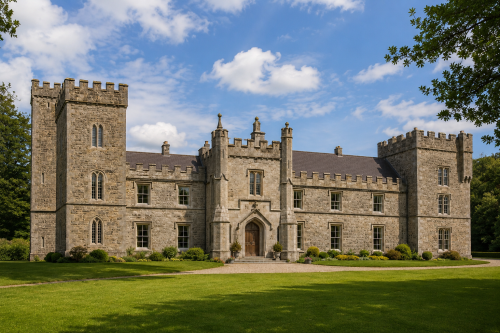
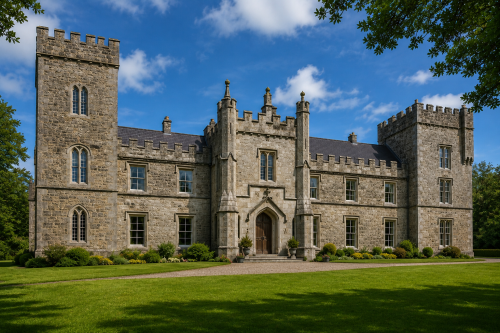
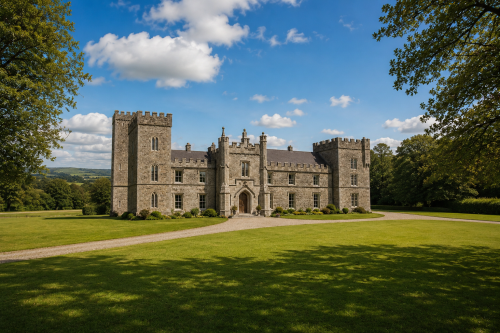
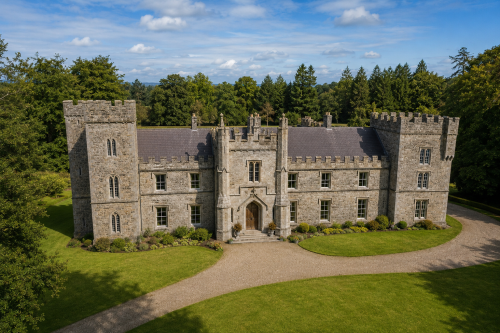
This reconstructed view presents Glenduff Castle in County Limerick as it may have appeared before its destruction in 1922. The imposing residence combines the fortified character of an earlier seventeenth-century tower house with the Gothic Revival additions created for the Ievers family around 1840. Tall crenellated towers, pointed windows, battlements and a formal central entrance give the building a commanding presence. Set within carefully maintained lawns and mature woodland, the castle reflects the scale and confidence of a nineteenth-century Irish country estate. The image offers a plausible visual impression rather than a definitive record of its original appearance or grandeur.

Glenduff Castle Restored

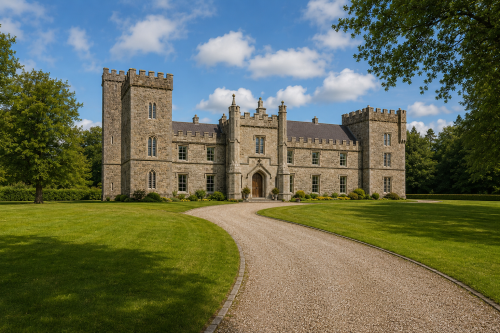
This reconstructed view presents Glenduff Castle in County Limerick as it may have appeared before its destruction in 1922. The imposing residence combines the fortified character of an earlier seventeenth-century tower house with the Gothic Revival additions created for the Ievers family around 1840. Tall crenellated towers, pointed windows, battlements and a formal central entrance give the building a commanding presence. Set within carefully maintained lawns and mature woodland, the castle reflects the scale and confidence of a nineteenth-century Irish country estate. The image offers a plausible visual impression rather than a definitive record of its original appearance or grandeur.

Glenduff Castle Restored

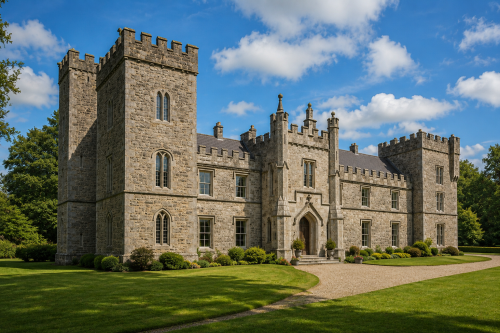
This reconstructed view presents Glenduff Castle in County Limerick as it may have appeared before its destruction in 1922. The imposing residence combines the fortified character of an earlier seventeenth-century tower house with the Gothic Revival additions created for the Ievers family around 1840. Tall crenellated towers, pointed windows, battlements and a formal central entrance give the building a commanding presence. Set within carefully maintained lawns and mature woodland, the castle reflects the scale and confidence of a nineteenth-century Irish country estate. The image offers a plausible visual impression rather than a definitive record of its original appearance or grandeur.

Glenduff Castle Restored

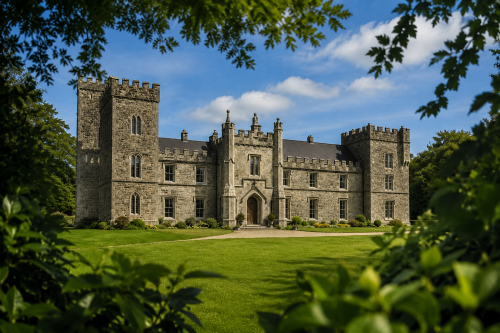
This reconstructed view presents Glenduff Castle in County Limerick as it may have appeared before its destruction in 1922. The imposing residence combines the fortified character of an earlier seventeenth-century tower house with the Gothic Revival additions created for the Ievers family around 1840. Tall crenellated towers, pointed windows, battlements and a formal central entrance give the building a commanding presence. Set within carefully maintained lawns and mature woodland, the castle reflects the scale and confidence of a nineteenth-century Irish country estate. The image offers a plausible visual impression rather than a definitive record of its original appearance or grandeur.

Glenduff Castle Restored

This reconstructed view presents Glenduff Castle in County Limerick as it may have appeared before its destruction in 1922. The imposing residence combines the fortified character of an earlier seventeenth-century tower house with the Gothic Revival additions created for the Ievers family around 1840. Tall crenellated towers, pointed windows, battlements and a formal central entrance give the building a commanding presence. Set within carefully maintained lawns and mature woodland, the castle reflects the scale and confidence of a nineteenth-century Irish country estate. The image offers a plausible visual impression rather than a definitive record of its original appearance or grandeur.

Glenduff Castle Restored

This reconstructed view presents Glenduff Castle in County Limerick as it may have appeared before its destruction in 1922. The imposing residence combines the fortified character of an earlier seventeenth-century tower house with the Gothic Revival additions created for the Ievers family around 1840. Tall crenellated towers, pointed windows, battlements and a formal central entrance give the building a commanding presence. Set within carefully maintained lawns and mature woodland, the castle reflects the scale and confidence of a nineteenth-century Irish country estate. The image offers a plausible visual impression rather than a definitive record of its original appearance or grandeur.

Glenduff Castle Restored

This reconstructed view presents Glenduff Castle in County Limerick as it may have appeared before its destruction in 1922. The imposing residence combines the fortified character of an earlier seventeenth-century tower house with the Gothic Revival additions created for the Ievers family around 1840. Tall crenellated towers, pointed windows, battlements and a formal central entrance give the building a commanding presence. Set within carefully maintained lawns and mature woodland, the castle reflects the scale and confidence of a nineteenth-century Irish country estate. The image offers a plausible visual impression rather than a definitive record of its original appearance or grandeur.

Glenduff Castle Restored

This reconstructed view presents Glenduff Castle in County Limerick as it may have appeared before its destruction in 1922. The imposing residence combines the fortified character of an earlier seventeenth-century tower house with the Gothic Revival additions created for the Ievers family around 1840. Tall crenellated towers, pointed windows, battlements and a formal central entrance give the building a commanding presence. Set within carefully maintained lawns and mature woodland, the castle reflects the scale and confidence of a nineteenth-century Irish country estate. The image offers a plausible visual impression rather than a definitive record of its original appearance or grandeur.

Glenduff Castle Restored

This reconstructed view presents Glenduff Castle in County Limerick as it may have appeared before its destruction in 1922. The imposing residence combines the fortified character of an earlier seventeenth-century tower house with the Gothic Revival additions created for the Ievers family around 1840. Tall crenellated towers, pointed windows, battlements and a formal central entrance give the building a commanding presence. Set within carefully maintained lawns and mature woodland, the castle reflects the scale and confidence of a nineteenth-century Irish country estate. The image offers a plausible visual impression rather than a definitive record of its original appearance or grandeur.