Limerick City & County

Adare Manor Colour Print

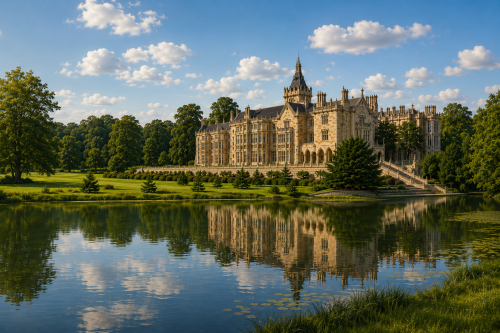
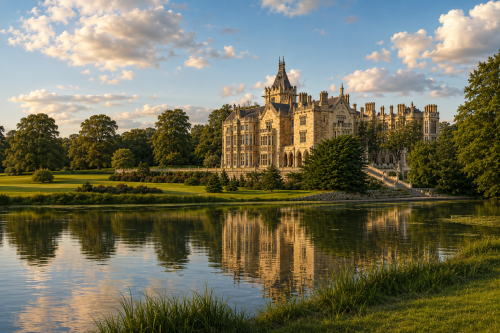
This variation of a colour print depicts Adare Manor beside the River Maigue in Adare, County Limerick. The imposing Gothic Revival residence is shown within landscaped grounds, reflected in the calm water and framed by mature trees. Often described as a calendar house, the manor is associated with 365 windows and 52 chimneys, representing the days and weeks of the year. Published in Francis Orpen Morris’s A Series of Picturesque Views of Seats of the Noblemen and Gentlemen of Great Britain and Ireland, the image celebrates the architecture, setting, and aristocratic character of one of County Limerick’s most recognisable historic estates and landmarks.
Adare Manor Colour Print

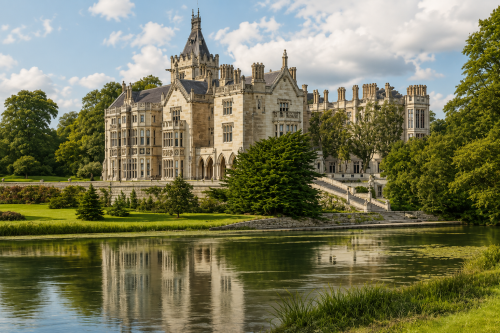
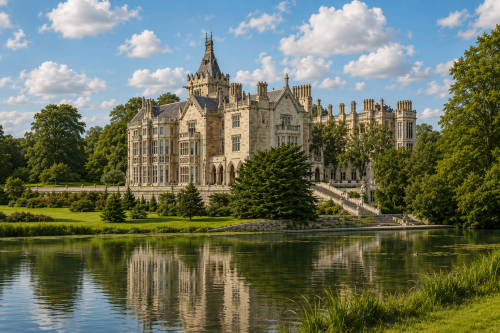
This variation of a colour print depicts Adare Manor beside the River Maigue in Adare, County Limerick. The imposing Gothic Revival residence is shown within landscaped grounds, reflected in the calm water and framed by mature trees. Often described as a calendar house, the manor is associated with 365 windows and 52 chimneys, representing the days and weeks of the year. Published in Francis Orpen Morris’s A Series of Picturesque Views of Seats of the Noblemen and Gentlemen of Great Britain and Ireland, the image celebrates the architecture, setting, and aristocratic character of one of County Limerick’s most recognisable historic estates and landmarks.
Adare Manor Colour Print

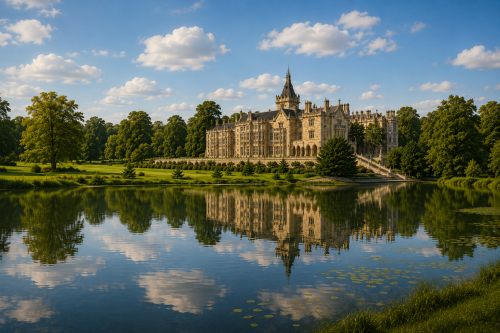
This variation of a colour print depicts Adare Manor beside the River Maigue in Adare, County Limerick. The imposing Gothic Revival residence is shown within landscaped grounds, reflected in the calm water and framed by mature trees. Often described as a calendar house, the manor is associated with 365 windows and 52 chimneys, representing the days and weeks of the year. Published in Francis Orpen Morris’s A Series of Picturesque Views of Seats of the Noblemen and Gentlemen of Great Britain and Ireland, the image celebrates the architecture, setting, and aristocratic character of one of County Limerick’s most recognisable historic estates and landmarks.
Adare Manor Colour Print

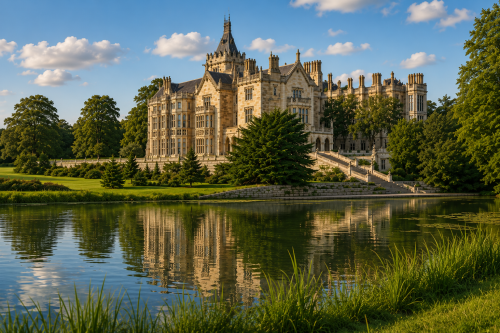
This variation of a colour print depicts Adare Manor beside the River Maigue in Adare, County Limerick. The imposing Gothic Revival residence is shown within landscaped grounds, reflected in the calm water and framed by mature trees. Often described as a calendar house, the manor is associated with 365 windows and 52 chimneys, representing the days and weeks of the year. Published in Francis Orpen Morris’s A Series of Picturesque Views of Seats of the Noblemen and Gentlemen of Great Britain and Ireland, the image celebrates the architecture, setting, and aristocratic character of one of County Limerick’s most recognisable historic estates and landmarks.
Adare Manor Colour Print

This variation of a colour print depicts Adare Manor beside the River Maigue in Adare, County Limerick. The imposing Gothic Revival residence is shown within landscaped grounds, reflected in the calm water and framed by mature trees. Often described as a calendar house, the manor is associated with 365 windows and 52 chimneys, representing the days and weeks of the year. Published in Francis Orpen Morris’s A Series of Picturesque Views of Seats of the Noblemen and Gentlemen of Great Britain and Ireland, the image celebrates the architecture, setting, and aristocratic character of one of County Limerick’s most recognisable historic estates and landmarks.
Adare Manor Colour Print

This variation of a colour print depicts Adare Manor beside the River Maigue in Adare, County Limerick. The imposing Gothic Revival residence is shown within landscaped grounds, reflected in the calm water and framed by mature trees. Often described as a calendar house, the manor is associated with 365 windows and 52 chimneys, representing the days and weeks of the year. Published in Francis Orpen Morris’s A Series of Picturesque Views of Seats of the Noblemen and Gentlemen of Great Britain and Ireland, the image celebrates the architecture, setting, and aristocratic character of one of County Limerick’s most recognisable historic estates and landmarks.
Limerick Market Day, 1937

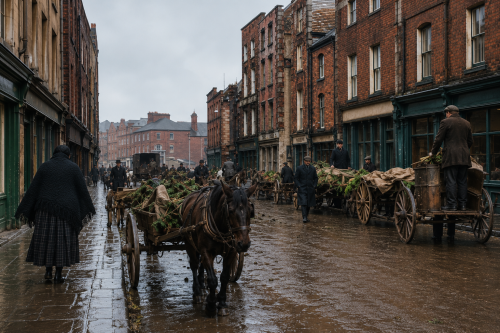
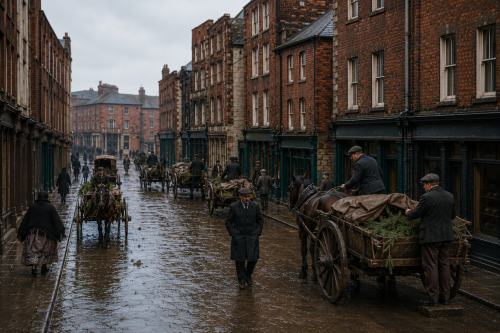
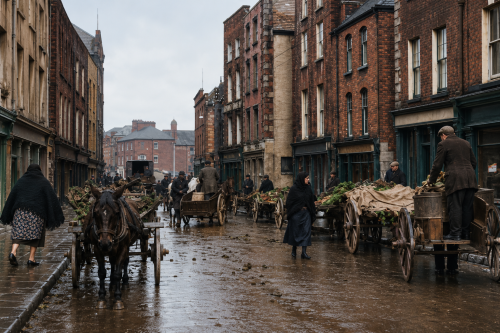
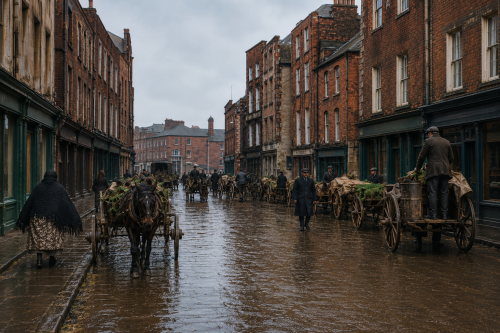
This photograph, dated 1 March 1937, captures a busy market day in Limerick city. Horse-drawn carts, traders, shoppers, and farmers crowd the wet street, creating a vivid picture of everyday commercial life. On the right, a man drives a horse and trap, a form of transport commonly associated with more prosperous Irish farmers. Market goods are displayed on carts and stalls, while pedestrians move between the buildings lining the street. The scene records the importance of markets to Limerick’s economy, bringing rural producers and urban customers together during a period when horses remained central to transport and trade throughout Ireland.

Limerick Market Day, 1937

This photograph, dated 1 March 1937, captures a busy market day in Limerick city. Horse-drawn carts, traders, shoppers, and farmers crowd the wet street, creating a vivid picture of everyday commercial life. On the right, a man drives a horse and trap, a form of transport commonly associated with more prosperous Irish farmers. Market goods are displayed on carts and stalls, while pedestrians move between the buildings lining the street. The scene records the importance of markets to Limerick’s economy, bringing rural producers and urban customers together during a period when horses remained central to transport and trade throughout Ireland.

Limerick Market Day, 1937

This photograph, dated 1 March 1937, captures a busy market day in Limerick city. Horse-drawn carts, traders, shoppers, and farmers crowd the wet street, creating a vivid picture of everyday commercial life. On the right, a man drives a horse and trap, a form of transport commonly associated with more prosperous Irish farmers. Market goods are displayed on carts and stalls, while pedestrians move between the buildings lining the street. The scene records the importance of markets to Limerick’s economy, bringing rural producers and urban customers together during a period when horses remained central to transport and trade throughout Ireland.

Limerick Market Day, 1937

This photograph, dated 1 March 1937, captures a busy market day in Limerick city. Horse-drawn carts, traders, shoppers, and farmers crowd the wet street, creating a vivid picture of everyday commercial life. On the right, a man drives a horse and trap, a form of transport commonly associated with more prosperous Irish farmers. Market goods are displayed on carts and stalls, while pedestrians move between the buildings lining the street. The scene records the importance of markets to Limerick’s economy, bringing rural producers and urban customers together during a period when horses remained central to transport and trade throughout Ireland.