Archived: 17 October 2026
Abstract
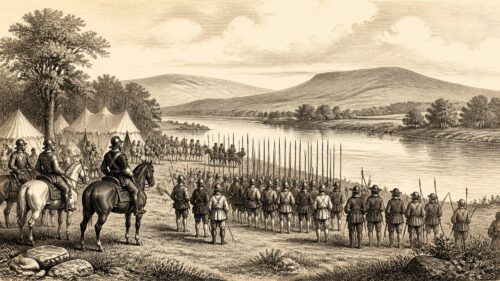
In 1586, the Battle of Ardnaree exposed the entanglement of Connacht rivalries, Scottish military migration and expanding Tudor authority. On 23 September, Richard Bingham surprised and defeated Scottish mercenaries and Irish allies beside the River Moy near modern Ballina. The encounter formed part of a wider campaign to enforce government through sheriffs, courts, rents and military pressure. Bingham’s position as provincial governor connected local conflict to Dublin’s claims of sovereignty. The victory weakened his opponents without resolving the underlying tensions. Ardnaree illustrates how Gaelic lordship, external armed support and crown administration shaped one another within an contested regional political order.
Read Article
Archived: 17 October 2026
Abstract
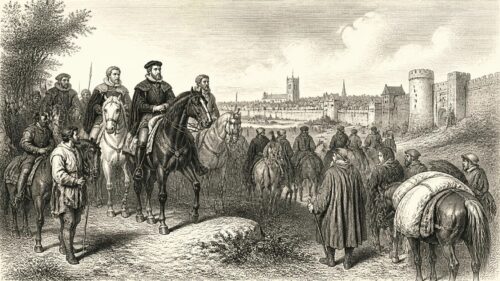
In 1585 Sir John Perrot sought to extend Tudor government through parliament, negotiated revenues and regional settlements. Dublin’s parliament drew Gaelic, Old English and crown interests together, recognising Hugh O’Neill as earl of Tyrone, yet resistance to cess and limited attendance exposed fragile consent. The Composition of Connacht and Thomond converted traditional exactions into recorded cash payments, though coercion, abuses and refusals persisted. In Ulster, Perrot temporarily accommodated rival O’Neill claims while creating new counties, but MacDonnell power remained resilient. Religious repression, local violence, damaged crops and noble succession further revealed a kingdom governed through negotiation, insecurity and competing loyalties.
Read Article
Archived: 17 October 2026
Abstract
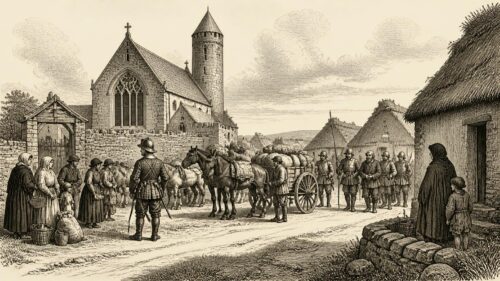
In 1582, the Second Desmond Rebellion persisted as a destructive Munster war despite John of Desmond’s death near Castlelyons. Raiding, military reprisals and disrupted cultivation produced famine and disease; contemporary reports described catastrophic mortality, affecting loyalists and rebels alike. At Ardfert, Captain Zouch’s garrison burdened local communities and took hostages; after a raid killed Captain Houghton, annals allege children hostages were hanged. Desmond remained militarily active, while reduced crown forces combined pardons with coercion. Political change followed Arthur Grey’s departure, Ormond’s enhanced Munster authority, and wider instability in Wicklow, Connacht and Ulster. Gaelic learned traditions nevertheless endured amid ongoing conflict.
Read Article

Archived: 17 October 2026
Abstract
In 1581, Arthur Grey’s Tudor administration tightened control in Ireland through raids, garrisons, submissions, forfeiture and negotiation, but failed to secure peace. Stanley and Russell burned Fiach MacHugh O’Byrne’s Ballinacor stronghold; Fiach later submitted conditionally, while the excluded Baltinglass continued raids before fleeing abroad. Confiscated estates rewarded Crown servants, whereas cess burdened loyal communities. Munster’s Desmond rebellion endured amid scorched-earth warfare, famine, displacement and Nicholas Sander’s death. Grey negotiated rather than fought Turlough Luineach O’Neill in Ulster, while Malby pressed Connacht. Catholic links persisted through Dermot O’Hurley’s appointment; Derricke’s publication promoted conquest. War extended Tudor authority while creating enduring grievances.
Read Article
Archived: 17 October 2026
Abstract
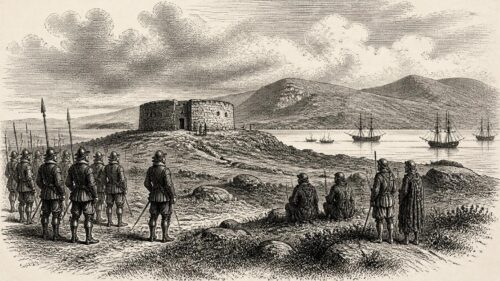
In 1580, the Second Desmond Rebellion widened into a multi-regional and international crisis. Pelham and Ormond's destructive Munster campaigns captured Carrigafoyle, using artillery, naval power and scorched-earth tactics that disrupted food supplies and rural life. In Leinster, Baltinglass joined Fiach MacHugh O'Byrne's revolt, and Grey's army suffered defeat at Glenmalure. A papal-backed Spanish and Italian force landed at Smerwick but surrendered after siege; 500–600 defenders were massacred. Arrests, executions and raids deepened fear. Although Crown forces demonstrated formidable reach, Desmond and Leinster rebels remained active, while warfare inflicted growing social devastation. The year left Ireland unpacified, divided and increasingly impoverished.
Read Article

