Archived: 17 October 2026
Abstract
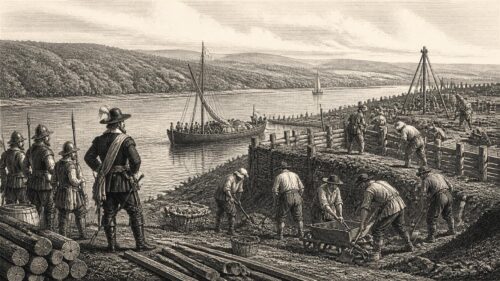
In 1600, the Nine Years’ War shifted strategically without decisive resolution. Lord Mountjoy and Sir George Carew restored English military organisation and recovered much of Munster through garrisons, raiding and coercion, while Ormond’s capture exposed continuing instability. Hugh O’Neill’s southern expedition demonstrated confederate reach but cost him Hugh Maguire and intensified internal disputes. Sir Henry Docwra’s landing at Lough Foyle created a vulnerable but enduring northern bridgehead, strengthened by Niall Garbh O’Donnell’s defection. At Moyry Pass, O’Neill blocked Mountjoy’s advance into Ulster. By year’s end, pressure on the confederacy had grown, making Spanish intervention at Kinsale increasingly urgent in 1601.
Read Article
Archived: 17 October 2026
Abstract
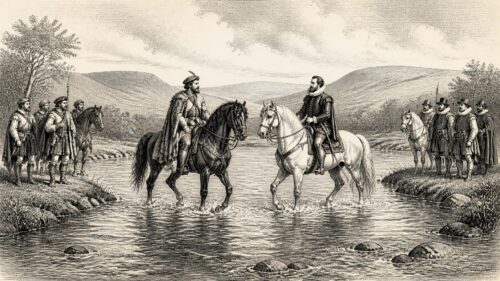
In 1599, Elizabeth I sent the earl of Essex to Ireland with an unprecedented army to suppress the Nine Years’ War. Despite capturing Cahir Castle and campaigning through Munster, his forces were weakened by supply difficulties, resistance, sickness and garrison demands. Sir Conyers Clifford’s defeat and death at Curlew Pass strengthened Hugh Roe O’Donnell’s confederates. Essex’s September river meeting with Hugh O’Neill at Bellaclinthe produced only a temporary truce. Essex then left Ireland without permission, provoking a court crisis. O’Neill subsequently appealed to Pale Catholics, while the year demonstrated that Tudor authority faced intertwined military, religious, political and economic challenges.
Read Article
Archived: 17 October 2026
Abstract
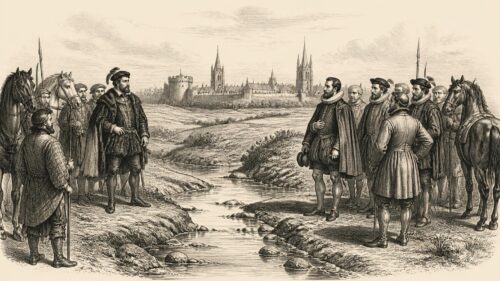
In 1597, Ireland’s war exposed the Tudor administration’s logistical and military weakness while Hugh O’Neill’s confederacy extended its influence. A gunpowder explosion in Dublin killed 126 people, damaged the capital’s supply system, and highlighted insecure wartime labour and logistics. The Crown killed Fiach MacHugh O’Byrne in Glenmalure, weakening but not pacifying Leinster. Hugh Roe O’Donnell raided Connacht, reaching Athenry and Galway. Lord Burgh’s Ulster offensive failed to unite royal forces, although Blackwater Fort was re-established; his death worsened the crisis. Irish victories near Carrickfergus and Daingean compelled talks outside Dundalk. O’Neill accepted a two-month cessation, gaining recognition without surrendering authority.
Read Article

Archived: 17 October 2026
Abstract
In 1591, Tudor authority pressed unevenly upon Gaelic Ireland through military, legal and administrative measures. Brian na Múrtha O’Rourke, lord of West Bréifne, fled to Scotland after invasion, was surrendered to England, tried for treason and executed at Tyburn, demonstrating the crown’s expanding reach. Monaghan’s contested settlement and mass pardons revealed efforts to reorganise lordship and land. Hugh O’Neill’s marriage to Mabel Bagenal intensified Ulster rivalries. Catholic appointments and continental contacts sustained religious networks and official fears of foreign intervention. Annalistic deaths and praise for lords preserved Gaelic values. Although no rebellion began, distrust and dispossession sharpened conditions preceding war.
Read Article

Archived: 17 October 2026
Abstract
In 1579 a small landing on the Kerry coast turned Munster into the centre of a new and far more dangerous phase of resistance to Elizabeth I’s government in Ireland. The immediate military force was tiny. Its significance lay instead in the connections it represented: an Irish exile returned from Europe, Spanish and Italian soldiers, papal money and religious encouragement, and the possibility that local discontent might join an international Catholic war against the English crown. By the end of the year, the hesitant Earl of Desmond had himself crossed into open rebellion. What began at Smerwick harbour became the
Read Article
Archived: 17 October 2026
Abstract
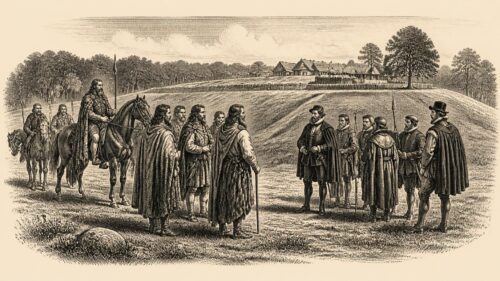
In 1578 Tudor efforts to impose plantation, taxation, courts and provincial authority provoked continuing conflict across Ireland. At Mullaghmast, Francis Cosby allegedly murdered about seventy unarmed O’Mores, deepening resistance to the Laois plantation. Rory Óg O’More raided neighbouring districts before crown-aligned forces killed him in summer; his displayed head symbolised coercion, not pacification. Fiach MacHugh O’Byrne made precarious submissions while surviving attempted ambushes. Lord Justice William Drury combined bargains, judicial tours and religious pressure, securing temporary agreements with Desmond and other lords. Conflict also touched Connacht, while learned Gaelic households endured and Smerwick Harbour received a wrecked Frobisher expedition vessel.
Read Article
Archived: 17 October 2026
Abstract
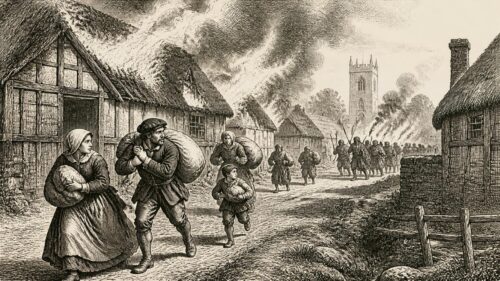
In 1577, Tudor authority in Ireland expanded through garrisons, agreements and coercion, yet faced resistance and disputes over the burdensome cess imposed on the Pale. In Leinster, Rory Óg O’More opposed plantation in Laois after Crown forces received authority to wage destructive war. His followers burned Naas in May and later captured Crown officers, while reprisals intensified. A recorded killing at Mullaghmast exposed mistrust, although claims of a larger massacre remain chronologically uncertain. Elsewhere, officials strengthened control in Thomond and negotiated revenue with Brian O’Rourke. Catholic resistance, overseas plans, religious division and comet marked continuing Leinster conflict at year's end.
Read Article
Archived: 17 October 2026
Abstract
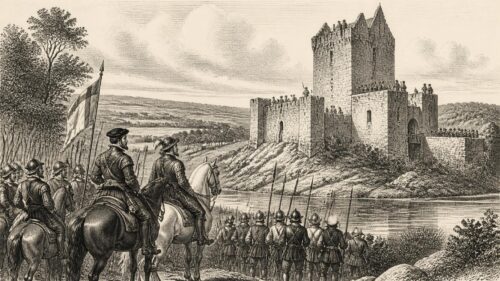
In 1574 Tudor authority faced pressures across Ireland. In Munster, Desmond’s restored influence, Geraldine Combination and his son’s seizure of Derrinlaur Castle challenged crown control; Fitzwilliam and Ormond captured the castle in August, and Desmond submitted at Cork on 2 September, though settlement remained fragile. In Ulster, Essex’s failing Clandeboye colony suffered plague, shortages and mutiny before his destructive campaigns and arrest of Sir Brian mac Phelim O’Neill, whose family and followers were killed or executed. Unpaid troops burdened Pale communities, while Catholic links endured through Edmund Tanner’s Roman appointment. The year revealed Tudor power’s coercive reach and governing limits.
Read Article

Archived: 17 October 2026
Abstract
In 1573, crown policy in Ireland combined pardons, restoration and colonisation, but failed to produce lasting stability. James fitz Maurice Fitzgerald’s theatrical submission to Sir John Perrot at Kilmallock temporarily checked the Desmond revolt, while Gerald Desmond’s return and escape to Munster revived Geraldine authority. Warfare continued to burden civilian communities. In Ulster, denization for Sorley Boy MacDonnell contrasted with Walter Devereux, earl of Essex’s grant to colonise Clandeboye. Resistance by Brian MacPhelim O’Neill, the burning of Carrickfergus, logistical weakness and Thomas Smith’s death exposed the venture’s fragility. These events made landholding, allegiance, religion and security contested within Elizabethan rule.
Read Article
Archived: 17 October 2026
Abstract
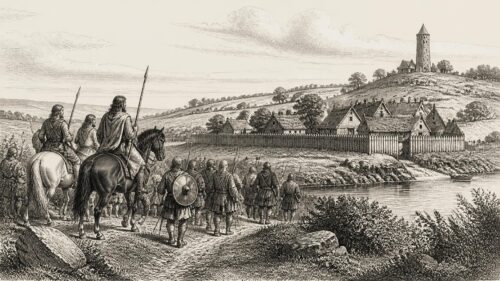
In 1569, Tudor government sought to extend Elizabeth I’s authority through parliament, military action, taxation reform and provincial administration. In Munster, James fitz Maurice Fitzgerald, Donal MacCarthy Mór and allies formed a Catholic confederacy, sought Spanish aid, and launched the first Desmond rebellion by attacking Kerrycurrihy. Religious aims overlapped with disputes over Desmond imprisonment, land, settlement and lordly power. Butler brothers raised south Leinster against government interference and Sir Peter Carew’s claims, but failed at Kilkenny. Sidney’s autumn campaign, supported by Ormond and Gilbert, broke the coalition’s momentum. Fitton’s Connacht presidency further expanded royal institutions amid widespread nationwide civilian disruption.
Read Article
Archived: 17 October 2026
Abstract
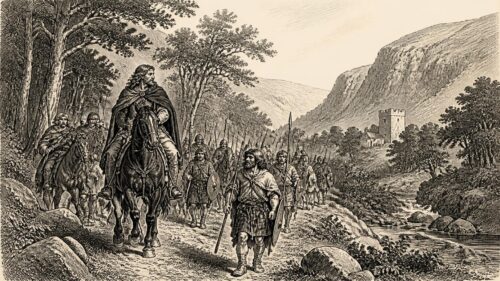
In 1565, Ireland remained divided among powerful Gaelic and Old English lordships despite Tudor claims. At Affane, Ormond defeated and captured Desmond during a dispute over Déise, prompting concern at magnates waging private war. In Ulster, Shane O’Neill crushed the MacDonnells at Glentaisie, extending influence through garrisons and settlement, and alarming Dublin and London. The Crown advanced surrender and regrant by creating Donal MacCarthy Mór earl of Clancare, while Henry Sidney’s confirmation signalled intervention. Catholic organisation persisted through Jesuit schooling and Miler Magrath’s appointment. The death of scholar Tadhg Cam Ó Cléirigh also demonstrated continuing learned patronage amid political conflict.
Read Article
Archived: 17 October 2026
Abstract
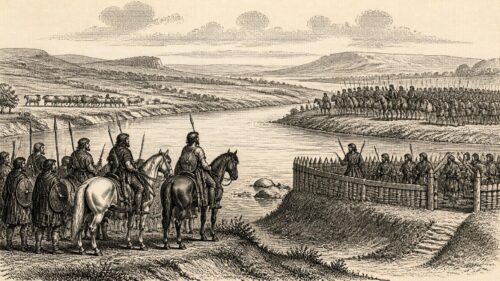
In 1564, Ireland experienced interconnected struggles over lordship, succession, tribute and fortified places rather than a unified war. Shane O’Neill, strengthened by Crown recognition but constrained by unresolved negotiations and Dublin’s weakness, raided Tír Chonaill, exploited O’Donnell divisions at Donegal, supported Hugh Boy O’Rourke in Breifne, and fought the MacDonnells near the Bann. His setback and ensuing truce demonstrated limits to his power; decisive MacDonnell defeats came later. In Thomond, rival O’Briens, mercenaries and raids devastated communities, cattle and church resources. Religious institutions remained politically important, while William Bathe’s birth reflected Dublin society. The year intensified conflicts without resolving them.
Read Article




