Membership is completely free, giving members unlimited access to all available resources, services, features, and benefits without any restrictions or fees.
Welcome back. Sign in to continue enjoying unlimited access to all available resources, services, features, and member benefits at no cost.
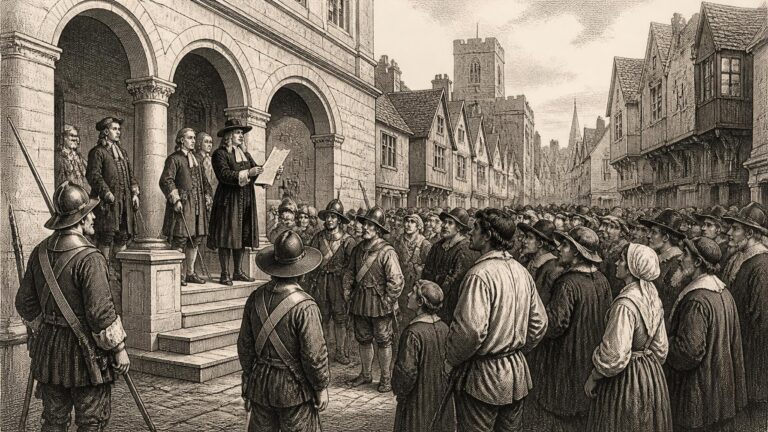
The opening political event of the year was the meeting in Dublin of the General Convention of Ireland. It first assembled on 27 February, adjourned for broader attendance, and met again from 2 March. It was not a lawful parliament in the older constitutional sense: the Irish parliament had not been summoned, and the Convention had only one chamber. Nevertheless, it created a forum through which the dominant Protestant political interest could co-ordinate its response to the crisis of the English republic.
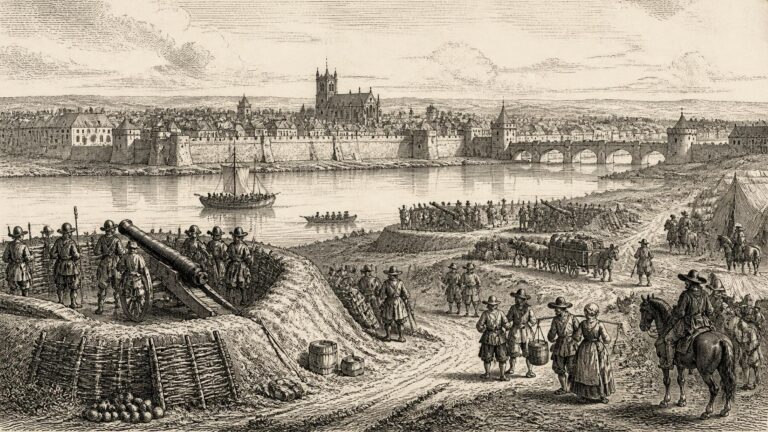
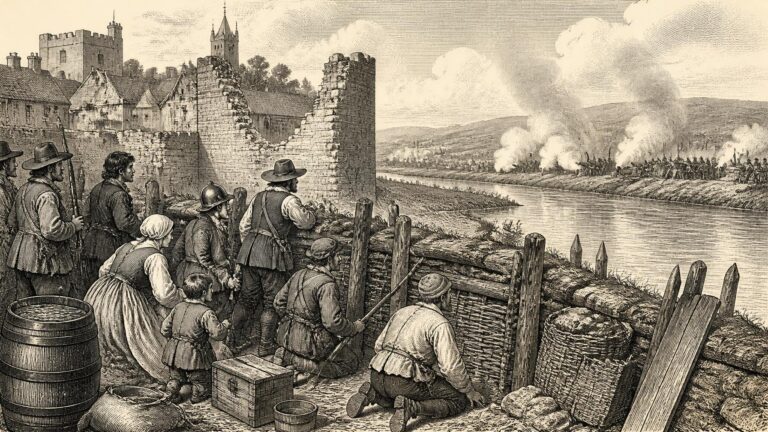
Galway had been under severe pressure since 1651. Sir Charles Coote’s parliamentarian force enclosed it from the landward side, while Commonwealth warships helped deny relief by sea. The town was more than a local stronghold. Its merchants connected western Ireland with Iberia, France and the wider Atlantic; its walls, civic institutions and Catholic elite made it one of the last substantial centres of the Confederate cause. Thomas Preston, an experienced Catholic commander, served as its military governor. The prolonged siege compounded the shortages already experienced by inhabitants and displaced people who had reached the city during the war.
Henry Ireton, Oliver Cromwell’s son-in-law and successor as commander of the parliamentary army in Ireland, began the campaigning season with a formidable military position but demanding tasks. Cromwell had left Ireland in 1650. Ireton now commanded the army as well as helping to shape the new Commonwealth administration. The remaining resistance was fragmented: Catholic confederates, Irish royalists, English royalists and local garrisons could still co-operate, but their political aims, religious commitments and personal rivalries did not always coincide.
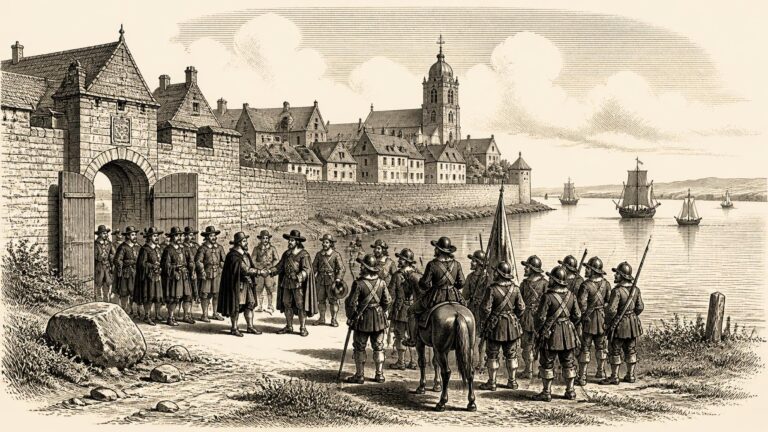
Ireland’s defenders were divided by religion, local interest, military rivalry and competing ideas of loyalty. The coalition associated with James Butler, marquess of Ormond, joined Irish Catholic Confederates to Protestant royalists in the name of Charles II. Yet its unity had always been precarious. In April, Cromwell secured an agreement with many Protestant royalist forces in Munster and Leinster. They undertook not to fight for the Commonwealth’s enemies; in return, Cromwell promised security for their lives and property. This mattered militarily because it removed much of the Protestant armed support on which Ormond’s alliance depended. It also sharpened the conflict’s confessional edge: those most determined to continue organised resistance were increasingly Irish Catholics.