
Proleek, Nice and New Policing
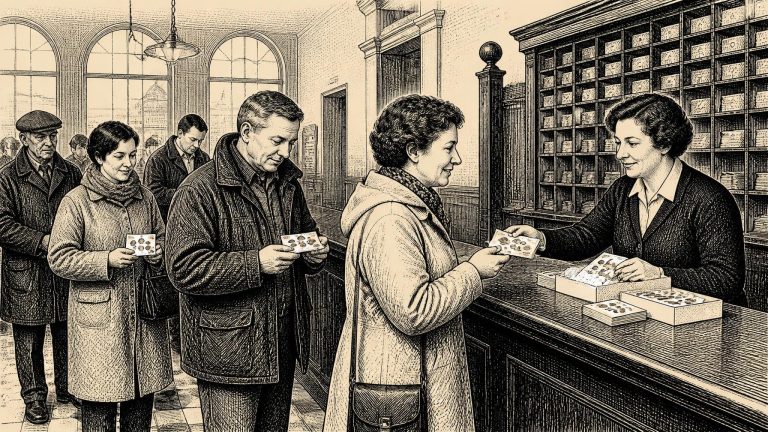
In 2001 Ireland appeared unusually confident. The Republic was still benefiting from the long economic expansion commonly called the Celtic Tiger: employment was high, immigration was changing workplaces and towns, and the State was preparing to exchange the Irish pound for the euro. Yet the year repeatedly showed how exposed an island economy and an unfinished peace settlement could be. A livestock disease crossing the Border closed roads and disrupted rural routines; a low-turnout referendum stopped an important European treaty; and Northern Ireland’s institutions again seemed close to failure. By December, however, the public had tangible euro coins in their hands, while a significant act of IRA decommissioning and the creation of the Police Service of Northern Ireland had altered the practical terms of the peace process.
