
Archived: 26 September 2026
Abstract
In 1998, the Good Friday Agreement created a consent-based framework for Northern Ireland, recognising British and Irish identities, establishing proposed devolved and cross-border institutions, and requiring constitutional change. Referendums on 22 May endorsed it strongly in Northern Ireland and overwhelmingly in the Republic, where the Nineteenth Amendment enabled revised Articles 2 and 3. Assembly elections followed, but disputes over decommissioning delayed an Executive. The Real IRA's Omagh bombing killed twenty-nine people, exposing continuing violence and prompting security measures. John Hume and David Trimble received the Nobel Peace Prize, while economic growth and equality, enterprise and food-safety reforms reflected wider change.
Read Article

Archived: 26 September 2026
Abstract
In 1988, Ireland combined economic hardship, political change, cultural celebration and continuing conflict. Charles Haughey’s government implemented the first full year of the Programme for National Recovery, using fiscal restraint and social partnership, alongside tax and urban-renewal measures. Northern Ireland endured killings at Gibraltar, Milltown, Andersonstown, Ballygawley and Drumnakilly, while emergency powers persisted and Anglo-Irish relations remained strained. John Hume’s private talks with Gerry Adams opened a tentative nationalist channel. The European Court’s Norris judgment challenged criminalisation of homosexual acts; broadcasting laws reshaped media. Dublin’s millennium, Eurovision and Ireland’s Stuttgart victory provided civic and international optimism amid unresolved constitutional violence.
Read Article

Archived: 8 October 2026
Abstract
In 1968, Northern Ireland’s civil-rights movement mobilised grievances over housing, employment, gerrymandering, policing and restricted local voting. Austin Currie’s Caledon protest, marches at Dungannon and Derry, and police violence against the banned 5 October Duke Street demonstration brought televised images to audiences across Ireland and Britain. Student activism produced People’s Democracy, while Terence O’Neill’s government offered reforms, though divisions within unionism and campaigners’ dissatisfaction persisted. In the Republic, voters rejected constitutional changes to electoral arrangements. Educational grants and student protests reflected wider social change, while Humanae Vitae intensified debate over contraception, conscience and Church authority in Irish society and politics.
Read Article
Archived: 10 October 2026
Abstract
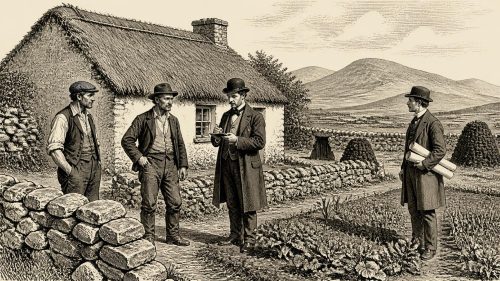
In 1883, Ireland remained divided by unresolved land ownership, coercive government and demands for Home Rule, while the aftermath of the Phoenix Park murders shaped prosecutions and political debate. The Labourers (Ireland) Act established a cautious framework for sanitary authorities to build rural cottages, foreshadowing later reforms. Nationalist organisation persisted through Parnell, the National League and transatlantic support. Catholic institutions expanded with Belfast’s Mater Hospital and a Jesuit University College in Dublin. Completed O’Connell monument figures, international rugby, emigration, a Tyrone tramway proposal and George Moore’s first novel reflected wider civic, economic and cultural change amid continuing uncertainty, national tensions.
Read Article

Archived: 12 October 2026
Abstract
In 1783, Ireland secured confirmation of legislative and judicial autonomy through the Renunciation Act, ending British appellate jurisdiction. Yet its parliament remained Protestant, property-based and controlled by patronage. Volunteers pressed for reform, convening in Dublin at the Rotunda under Lord Charlemont. Their Protestant-focused programme excluded Catholic enfranchisement and sought electoral reform, curbs on office-holders, regular parliaments and anti-corruption measures. Henry Flood’s Volunteer-backed bill was rejected by the Commons, while Grattan resisted armed pressure. The convention adjourned peacefully, exposing constitutional limits. Harvest failures caused scarcity and food prices, while the Bank of Ireland opened and Dublin’s commercial and ceremonial life continued.
Read Article
Archived: 12 October 2026
Abstract
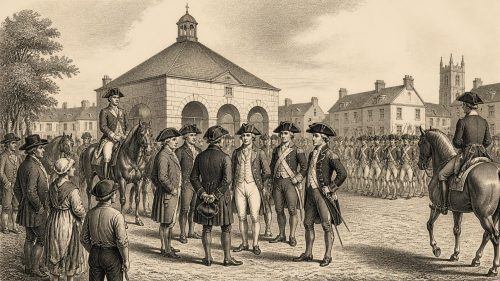
In 1782, Irish Patriots, supported by the predominantly Protestant Volunteer movement, secured major constitutional concessions during Britain’s wartime weakness. Dungannon resolutions, Henry Grattan’s parliamentary campaign and public mobilisation helped win repeal of the Declaratory Act, weakening British legislative supremacy, while Yelverton’s Act reformed Poynings’ Law and expanded Irish parliamentary initiative. The Catholic Relief Act eased property, educational and worship restrictions but withheld political equality. The settlement, later termed Grattan’s Parliament, preserved crown, empire, patronage and a narrow Protestant electorate. Meanwhile, poor harvests, rising prices and an export embargo revealed widespread insecurity. Ireland gained qualified legislative autonomy, not fully democratic self-government.
Read Article

Archived: 13 October 2026
Abstract
In 1738, Ireland experienced a wet, delayed farming season, documented in Cathal Ó Conchubhair’s Irish-language diary through delayed harvests and turf work, exposing rural dependence on weather, fuel and mixed crops. Samuel Madden urged Protestant landlords to promote estate management, agriculture, flax, education and manufacture, though his improvement scheme preserved inequalities. Parliament remained prorogued while government addressed robbery through proclamations and rewards. The deaths of harper Turlough O’Carolan and Dublin educator Thomas Sheridan marked losses. Roxborough Castle’s construction and Richard Montgomery’s birth reflected investment and Protestant Atlantic opportunities. The year revealed social division, economic ambition and environmental vulnerability without famine.
Read Article
Archived: 15 October 2026
Abstract
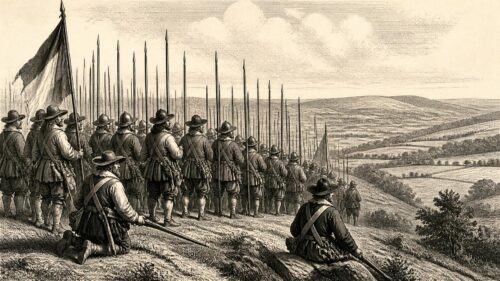
In 1646, the Catholic Confederation reached its military zenith but became divided over peace with Charles I. Owen Roe O’Neill’s victory over Scottish Covenanters at Benburb, Preston’s Connacht operations, and the capture of Bunratty strengthened hopes of securing Catholic religious and political guarantees. The First Ormond Peace, agreed secretly with the royalist lord lieutenant, offered insufficient protections and provoked clerical, military and popular resistance. Papal nuncio Giovanni Battista Rinuccini led opposition, overthrowing the agreement and remodelling Confederate government. A failed advance on Dublin exposed rivalries, weak supply and divided command. Kilkenny’s Catholic print culture also articulated suffering, rights and legitimacy.
Read Article

Archived: 15 October 2026
Abstract
In October 1641, Catholic grievances over plantation, exclusion and religious constraints combined with Stuart political instability to trigger rebellion in Ireland. A planned seizure of Dublin Castle failed, but Sir Phelim O’Neill’s Ulster rising captured Dungannon and Charlemont. His proclamation professed loyalty to Charles I and protection for Protestants, while a later forged royal commission fuelled confusion. The conflict brought flight, plunder, killings, dispossession and winter hardship, alongside retaliatory violence. Testimony in the 1641 Depositions records crisis but requires critical reading. Fighting spread towards Dublin, Leinster and Munster, intensified English and Scottish political conflict, and left Ireland fractured without settlement.
Read Article
Archived: 16 October 2026
Abstract
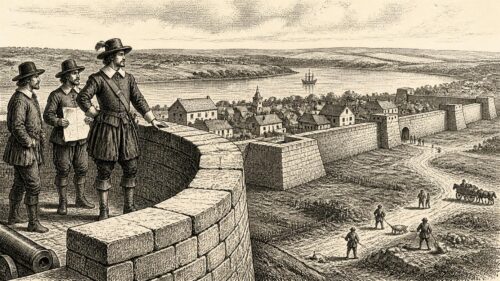
1619 was marked by surveys, construction and institutional change rather than a single national event. Captain Nicholas Pynnar’s inspection of Ulster Plantation estates assessed fortifications, settlers, farms, mills, arms and compliance, revealing uneven progress and persistent Irish presence. At Londonderry, newly completed walls demonstrated Crown authority, but sparse population, incomplete gates and inadequate watch shelter exposed vulnerability. A May deadline sought removal of Irish occupants from undertakers’ lands, though implementation proved limited. Estate houses, churches, schools and mills advanced colonial order. Dublin saw administrative government, episcopal succession and Ireland’s first medical book printed, foreshadowing enduring social and confessional tensions ahead.
Read Article
Archived: 16 October 2026
Abstract
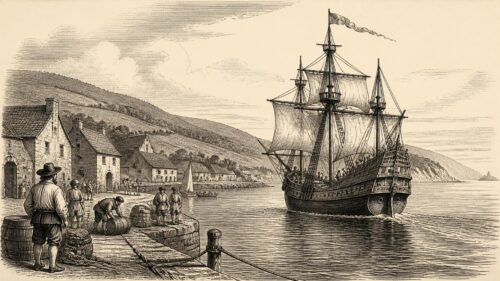
In 1617 Ireland was being reshaped by Atlantic commerce, plantation, religious pressure and cultural debate. Sir Walter Ralegh’s Guiana fleet provisioned at Cork before departing, demonstrating the port’s capacity. The Crown, under Lord Deputy Oliver St John, extended administration through land disputes, grants and titles, including Hamilton’s Strabane barony within the incomplete Ulster Plantation. In Munster, the Barrymore family shifted its seat to Castlelyons. An October proclamation renewed action against Catholic clergy, though Catholic practice endured. Gaelic poets contested regional honour and historical authority, while Barnabe Rich’s satire criticised colonial society. These developments reveal negotiated change rather than settled peace.
Read Article
Archived: 18 October 2026
Abstract
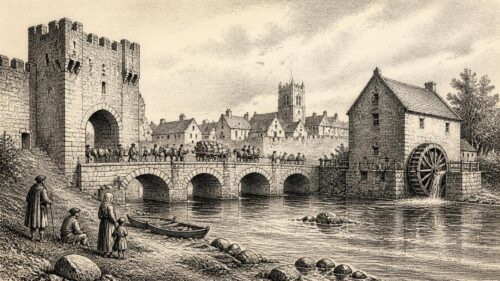
In 1562 Shane O’Neill travelled to Whitehall, submitting to Elizabeth I while contesting the crown’s control over the Tyrone succession. He asserted authority derived from Gaelic inauguration as the O’Neill; ministers delayed any settlement, fearing his power and the precedent. During negotiations, Brian O’Neill, rival Dungannon claimant, was killed by Turlough Luineach, leaving young Hugh heir in English eyes. Shane’s subsequent raids devastated neighbouring lordships, especially Fermanagh, exposing limits of crown protection. Elsewhere, Brian Ballach O’Rourke’s death prompted succession in West Breifne, while Galway’s new bridge, mill and gate displayed urban investment, trade and defence within Ireland’s varied political landscape.
Read Article
Archived: 18 October 2026
Abstract
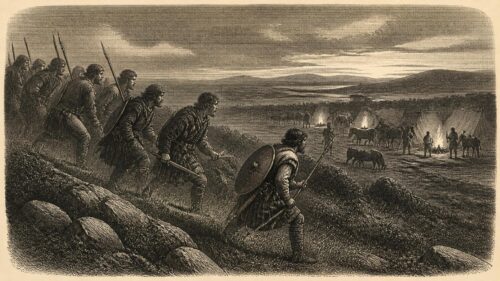
In 1522, Aodh Dubh Ó Domhnaill defeated Conn Bacach Ó Néill’s extensive coalition at a surprise night attack at Cnoc Buidhe, or Knockavoe, near Strabane. Conn’s allies included Ulster lords, Connacht and Munster contingents, men from Meath and Leinster, and Scottish mercenaries. Earlier raids captured Ballyshannon, burned settlements and seized livestock, damaging Tír Chonaill’s communities and resources. Ó Domhnaill’s victory disrupted the coalition’s planned advance from Sligo and preserved his lordship, though warfare continued into 1523. The campaign demonstrated Ireland’s interconnected political and maritime world, while annalistic notices also recorded churchmen, scholars and the wartime deaths of learned household members.
Read Article
Archived: 18 October 2026
Abstract
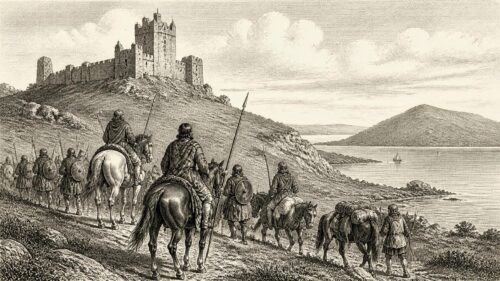
In 1517 Gerald FitzGerald, ninth earl of Kildare and lord deputy, demonstrated both the reach and limitations of Tudor authority in Ireland. After convening a Dublin parliament, he campaigned in Ulster, destroying Dundrum Castle, seizing Félim Magennis’s family and hostages, and burning Dungannon. Yet O’Donnell also raided Tír Eoghain and destroyed Dungannon amid O’Neill succession rivalries, showing regional politics remained autonomous. Elsewhere, inaugurations, killings, cattle raids and castle warfare reshaped local lordships. A severe frost disrupted travel, while a boat from Tory Island vanished at sea. The year reveals a connected but politically fragmented island, rather than unified crown rule.
Read Article
Archived: 19 October 2026
Abstract
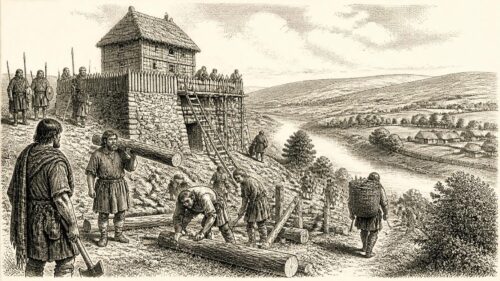
In 1512, Irish power rested on military mobility, castles, hostages, revenue and patronage amid overlapping crown, Gaelic and ecclesiastical jurisdictions. Returning from pilgrimage, Aodh Dubh O’Donnell raised hired troops, defeated Edmund Burke’s forces, destroyed Esker castle, secured hostages, and compelled Art O’Neill to terms before rebuilding Omagh castle, asserting authority in Tyrone. Meanwhile, Gerald FitzGerald, earl of Kildare and justiciar, campaigned through Connacht and Ulster, capturing and demolishing strongholds including Belfast. Annals also record church patronage, learned households, deaths and Dublin appointments, demonstrating that warfare, negotiation, religion and administration jointly reshaped Ireland’s unsettled political landscape during this exceptionally documented year.
Read Article
Archived: 19 October 2026
Abstract
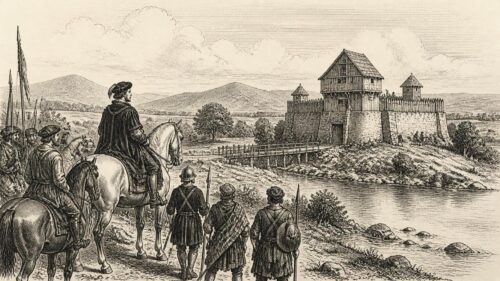
Henry VIII’s accession in 1509 prompted Ireland’s council to retain Gerald FitzGerald, eighth earl of Kildare, as temporary governor, preserving authority in the Pale. Kildare intervened in a disputed O’Neill conflict in Tyrone, campaigning with regional allies, capturing Omagh castle, taking prisoners and demolishing the fortress. Domhnall O’Neill died, and Art O’Neill was inaugurated, illustrating contested Gaelic succession. Uilleag Fionn Burke of Clanricard also died, without ending Burke power. Obituaries for church officers, an erenagh and a learned poet reveal enduring ecclesiastical, hospitable and literary institutions. The year demonstrated that royal change affected Ireland through local alliances, lordships and rivalries.
Read Article

Archived: 19 October 2026
Abstract
In 1500, Ireland experienced local conflicts, disasters and environmental hardship rather than a single national crisis. Aodh Ruadh Ó Domhnaill raided Tír Eógain, burning Dungannon and its strongholds, while Kildare’s intervention in Ó Néill territory proved temporary. Succession changed Breifne’s rulership, and killings, livestock raids and castle-building marked Fermanagh. Galway was largely destroyed by fire, threatening an important trading port. In Munster, the Barry family feud brought murder and posthumous punishment, while John Maguire executed a notorious horse thief. Prolonged wet weather damaged wheat. The death of Derry’s Franciscan bishop also reflected active religious networks across fragmented but connected lordships.
Read Article

Archived: 19 October 2026
Abstract
In 1498, Gerald FitzGerald, earl of Kildare and royal deputy, led Gaelic and Anglo-Irish allies to capture Dungannon Castle with artillery, intervening in the violent O’Neill succession struggle. The campaign displayed military capacity but reinforced a factional settlement rather than extending durable Dublin control. Kildare’s restored administration also summoned parliament, pursuing taxation, customs and measures promoting English elite practice. Ireland endured famine and recorded smallpox deaths, including scholar Cathal Óg Mac Maghnusa, compiler of the Annals of Ulster. Conflict in Munster, religious patronage by Margaret Maguire, and scattered annalistic reports reveal interconnected yet locally experienced political, social and cultural life.
Read Article
Archived: 19 October 2026
Abstract
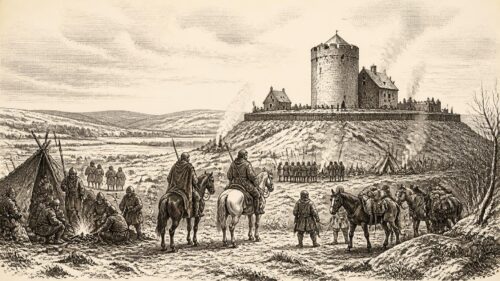
In 1471, Ireland’s competing lordships pursued power through sieges, raids, hostages, alliances and negotiated submissions. Henry O’Neill captured Oghmagh after a winter-long siege, strengthening his son Conn’s position, while northern settlements accompanied continued conflict. In Fermanagh, Thomas Óg Maguire surrendered lordship to his son Edmund, illustrating dynastic succession, patronage and ecclesiastical connections. Connacht saw lineage violence, cattle-raiding and contested castles, while English and Gaelic forces contested frontier regions. Churchmen and learned families remained politically vulnerable yet valued. Annals also recorded unusual weather: damaging spring hail, followed by heat, drought, early crops and abundant nuts, linking security to land and harvest.
Read Article
Archived: 20 October 2026
Abstract
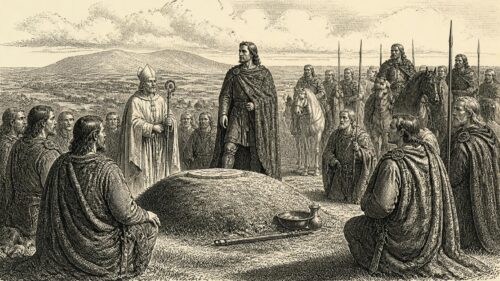
In 1455 Henry O’Neill was inaugurated at Tullyhogue as king over Ulster, backed by allied lords and Armagh’s ecclesiastical leader, although his father remained alive and dynastic conflict persisted. Elsewhere, Philip Maguire’s forces raided east Breifne, burning settlements, killing rivals and capturing a crannog, demonstrating mobile lordly warfare. Annals also recorded deaths among ruling, clerical and learned families, revealing networks of status, hospitality and service. At Navan, Abbot John Bole granted a Pentecost indulgence supporting religious observance and monastic repair. In Connacht, a lord was killed by his own men. These events illustrate Ireland’s multiple, localised and precarious political worlds.
Read Article
Archived: 20 October 2026
Abstract
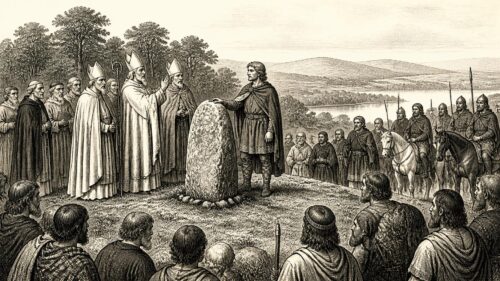
In 1432, Domhnall Bog Ó Néill was killed in Ó Catháin territory, enabling his rival Eóghan, son of Niall Óg, to be inaugurated king of Tír Eóghain at Tullaghoge with clerical and learned support. Eóghan’s alliance with Sligo provoked conflict with Niall Garbh Ó Domhnaill of Tír Conaill, bringing armed diplomacy, Erne crossings, prolonged campaigning, burned settlements and crops. Raids exposed Armagh’s vulnerability, while bishops and learned families remained centres of hospitality, law and memory. Elsewhere, Ormond attacked Éile and Mac Murchadha challenged English power in Leinster. The year revealed fragmented authority, shifting alliances, and legitimacy unable to secure peace.
Read Article
Archived: 26 September 2026
Abstract
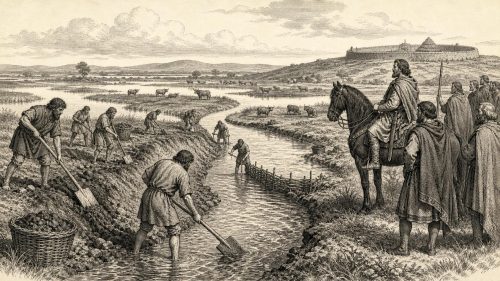
In 1139, Ireland remained politically fragmented, with Tairdelbach Ua Conchobair’s high-kingship dependent on force, alliances and hostages. He demonstrated authority by diverting the River Suck through marshes, strengthening Connacht’s eastern frontier, and by blinding a rival. Across Ireland, dynastic feuds brought killings, church burnings, plundering and violated sanctuary, while Munster’s Uí Briain exploited Cormac Mac Carthaig’s recent death. Church leaders negotiated peace between Munster and Leinster, and Malachy began his journey towards Rome, linking reformers with continental Christianity. Dublin’s religious life developed, poets and clerics died, and ordinary people directly bore warfare, tribute and labour demands during the troubled year.
Read Article

Archived: 26 September 2026
Abstract
1083 saw political change and violence across Ireland, chiefly in the north. Domnall Ua Lochlainn became king of Cenél Eógain, beginning a long career, and reinforced his position through a cattle raid into Conaille Muirtheimhne, rewarding allies from its proceeds. Áed Ua Maíl Shechnaill and several regional rulers, heirs and churchmen died or were killed, revealing fragile dynastic authority. Tairdelbach Ua Briain remained the dominant southern king, although no campaign is securely dated. Ecclesiastical obituaries highlighted churches’ learned and economic roles. Dublin’s connected bishopric contrasted with saint-centred institutions. Rural pastoral obligations coexisted with trading towns. Later annalistic claims require caution.
Read Article

Archived: 26 September 2026
Abstract
In 1078, northern Ireland experienced interconnected but largely local political upheavals. Conchobar Ua Briain, a Munster prince ruling at Telach Óc, was treacherously killed with his wife, weakening Uí Briain influence in Cenél nÉogain. Airgialla's overking Lethlobar Ua Laidcnén also died violently, while conflicts involved Fernmag, Uí Chremthainn, Conaille, Uí Méith and other northern groups. Donn Sléibe Ua hEochada was deposed in Ulaid and sought Tairdelbach Ua Briain's protection. Tairdelbach's wide but limited supremacy rested on alliances, hostages and dependants. Ecclesiastical deaths and evidence of farming, trade and recent scarcity reveal the social foundations beneath dynastic violence and political rivalry.
Read Article

Archived: 26 September 2026
Abstract
In 1068, Irish annals portray Tairdelbach Ua Briain’s growing ascendancy amid fragmented regional kingship. His rival cousin Murchad Ua Briain was killed during a raid in Tethba, strengthening Tairdelbach’s control of Munster. An ordinance credited to him promised security sufficient for livestock to remain unprotected at night. Visiting Leinster, he acquired Brian Bóruma’s sword and a Saxon royal standard from Diarmait mac Maíl na mBó, reflecting dynastic and Irish Sea politics linked to English exiles. Northern rulers died violently, while Armagh’s successor successfully visited Munster. Church deaths, Clonfert’s disruption, trade, farming and manuscript culture reveal political, ecclesiastical and maritime networks.
Read Article

Archived: 26 September 2026
Abstract
In 1064, annalists recorded a redistribution of power in Ireland. Donnchad mac Briain, son of Brian Bóruma, was deposed from Munster, travelled penitentially to Rome and died there. His nephew Toirdelbach Ua Briain, backed by foster-father Diarmait mac Máel na mBó of Leinster, secured kingship through campaigns, hostage-taking and cattle raids against southern rivals. Diarmait’s authority embraced Dublin and Irish Sea connections following Echmarcach mac Ragnaill’s death. Northern dynastic deaths affected Telach Óc and Ailech, while Armagh lost its successor of Patrick, Dub dá Leithe. Clerical and scholarly deaths underline the year’s cultural change, while warfare inflicted hardship without unity.
Read Article

Archived: 26 September 2026
Abstract
In 1051 Ireland remained politically fragmented, with regional kings dependent on kinship, warfare, tribute and control of inauguration sites. Áed Ua Conchobair expanded Connacht power by blinding a rival, defeating opponents, resisting Donnchad mac Briain and felling the Dál Cais inauguration tree at Mag Adhair. Munster, the Déisi, Uí Failge and Tulach Óg saw killings, expulsions and disputed succession. Raids demonstrated cattle’s economic and political value, while churches mediated aftermaths of violence. Laidcnén Ua Leocháin and his wife undertook pilgrimage to Rome, dying abroad. Ireland also sheltered Harold Godwinson, demonstrating aristocratic Christianity, maritime connections and involvement in Irish Sea politics.
Read Article
Archived: 13 October 2026
Abstract
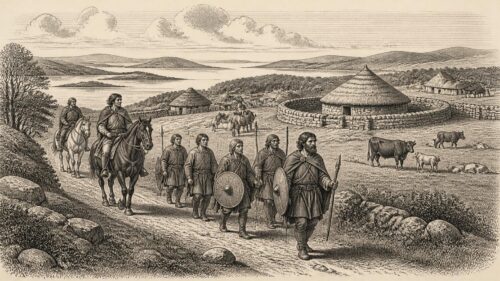
Annals for 707 record political, ecclesiastical and environmental developments in a divided, rural Ireland. Indrechtach mac Dúnchado, overking of Connacht, was killed by northern Uí Néill leaders and allies, demonstrating continuing rivalry without proving conquest. Congal Cennmagair, king of Tara, led a host against Leinster, though no outcome is known. Dúnchad became superior of Iona, reinforcing the monastery’s Irish Sea importance, while Bishop Coibdenach of Ardstraw died and Béc of Bairche undertook religious pilgrimage. Two northern tremors occurred in December. These sparse notices illuminate interconnected kingship, church networks, mobility and agrarian society, while leaving everyday conditions largely unrecorded to historians.
Read Article




