

Colhoun’s Fermanagh Roadcut
Archived: 1 October 2026
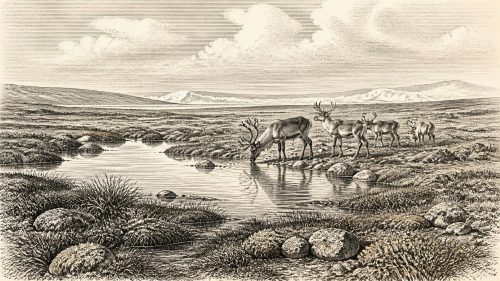
30,416 BCE is a modern label within an uncertain Late Pleistocene timespan, not a recoverable Irish year. At Derryvree, Fermanagh, freshwater organic sediments between glacial tills record an ice-free or ice-marginal interval, with cold, treeless wetlands, sparse willow and juniper, insects, mosses and aquatic plants. Ireland then experienced unstable pre-maximum glaciation, changing coastlines and difficult routes. Castlepook Cave’s mammoth, reindeer and hyaena remains show that cold-stage mammals reached Ireland, though not necessarily together. A possibly cut-marked reindeer bone suggests brief human visitation around 33,000 years ago, but cannot prove settlement. Evidence depicts an intermittently habitable, later-glaciated landscape marked by uncertainty.