

Derryvree’s Menyanthes Seed
Archived: 14 September 2026
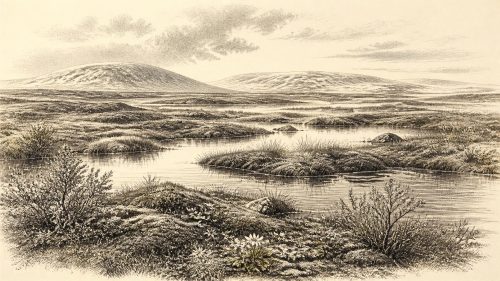
Around 31,754 BCE, Ireland cannot be described through annual events, but Derryvree, County Fermanagh, preserves an environmental horizon from later Marine Isotope Stage 3. Freshwater silts, radiocarbon-dated broadly to 36,900–31,700 years BP, lay between glacial tills, indicating a cold, locally ice-free wetland between ice advances. Mosses, sedges, dwarf willow, mountain avens and bogbean, alongside northern insects, show treeless tundra-like conditions. Cave remains demonstrate intermittent Late Pleistocene mammals, including reindeer, mammoth and hyaena, without proving local coexistence. No secure evidence places humans in Ireland then. Shifting ice, coastlines and climate created varied landscapes, then sealed beneath glacial deposits in subsequent millennia.