Guerin, Divorce and TnaG
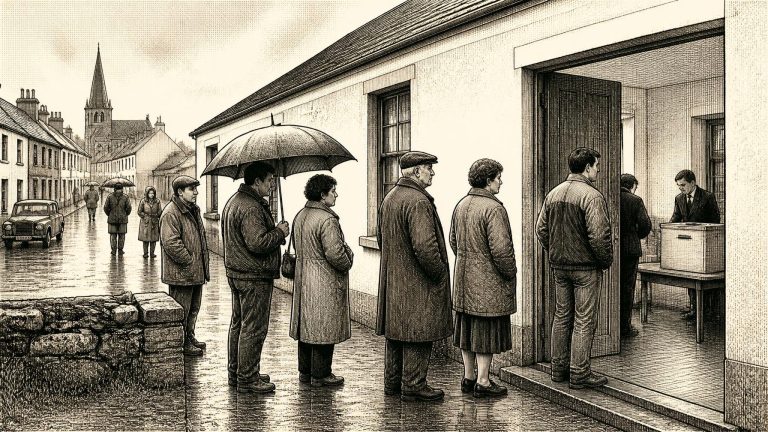
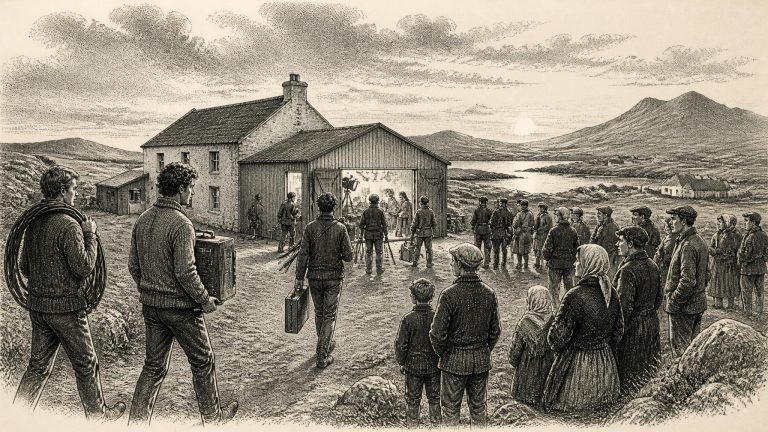
In 1996 the Republic of Ireland was governed by John Bruton’s Fine Gael–Labour–Democratic Left coalition, while the Northern Ireland peace process remained the overriding question in relations with Britain and on the island itself. The year brought strikingly opposed impressions of national life. Economic indicators and international standing suggested a country gaining confidence; the census counted a population beginning to rise again after decades in which emigration had shaped families and localities. Yet violence connected to the conflict returned dramatically, organised crime was exposed as a public menace, and the murder of a journalist revealed how dangerous that menace could be. At the same time, divorce law and a new Irish-language television service marked conspicuous changes in social and cultural life.