Archived: 17 October 2026
Abstract
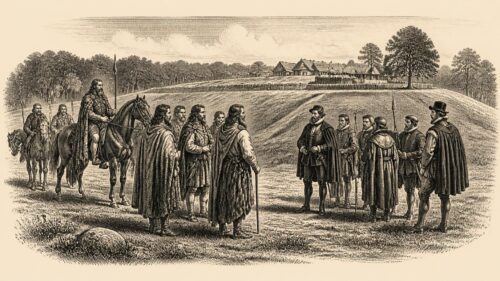
In 1578 Tudor efforts to impose plantation, taxation, courts and provincial authority provoked continuing conflict across Ireland. At Mullaghmast, Francis Cosby allegedly murdered about seventy unarmed O’Mores, deepening resistance to the Laois plantation. Rory Óg O’More raided neighbouring districts before crown-aligned forces killed him in summer; his displayed head symbolised coercion, not pacification. Fiach MacHugh O’Byrne made precarious submissions while surviving attempted ambushes. Lord Justice William Drury combined bargains, judicial tours and religious pressure, securing temporary agreements with Desmond and other lords. Conflict also touched Connacht, while learned Gaelic households endured and Smerwick Harbour received a wrecked Frobisher expedition vessel.
Read Article
Archived: 17 October 2026
Abstract
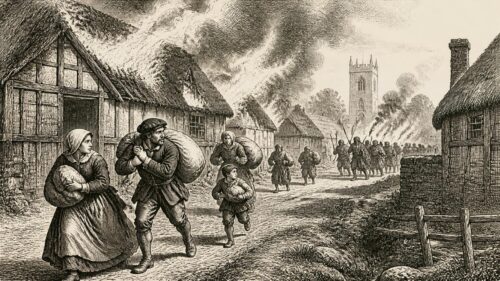
In 1577, Tudor authority in Ireland expanded through garrisons, agreements and coercion, yet faced resistance and disputes over the burdensome cess imposed on the Pale. In Leinster, Rory Óg O’More opposed plantation in Laois after Crown forces received authority to wage destructive war. His followers burned Naas in May and later captured Crown officers, while reprisals intensified. A recorded killing at Mullaghmast exposed mistrust, although claims of a larger massacre remain chronologically uncertain. Elsewhere, officials strengthened control in Thomond and negotiated revenue with Brian O’Rourke. Catholic resistance, overseas plans, religious division and comet marked continuing Leinster conflict at year's end.
Read Article

Archived: 17 October 2026
Abstract
In 1571, Ireland’s political fractures were made visible in a market town before dawn, in a battered Munster fortress, in disputed lordships across Connacht, and on a Dublin press producing a small book in Irish type. The year did not bring a single nationwide turning point. Rather, it exposed the limits of Elizabeth I’s government: it could appoint presidents, grant vast prospective colonies and commission religious reform, yet its authority beyond the Pale and selected towns depended on alliances, military supply, local knowledge and the uncertain obedience of magnates. Dating a Town’s Disaster The sack of Kilmallock is the best-known
Read Article
Archived: 17 October 2026
Abstract
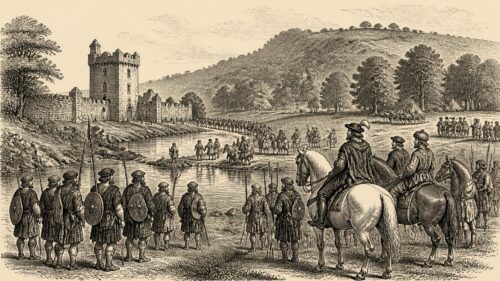
In 1570, Tudor efforts to extend authority in Ireland exposed the limits of provincial government. Sir Edward Fitton’s new Connacht presidency clashed with Conor O’Brien in Thomond, where negotiated submission followed resistance, and campaigned with Clanricarde against John Burke at Shrule. The battle involved English, Irish and Scottish troops, artillery and traditional forces; its outcome remained contested, though government troops held the field. Campaigns imposed demands through cess, supplies, hostages and destruction. In Munster, rebellion persisted despite expeditions and Desmond’s detention. Papal excommunication heightened international anxieties, yet allegiance remained shaped by kinship, territory, employment and rivalry as much as religion.
Read Article

