Ambition Rewarded(c.1770s)
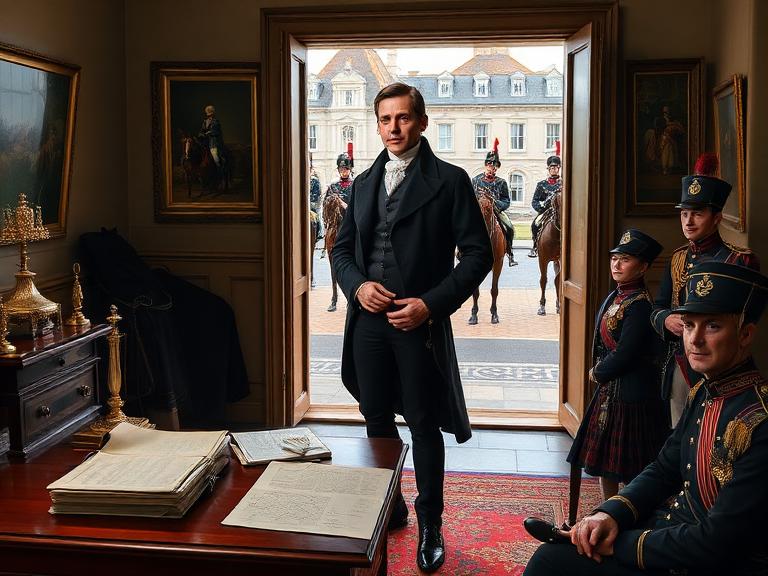
Edmond Henry Pery returned from a prolonged Grand Tour determined to convert education, family connection and social confidence into political influence. Travelling across continental Europe between approximately 1775 and 1779, he encountered courts, scholars, artists and aristocratic society, corresponding with figures including Sir William Hamilton at Naples and Frederick Hervey, Bishop of Derry. His notebooks recorded European constitutions, treaties, antiquities and works of art, giving the young Limerick heir the polish expected of an ambitious gentleman. When he returned to Ireland, he entered public life as a cosmopolitan aristocrat prepared to use family influence and government loyalty to advance himself.
Pery represented Limerick City in the Irish House of Commons and inherited the Glentworth barony from his father in 1794. That same year, he offered to raise a regiment of fencible cavalry for the government during a period of revolutionary anxiety and war with France. Although such corps were often presented as patriotic undertakings financed by wealthy commanders, official correspondence shows close attention to levy money, clothing allowances and the financial terms available to competing noblemen. Pery’s military offer therefore combined public service with calculation, allowing him to demonstrate loyalty while protecting his own interests and future expectations.
Commissioned colonel commandant of the 2nd Regiment of Fencible Cavalry in Ireland, Lord Glentworth oversaw men stationed at places including Bandon, Cork and Innishannon. The regiment later served during the rebellion of 1798, when cavalry detachments moved against insurgents and took part in operations near Goresbridge and Kilconnel Hill. The conflict sharpened divisions across Ireland and brought government forces, militia and yeomanry into violent confrontation with the United Irishmen. For Limerick families, such regiments represented both employment and coercion, drawing local men into a military system used to defend the established political and religious order.
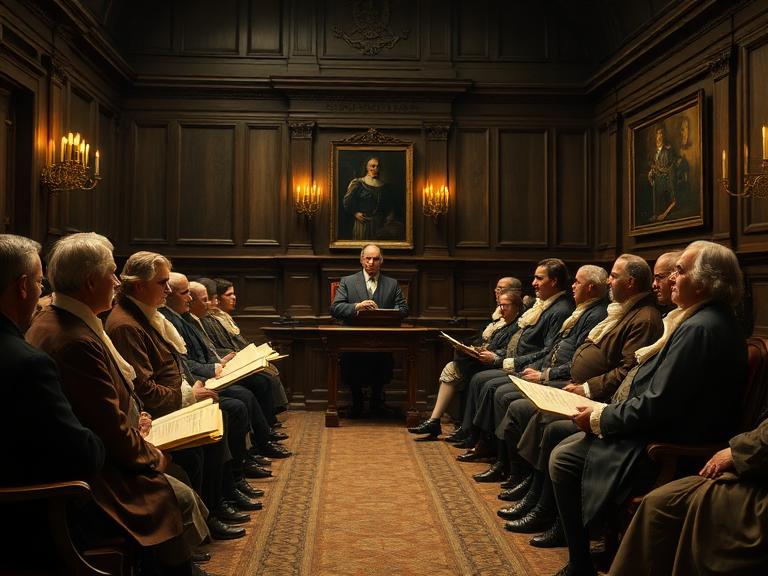
Pery’s loyalty brought tangible rewards. He received valuable offices connected with the Irish Court of Chancery, including the clerkships of the Crown and Hanaper, along with appointment as Keeper of the Signet and Privy Seal. These posts carried income and prestige while requiring varying degrees of actual labour. His support for the proposed legislative Union between Ireland and Great Britain further strengthened his standing with Dublin Castle. In Limerick, however, advancement based upon patronage and government favour could appear less admirable to those who regarded the Union as a surrender of Ireland’s parliament and a betrayal of local political independence.
After the Union passed, Pery was created Viscount Limerick in 1800 and Earl of Limerick in 1803. His rise from well-connected heir to cavalry commander, officeholder and peer demonstrated the rewards available to an ambitious aristocrat who aligned himself closely with government policy. The title preserved Limerick’s name at the highest level of the peerage, but it also linked the city with a politician whose support for the Union remained controversial. His career joined continental polish, military command, financial calculation and political loyalty, revealing how private ambition and public service often travelled together in late-eighteenth-century Ireland.
Primary Sources
- National Library of Ireland, The Limerick Papers, Collection List No. 121, introduction and papers of Edmond Henry Pery, second Lord Glentworth and first Earl of Limerick.
- National Library of Ireland, Manuscript 41,678/11 and Manuscript 41,680/2, correspondence, notebooks and papers from Pery’s Grand Tour, including material connected with Sir William Hamilton and Frederick Hervey.
- National Library of Ireland, Manuscript 41,680/5 and Manuscripts 16,074–16,081, commissions, order books, returns and correspondence relating to the 2nd Regiment of Fencible Cavalry and its service during the 1798 Rebellion.
- National Library of Ireland, Manuscript 41,680/6, royal patents appointing Lord Glentworth to the offices of Clerk of the Crown and Hanaper and Keeper of the Signet and Privy Seal.
- Irish parliamentary and peerage records concerning Pery’s support for the Union and his creations as Viscount Limerick in 1800 and Earl of Limerick in 1803.