
Hartstonge Legacy(c.1750s)
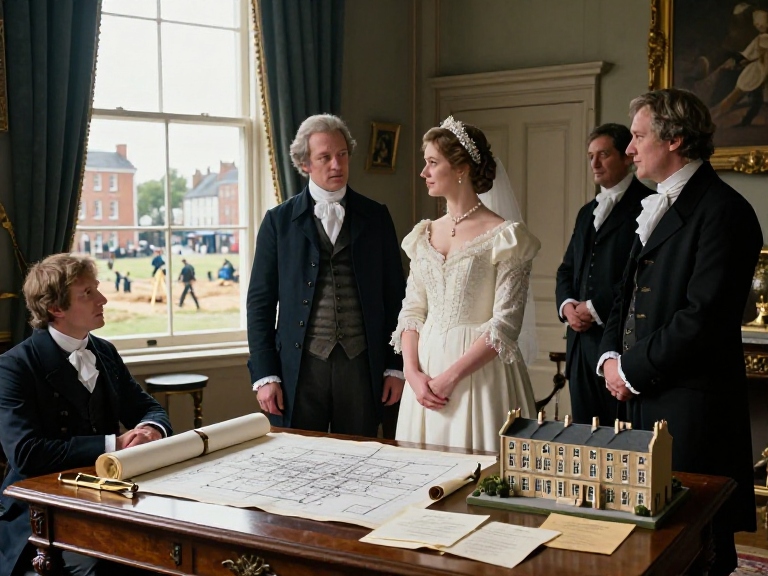
The Hartstonge and Pery families became closely bound through two marriages that brought together political influence, landed property and urban ambition in eighteenth-century Limerick. Sir Henry Hartstonge, third baronet of Bruff and Court, married Lucy Pery in 1751. She was the sister of Edmond Sexten Pery and the Reverend William Cecil Pery, whose parliamentary, ecclesiastical and property interests increasingly shaped the city. The marriage produced no children, but it placed Hartstonge firmly within the Pery family circle. He became both a political ally and a participant in the development of property connected with Newtown Pery.
A second connection followed when Sir Henry’s sister Mary married Henry Ormsby of Cloghan, County Mayo, in 1757. Their only daughter, Mary Alice Ormsby, later became heir to much of the Hartstonge property in counties Limerick and Tipperary. In 1783 she married Edmond Henry Pery, son and heir of William Cecil Pery and future second Lord Glentworth. Through this union, lands that might otherwise have passed away from the Pery interest returned through marriage into the same expanding family network. The arrangement strengthened a dynasty already enriched by the Sexten, Stacpole, Wray and Clayton inheritances.
When Sir Henry Hartstonge died in 1797, the baronetcy became extinct because he had no children. His niece Mary Alice appears to have succeeded to all or most of his estates, bringing substantial Munster property into her marriage with Edmond Henry Pery. Their eldest surviving son, born in 1789, was named Henry Hartstonge Pery, preserving the inherited family name within the next generation. In 1801, Lord Glentworth formally quartered the Hartstonge arms with those of the Pery family. Heraldry, naming and property inheritance were thus used together to demonstrate continuity between two landed houses whose fortunes had become inseparable.
Sir Henry’s relationship with the Perys was political as well as familial. He represented County Limerick in the Irish House of Commons from 1776 until 1790 and generally supported the influential Pery interest. In 1794, he stood unsuccessfully as the family’s candidate for Limerick City after Edmond Henry Pery inherited the Glentworth title and vacated his parliamentary seat. The contest showed how parliamentary representation, marriage and property operated together within elite politics. Family alliances could determine candidates, patronage and influence, while elections in Limerick reflected rivalries among organised interests rather than simple personal popularity.
Hartstonge also participated directly in the physical development of Limerick. Edmond Sexten Pery granted him a lease of property on Henry Street, where he developed part of the emerging Georgian district. He may also have been responsible for constructing the new Bishop’s Palace and the adjoining Pery residence, although the precise attribution remains uncertain. These paired buildings became prominent landmarks within Newtown Pery and embodied the alliance between the two families. Hartstonge Street later preserved the name within Limerick’s urban landscape, ensuring that the family’s political service, property inheritance and contribution to the Georgian city remained visible long after the estates had passed to the Perys.
Primary Sources
- National Library of Ireland, The Limerick Papers, Collection List No. 121, account of the Hartstonge family, its marriages with the Perys, estate succession and involvement in Newtown Pery.
- National Library of Ireland, Manuscript 41,676, Hartstonge family papers concerning the estates at Bruff, Court and elsewhere in counties Limerick and Tipperary.
- National Library of Ireland, Genealogical Office Manuscript 105, page 11, recording Edmond Henry Pery’s quartering of the Hartstonge arms with those of the Pery family in 1801.
- Irish House of Commons records concerning Sir Henry Hartstonge’s representation of County Limerick from 1776 to 1790 and the Limerick City by-election of 1794.
- National Inventory of Architectural Heritage and Limerick property records concerning the Bishop’s Palace, adjoining Pery residence and Georgian development of Henry Street.