Civic Defiance(c.1590s)
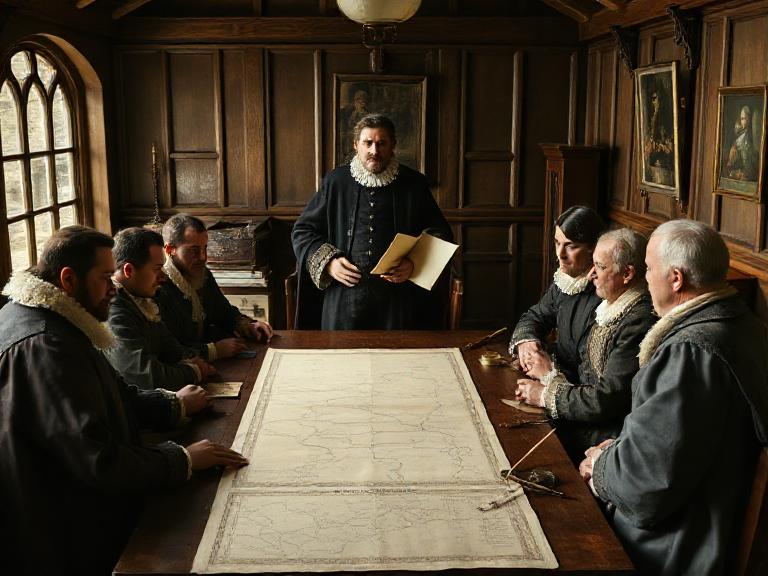
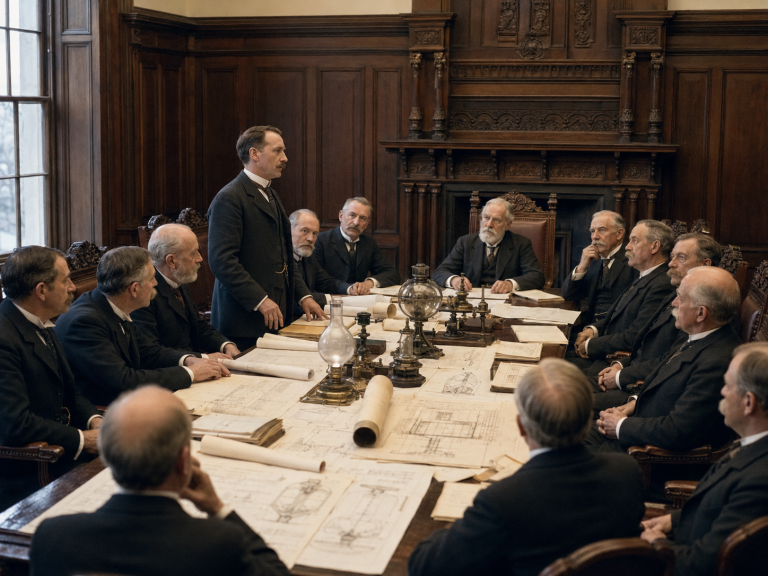
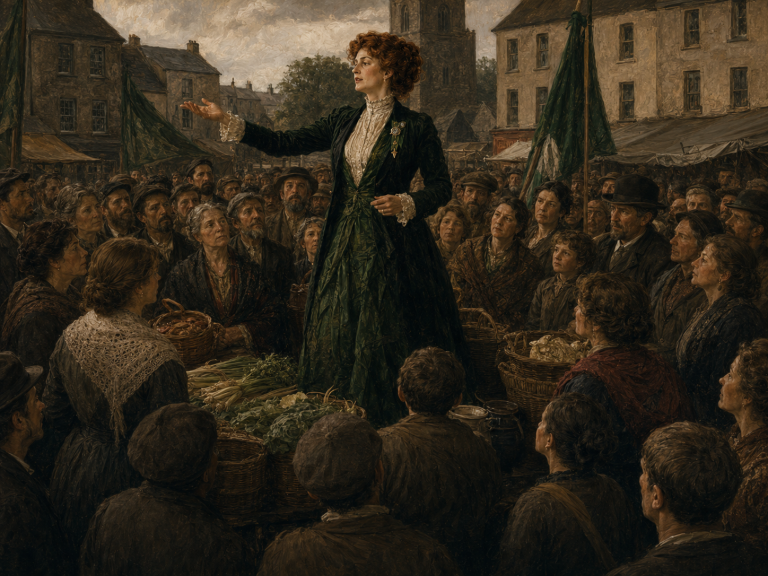
Edmond Sexten inherited his family’s extensive Limerick property around 1594 and became one of the most powerful, persistent and controversial figures in the city’s early seventeenth-century government. A grandson and namesake of the Tudor mayor who had acquired the former lands of St Francis’s and St Mary’s religious houses, Sexten served as an alderman, held the mayoralty several times and repeatedly occupied the office of high sheriff. His municipal service did not produce harmony with Limerick Corporation. Instead, much of his adult life was consumed by arguments over whether his inherited lands stood inside or beyond the authority of the city’s mayor and council.
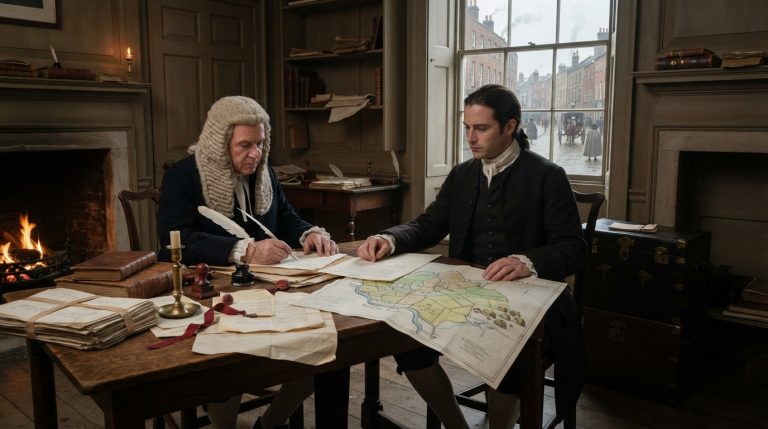
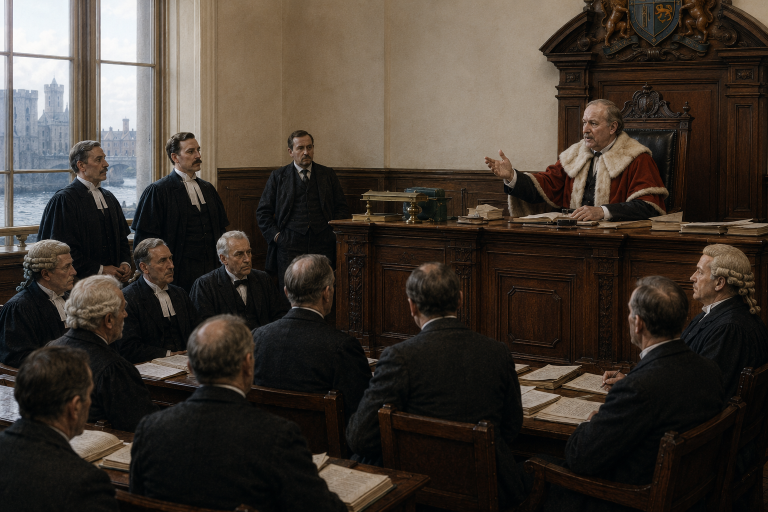
The principal dispute concerned the former estates of the two dissolved religious houses. Sexten insisted that the privileges attached to those properties protected them from ordinary municipal jurisdiction, while the corporation resisted the existence of a powerful private estate possessing exemptions within and around Limerick. The contest was conducted through petitions and counter-petitions rather than open violence. Sexten appealed to the Lord President and Council of Munster and, when necessary, to the lord deputy and Privy Council of Ireland. His opponents answered through the same administrative channels, carrying a local struggle over property, taxation and authority into the highest levels of Irish government.
A royal patent issued in 1609 strengthened Sexten’s position by confirming the grants Henry VIII had made to his grandfather. The document renewed the family’s legal claim to the former Franciscan and St Mary’s properties and gave Sexten a formidable instrument in his dealings with the corporation. Yet confirmation from the Crown did not settle how the inherited privileges should operate within a changing city. Limerick’s civic leaders had responsibilities for order, taxation and urban administration, while Sexten claimed rights rooted in the former authority of religious superiors. The resulting conflict exposed the uncertain boundary between medieval privilege, Tudor confiscation and municipal government.
Sexten also claimed two votes in elections for Limerick’s mayor and common councillors because he considered himself the legal successor to the prior of St Mary’s. The demand was politically significant, since it could give one landholder influence beyond that of an ordinary freeman or alderman. His argument treated the civic privileges of a dissolved religious office as inheritable property, while opponents feared that the arrangement would distort municipal elections. The controversy revealed how the Reformation continued to shape Limerick long after the friars had departed. Former monastic rights had become weapons in struggles among merchants, officeholders, landowners and competing centres of authority.
A further disagreement arose in 1615 over responsibility for maintaining the church of St John the Baptist, whose tithes had belonged to St Mary’s. The corporation and parish faced the practical question of whether Sexten, as holder of the appropriated revenues, should bear the cost alone or whether the wider parish remained responsible. What appeared to be a dispute over repairs therefore touched upon worship, property income and public obligation. Sexten’s prolonged battles left an enduring documentary record of early modern Limerick, showing a city negotiating the consequences of religious dissolution while powerful families defended privileges that would later pass through inheritance into the Pery estate.
Primary Sources
- National Library of Ireland, The Limerick Papers, Collection List No. 121, introduction and family history concerning Edmond Sexten the younger, the former monastic estates and his disputes with Limerick Corporation.
- National Library of Ireland, Manuscripts 41,677/1–5, petitions and counter-petitions concerning Edmond Sexten’s disputes with the mayor and corporation of Limerick.
- National Library of Ireland, Manuscript 41,679/1, royal patent of 1609 confirming the earlier grants of the former properties of St Francis’s and St Mary’s to the Sexten family.
- University of Limerick, Special Collections and Archives, Pery Family Archive, IE 2135 P51/1/1, transcripts of letters and petitions by Edmond Sexten the elder and Edmond Sexten the younger.
- Limerick civic and parish records concerning the mayoralty, common council elections and the 1615 dispute over responsibility for maintaining the church of St John the Baptist.