Irish Volunteers Reviewed
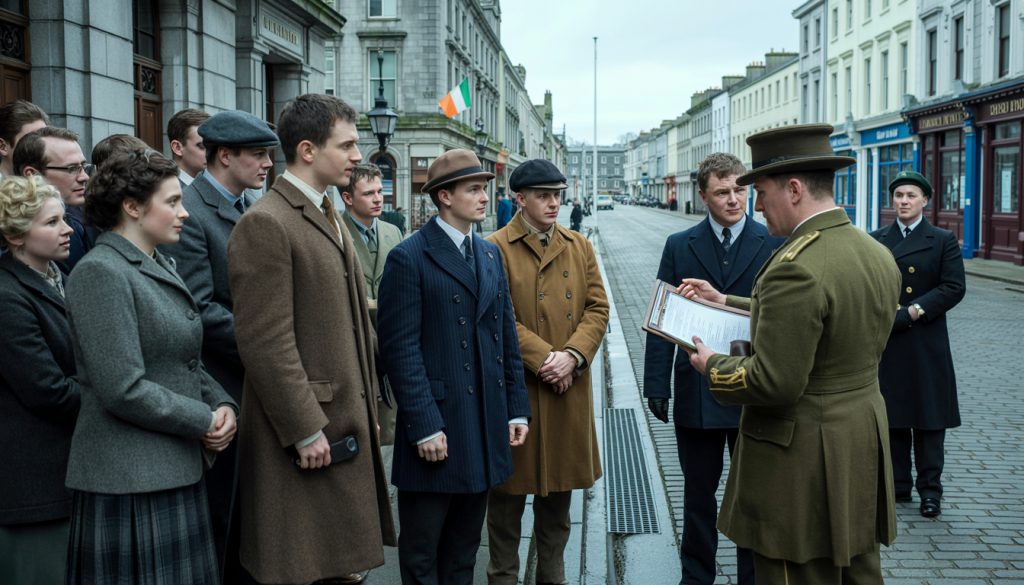
On 5 February 1900, the recruitment and service of Irish volunteers fighting in the South African War (Second Boer War) became the subject of formal examination in the British Parliament. This development was closely followed in Limerick, where families, civic leaders, and military organisations had a keen interest in the fate and recognition of local men serving abroad. The war, which began in 1899, saw Irish soldiers enlist both in regular regiments and as volunteers, with Limerick contributing its share to the Imperial forces.
Parliamentary debate focused on the conditions of recruitment, the treatment and pay of Irish volunteers, and the recognition of their service in the conflict. Members questioned the adequacy of support for families left behind and sought assurances about the welfare of Irish troops on the front lines. The Secretary for War outlined the numbers of Irish men recruited, their roles in various campaigns, and efforts to provide for their needs both at home and abroad.
In Limerick, news of the parliamentary examination was reported in local newspapers and discussed at town meetings and veteran societies. Families with sons or brothers serving in South Africa anxiously awaited updates and often organised collections to support the troops. Letters to editors and public gatherings reflected both pride in Irish participation and concern for the safety and fair treatment of volunteers.
The issue also sparked debate about Ireland’s relationship with the British Empire, with nationalist and unionist groups offering differing perspectives on the meaning and consequences of Irish involvement in the war. Some civic leaders highlighted the bravery and professionalism of local soldiers, while others called for greater recognition and improved conditions for those serving overseas. The experience of Irish volunteers became part of the broader conversation about identity, duty, and the place of Ireland in imperial affairs.
The parliamentary review of Irish volunteers in the South African War underscored the human cost and complexity of the conflict. In Limerick, it served as a reminder of the sacrifices made by local families and the importance of public support for those serving far from home. The episode contributed to ongoing debates about military recruitment, patriotism, and the responsibilities of government to its citizens.
- UK Parliament, Hansard, HC Deb 5 February 1900, vol 78, cc1355-6, “South African War—Irish Volunteers.”
- Freeman’s Journal (Dublin), 6 February 1900, coverage of parliamentary debate on Irish volunteers.
- Irish Times, 6 February 1900, reports on recruitment, service conditions, and public reaction.
- Limerick Leader, February 1900, local accounts and correspondence regarding Limerick volunteers.