Sanitary Works Examined
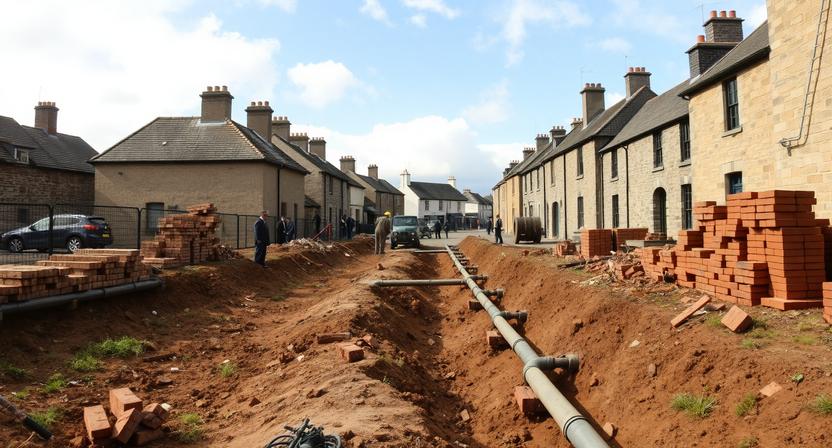
On 12 February 1900, Parliament examined the financing and construction of public sanitary works in Ireland, highlighting the urgent need for improved health infrastructure across both urban and rural communities. Irish MPs argued that inadequate water supply, sewage disposal, and drainage contributed to outbreaks of disease and poor living conditions. They called for increased government funding, streamlined approval processes, and technical support for local authorities tasked with building modern sanitary systems.
The debate opened with a review of recent public health crises, including reports of typhoid and cholera in several Irish towns. MPs presented evidence linking these outbreaks to outdated or nonexistent sanitary works, urging Parliament to prioritise investment in clean water and effective sewage management. Nationalists emphasised the disparity between Irish and British levels of public health spending, contending that Ireland was neglected in national infrastructure budgets.
Attention then turned to the technical and financial challenges facing local councils. Many authorities struggled to secure loans, navigate complex regulations, and employ skilled engineers required for large-scale projects. MPs called for simplified funding mechanisms and central government assistance to ensure timely completion of sanitary works. Proposals included grants, lower-interest loans, and the appointment of expert advisers to guide councils through construction and maintenance.
Government officials responded by outlining ongoing efforts to support sanitary improvements. They described existing grant schemes, technical assistance programmes, and legislative measures aimed at empowering councils. Ministers acknowledged the need for further reform and pledged to work with Irish representatives to address bottlenecks and increase funding. Promises were made to review existing policies and accelerate approvals for urgent projects.
Public reaction in Ireland was strong, with newspapers, civic groups, and medical societies welcoming the debate. Editorials urged swift action, sharing stories of communities affected by poor sanitation and preventable disease. Ratepayer meetings in towns and villages called for greater transparency and accountability in the use of funds. The push for improved sanitary works became a rallying point for broader demands for public health reform and local government empowerment.
- UK Parliament, Hansard, HC Deb 12 February 1900, “Sanitary Works in Ireland.”
- Freeman’s Journal (Dublin), 13 February 1900, coverage of parliamentary debate and public health reports.
- Irish Times, 13 February 1900, analysis of infrastructure spending and technical challenges.
- Local council records and medical society statements, February 1900, petitions and proposals.
