Thomas Addis Emmet
Thomas Addis Emmet was born in Ireland on 24 April 1764. He was the son of Robert Emmet, physician to the Lord-Lieutenant of Ireland. He studied at Trinity College, Dublin, and at the University of Edinburgh, where he graduated in medicine. After the death of an elder brother who had been a barrister, he turned to law and read at London’s Temple Inn. Emmet was called to the Bar in Ireland in Michaelmas Term 1790. As a barrister, he principally represented prisoners charged with political offences. In the early 1790s he became legal adviser to the Society of United Irishmen, and in 1795 he took the society’s oath in open court.
Dateline
Thomas Addis Emmet was born in Ireland on 24 April 1764. He was the son of Robert Emmet, physician to the Lord-Lieutenant of Ireland. He studied at Trinity College, Dublin, and at the University of Edinburgh, where he graduated in medicine. After the death of an elder brother who had been a barrister, he turned to law and read at London’s Temple Inn.
Irish Practice
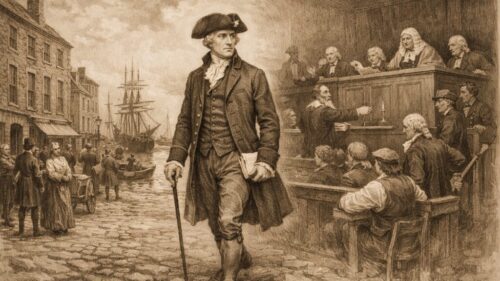
Emmet was called to the Bar in Ireland in Michaelmas Term 1790. As a barrister, he principally represented prisoners charged with political offences. In the early 1790s he became legal adviser to the Society of United Irishmen, and in 1795 he took the society’s oath in open court. Before the planned rising of 1796, he was arrested on charges of treason and conspiracy and spent years in prison.
American Career
He was released in 1802 on condition of permanent exile, then moved to France and later emigrated to the United States in 1803 after learning of Robert Emmet’s execution. His application to the New York bar was opposed by leading Federalists, but he was admitted to practice in February Term 1805. In 1812 he served as Attorney General of New York, and he later argued many cases in the Supreme Court of the United States.
Later Years
A New York courthouse source describes him as a strong abolitionist. It says that he represented a fugitive slave in an early New York matter, won an important case for the New York Manumission Society in 1805, and represented the Society of Friends without fee during his years in New York. He died on 14 November 1827 while arguing the Snug Harbor case in the New York Circuit Court.
Source References
Hover over a number to see the source. Select it to open the source.