Margaret Skinnider
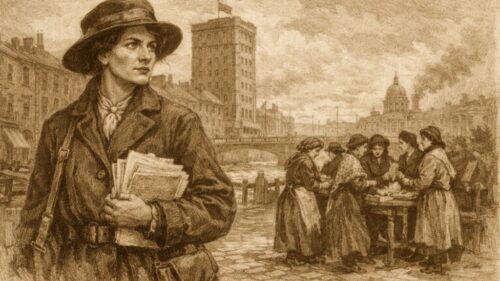
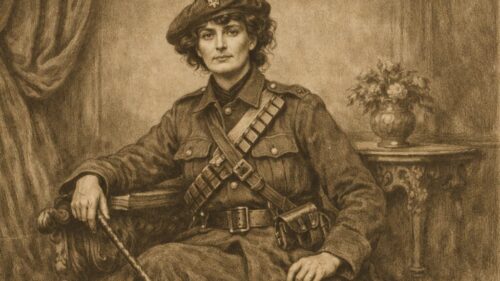
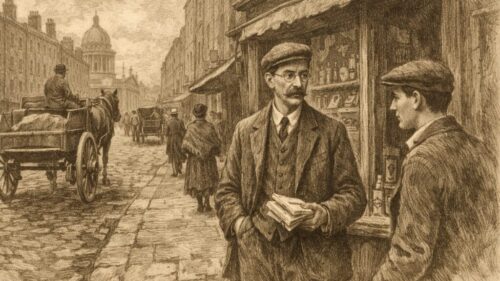
Margaret Skinnider was born in Scotland of Irish parents and is described in later accounts as having been born in 1892. She was associated with Glasgow as a militant suffragette and later became a combatant in the 1916 Easter Rising. One biography describes her as a feminist, Irish revolutionary, trade unionist, political activist and teacher. Accounts say she had family from Emyvale in County Monaghan, and that she became part of the local branch of Cumann na mBan. She also learned to shoot in Scotland. A contemporary account of her own remembered journey to Ireland refers to detonators and wires carried under her coat.
Dateline
Margaret Skinnider was born in Scotland of Irish parents and is described in later accounts as having been born in 1892. She was associated with Glasgow as a militant suffragette and later became a combatant in the 1916 Easter Rising. One biography describes her as a feminist, Irish revolutionary, trade unionist, political activist and teacher.
Glasgow Years
Accounts say she had family from Emyvale in County Monaghan, and that she became part of the local branch of Cumann na mBan. She also learned to shoot in Scotland. A contemporary account of her own remembered journey to Ireland refers to detonators and wires carried under her coat.
Rising Service
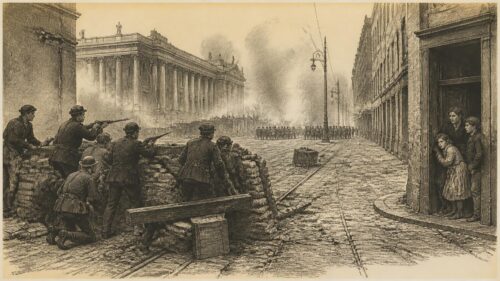
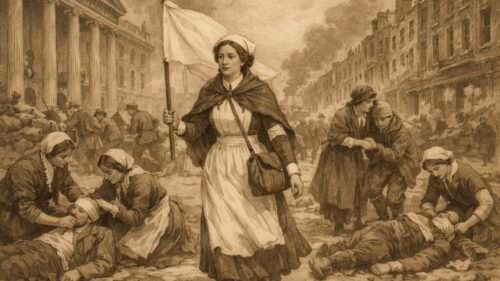
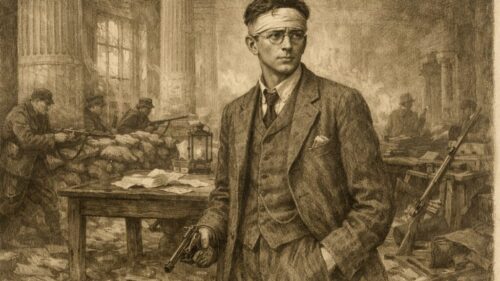
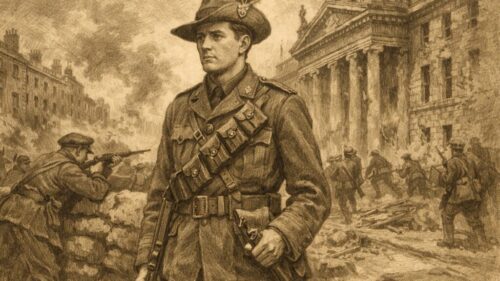
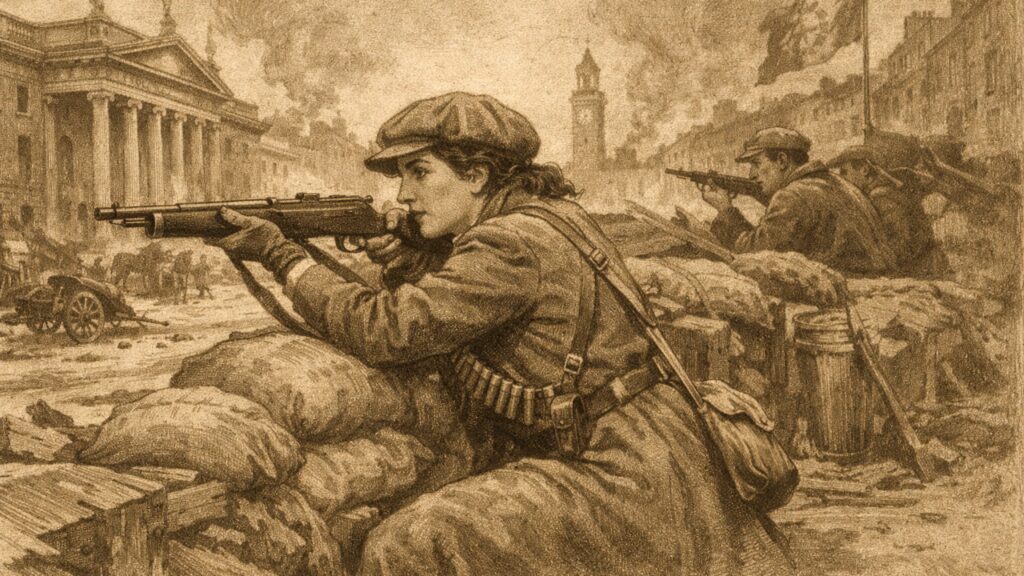
During Easter week she began in Rathmines at Constance Markievicz’s lodgings before moving to the frontline. Around 2 a.m. on the Thursday morning she was shot three times while attempting to burn down properties on Harcourt Street. She was treated at the Royal College of Surgeons and then St Vincent’s Hospital, and was later arrested and taken to Bridewell Police Station. She is described as the only woman wounded in the conflict.
Later Life
After the Civil War she took part in a hunger strike in Mountjoy in February 1923 in opposition to the Treaty. She later returned to teaching and became a moving spirit in the Irish National Teachers’ Organisation, working for wage parity for female teachers. She died at 79 and was buried in the republican plot at Glasnevin cemetery in 1971.
Source References
Hover over a number to see the source. Select it to open the source.