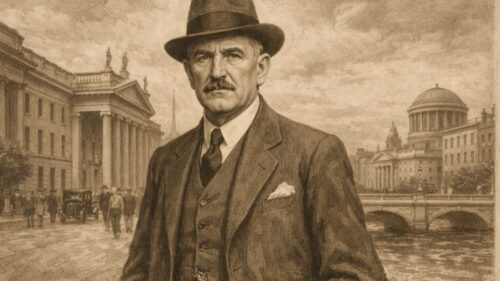
Willie Pearse
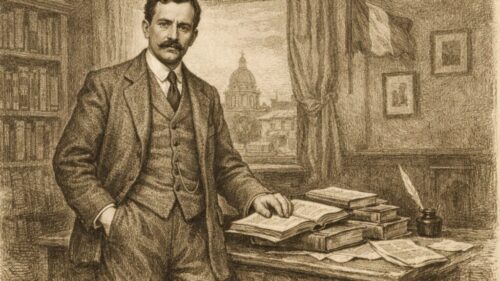
William, known as Willie, Pearse was born at 27 Great Brunswick Street in Dublin and was the only brother of Patrick Pearse. He was educated at the Christian Brothers’ secondary school in Westland Row and later studied sculpture and drawing at the Metropolitan School of Art in Kildare Street. He joined the Gaelic League and learned Irish well enough to give classes to some fellow art students. Pearse exhibited work at the Royal Hibernian Academy and the Oireachtas exhibitions between 1906 and 1913, and he also showed work at the Irish International Exhibition in 1907.
Dateline
William, known as Willie, Pearse was born at 27 Great Brunswick Street in Dublin and was the only brother of Patrick Pearse. He was educated at the Christian Brothers’ secondary school in Westland Row and later studied sculpture and drawing at the Metropolitan School of Art in Kildare Street. He joined the Gaelic League and learned Irish well enough to give classes to some fellow art students.
Artistic Work
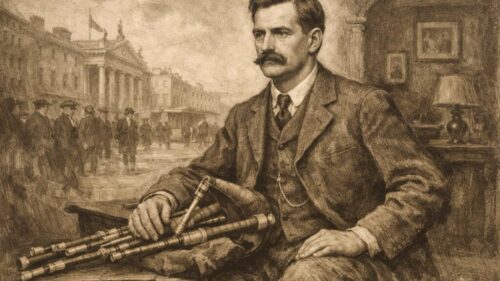
Pearse exhibited work at the Royal Hibernian Academy and the Oireachtas exhibitions between 1906 and 1913, and he also showed work at the Irish International Exhibition in 1907. He helped establish the Leinster Stage Society with his sister Mary Brigid and took part in productions connected with Saint Enda’s and the Abbey Theatre.
Volunteer Service
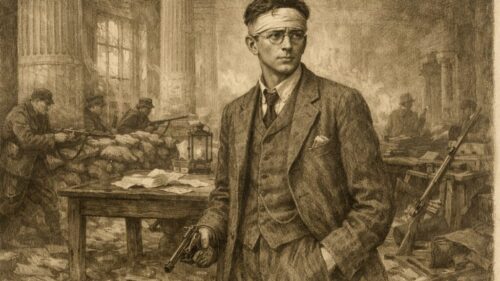
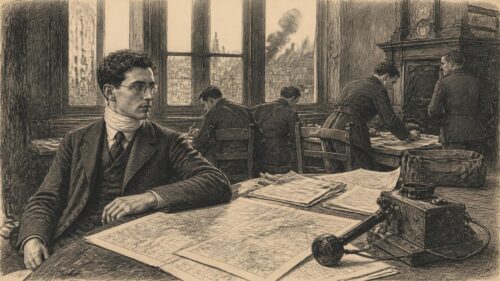
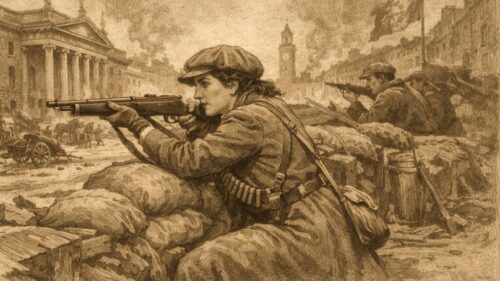
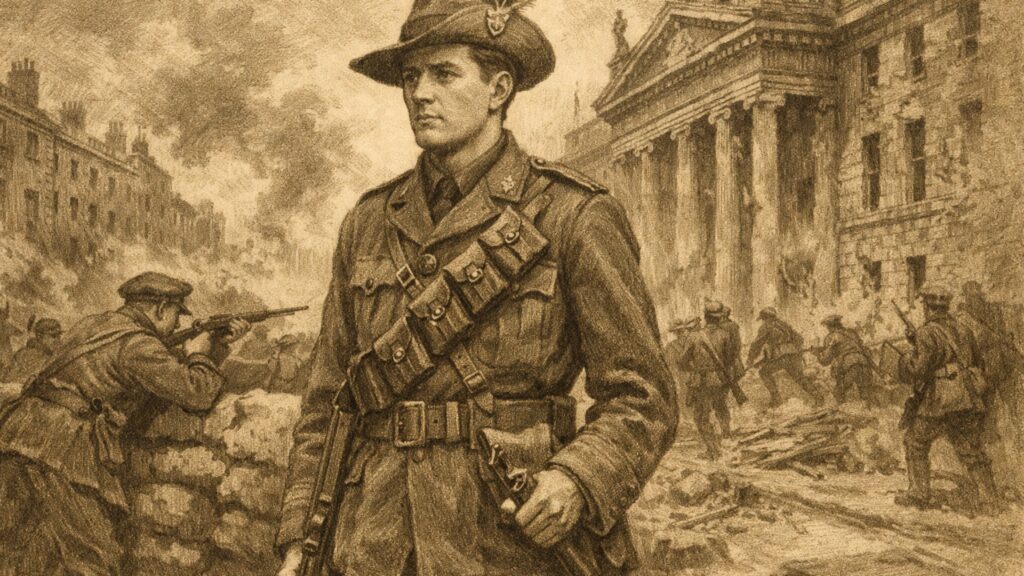
He joined the Irish Volunteers in November 1913 and was promoted to captain by the end of 1915. By then he had also been sworn into the Irish Republican Brotherhood. When Patrick Pearse became more involved in the Irish Republican Brotherhood, Willie took over the day-to-day routine at Saint Enda’s. He was beside his brother when Patrick read out the Declaration of Independence, and he held the rank of captain at the GPO.
Rising End
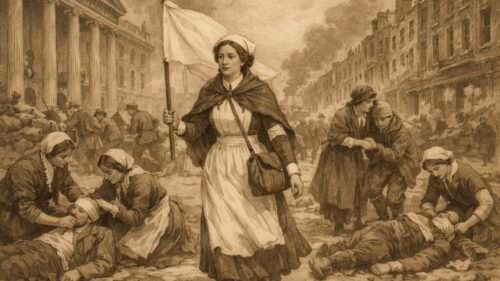
During the Rising, Pearse was among the Moore Street group that surrendered on the Saturday afternoon and carried the white flag on the way to the surrender point near the Parnell Monument. He was one of the last people to leave the GPO before evacuation. At his court-martial he pleaded guilty. He was executed on 4 May 1916 and is buried at Arbour Hill Cemetery. In Parliament that month, the Prime Minister said that ample evidence of his guilt had been produced before the court-martial.
Source References
Hover over a number to see the source. Select it to open the source.