Terence MacSwiney
Terence MacSwiney was born in Cork in 1879. He developed interests in Irish history, culture, and language, and these interests led him to become a writer. In 1901 he was a founding member of the Celtic Literary Society. In 1908 he co-founded the Cork Dramatic Society with Daniel Corkery, and that society produced many of his plays. He also published poetry and essays. MacSwiney was a founding member of the Cork Branch of the Irish Volunteers and stayed with its separatist wing when it split in 1914. He became second in command of the Cork No 1 Brigade.
Dateline
Terence MacSwiney was born in Cork in 1879. He developed interests in Irish history, culture, and language, and these interests led him to become a writer.
Literary Work
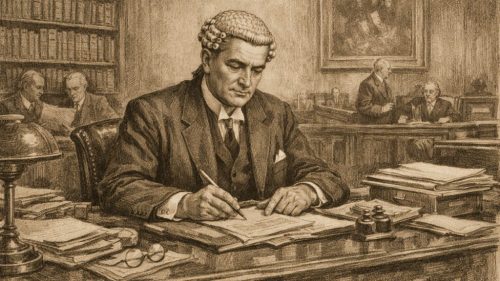
In 1901 he was a founding member of the Celtic Literary Society. In 1908 he co-founded the Cork Dramatic Society with Daniel Corkery, and that society produced many of his plays. He also published poetry and essays.
Republican Service
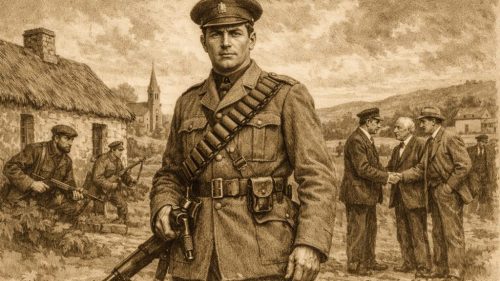
MacSwiney was a founding member of the Cork Branch of the Irish Volunteers and stayed with its separatist wing when it split in 1914. He became second in command of the Cork No 1 Brigade. The brigade obeyed Eoin McNeill’s orders to stand down on the eve of the 1916 Rising, and he remained troubled by that event. He served time in several UK prisons in 1916 and 1917, and he married Muriel Murphy while interned in Bromyard.
Lord Mayor
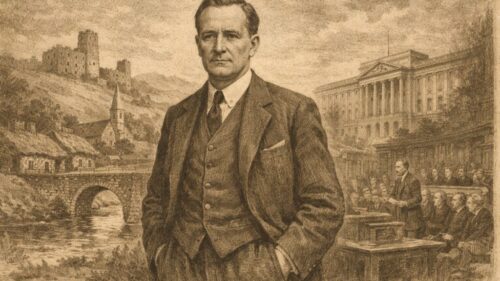
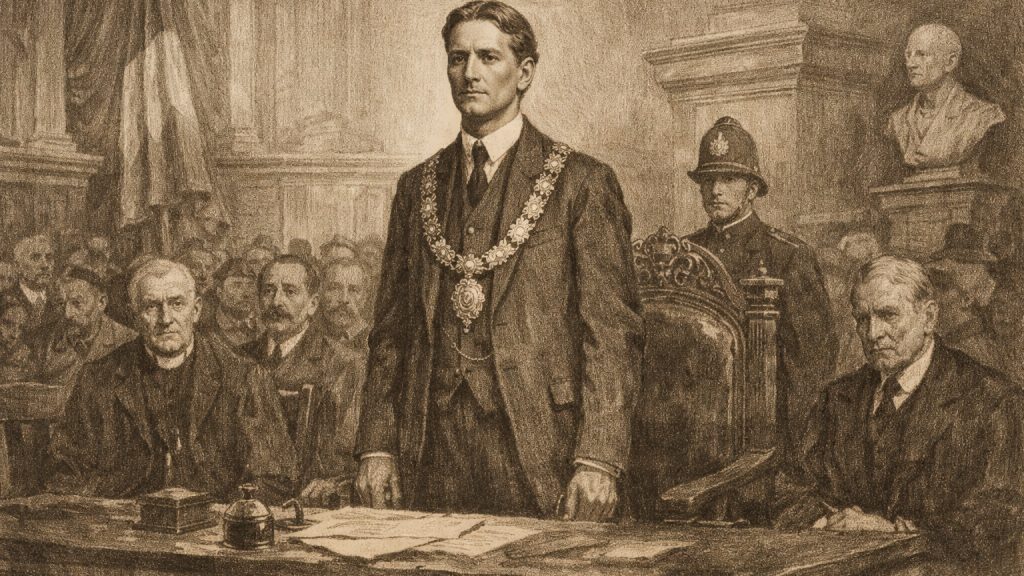
In the 1918 General Election he was returned for Mid-Cork and took his seat for Sinn Féin in the First Dáil Éireann. He carried out organisational work and raised funds for the Dáil Loan, which was organised nationally by Michael Collins. Following the murder of Tomás Mac Curtain on 20 March 1920, MacSwiney became commander of the Cork No 1 Brigade and Lord Mayor of Cork. A preserved speech made on the occasion of his election describes him as stepping into the breach rather than filling an administrative post.
Final Days
A letter from Richard Mulcahy to MacSwiney shows concern that he had been going about Cork without protection. Another record states that he died in Brixton Prison on 25 October 1920 after a lengthy hunger strike. A later Capuchin account by Fr Dominic O’Connor, published in 1942 in The Capuchin Annual, described his imprisonment and death.
Source References
Hover over a number to see the source. Select it to open the source.