


Related Archive: Irish politics

Kildare Succession

Kildare Succession

Archived: 19 October 2026

Abstract

In 1513, Ireland experienced interconnected struggles over lordship, succession and regional power. Gearóid Mór FitzGerald’s death weakened his extensive political system, although his son Gerald succeeded as earl and deputy governor. In Tír Eógain, Art Óg O’Neill secured inauguration with local and Kildare support amid contested succession. Aodh Dubh O’Donnell besieged Sligo, influenced control of Dunluce and visited James IV of Scotland before Flodden ended Scottish royal intervention. Raiding, burning and maritime violence affected coastal and rural communities. Meanwhile, Franciscan scholarship, ecclesiastical deaths and aristocratic patronage demonstrated enduring religious, learned and charitable networks across a politically fragmented yet connected Ireland.
Read Article

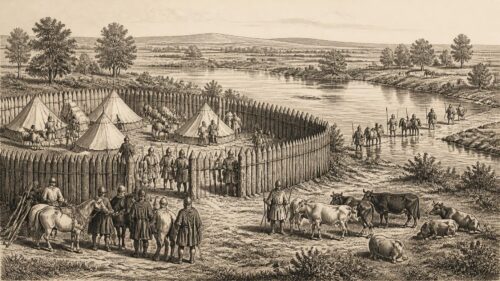
Athleague Stronghold

Athleague Stronghold

Archived: 23 October 2026

Abstract

In 1337, Ireland remained politically fragmented, with Anglo-Irish, Gaelic and royal authorities pursuing alliances, rents and warfare. William, son of the Earl of Ulster, reached a rent-based settlement with Brian Bán Ó Briain, while Aodh Reamhar Ó Néill made northern peace. In Connacht, Toirdelbach Ó Conchobair established a military position at Athleague against Edmund Burke, but Clann Cheallaig defeated and captured him. Feuds in Dartry and Breifne brought killings, raids, captivity and succession. Domnall Ruadh Ó Máille and his son were murdered. Dublin received royal governors, while bishops, scholars and poets died, illustrating the interdependence of power, church and learning.

Read Article