
Welcome To Limerick Archives
Explore Limerick Archives
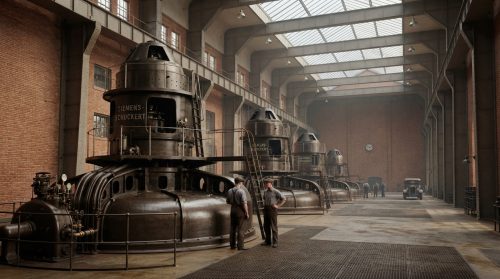
Power House
23 July 2026
This photograph, dated 2 February 1937, shows part of the power house serving the Shannon Power Scheme near Limerick. The vast industrial complex formed a central element of the pioneering hydroelectric development centred on Ardnacrusha, which transformed electricity generation across the Irish Free State. Its massive concrete structures, turbines and engineering works symbolised national modernisation and technological ambition during the early decades of independence. The image records both the imposing scale of the station and the functional character of its design. By 1937, the scheme had become an established source of power, supporting homes, businesses and industry throughout Ireland nationwide.
View Image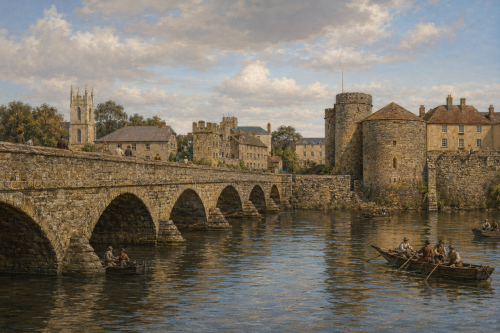
Thomond Bridge
11 July 2026
This 1881 reconstructed image is based on an engraving and depicts Thomond Bridge and King John’s Castle overlooking the River Shannon in Limerick, County Limerick. The original was published in Élisée Reclus’s geographical work The Earth and Its Inhabitants, the image presents one of the city’s most recognisable historic views. The medieval castle dominates the riverbank, while the bridge connects the city across the Shannon. Boats, buildings, and figures add detail to the busy riverside setting. The engraving reflects both the architectural importance of the castle and the strategic role of the crossing, preserving a valuable nineteenth-century representation of Limerick’s urban landscape and historic waterfront for future generations to appreciate.
View Image
George Street
15 July 2026
In 1900, George Street, now O’Connell Street, formed the commercial heart of Edwardian Limerick. Its broad thoroughfare was lined with elegant Georgian buildings, busy shops, hotels and offices, while horse-drawn carts, carriages and pedestrians filled the roadway. Street traders added colour and activity to the city’s principal avenue. Among its notable establishments were the Cruises Royal Hotel, MacMahon’s Temperance Hotel and respected merchants such as O’Mahony & Company. The street reflected Limerick’s growing prosperity at the opening of the twentieth century, combining refined architecture with energetic daily commerce and serving as a central meeting place for residents, visitors and travellers alike.
View Image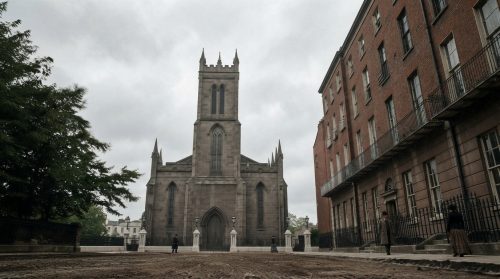
Pery Square
19 July 2026
Pery Square stands as the finest surviving expression of Limerick’s Georgian ambition. Built between 1835 and 1838, its elegant western terrace was designed as part of a larger development, but the Great Famine prevented completion. Construction was financed through an unusual tontine scheme, in which ownership depended upon the survival of nominated individuals. The adjoining residents’ garden later became the People’s Park in 1877, opening the landscaped space to the public. Today, the square remains an important cultural and architectural landmark, home to the People’s Museum, Limerick City Gallery of Art and the beautifully restored No. 1 Pery Square Hotel.
View Image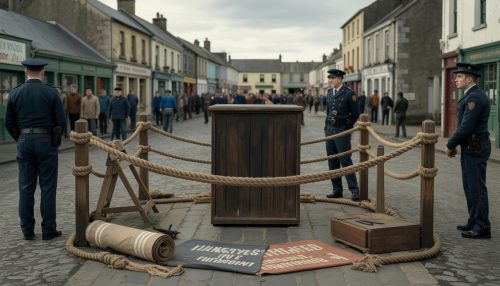
Roscommon Meeting
22 July 2026
On 12 February 1900, the suppression of a public political meeting in County Roscommon was fiercely challenged in Parliament, raising urgent questions about civil liberties and the use of state power in Ireland. Irish MPs condemned the authorities for invoking emergency legislation to “proclaim” the gathering, thereby preventing citizens from assembling and expressing political views. The incident, widely reported in national and local newspapers, was described as a violation of fundamental rights and an affront to democratic principles.
Read Article
Boer Opposition
22 July 2026
On 7 February 1900, John Redmond publicly declared that the united Irish Parliamentary Party stood firmly against the Boer War and in favour of the independence of the Boer republics, a statement that resonated powerfully in Limerick. The city’s nationalist community, having recently celebrated the party’s reunification, saw Redmond’s stance as a bold assertion of Irish solidarity with small nations fighting imperial domination—a cause that struck a deep chord among Limerick’s working class and political activists.
Read Article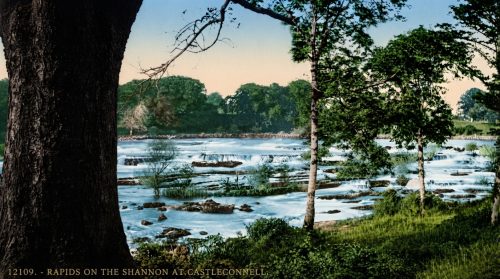
Shannon Rapids
23 July 2026
This historic view shows the Shannon Rapids at Castleconnell, County Limerick, during the early twentieth century. Renowned for their dramatic white water, the rapids formed one of Ireland’s most celebrated salmon-fishing locations and attracted anglers from Britain, Europe and beyond. The surrounding village developed a strong reputation for hospitality, sport and riverside leisure during the Victorian and Edwardian eras. The character of the river changed after the Ardnacrusha hydroelectric scheme diverted much of the Shannon’s flow in 1929. Even so, Castleconnell remains closely associated with angling, boating, walking and the enduring natural beauty of the River Shannon to this day.
View Image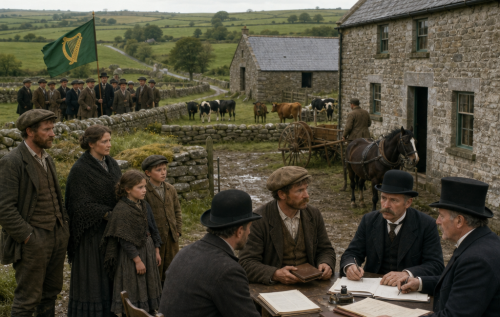
Purchase Delayed
21 June 2026
Tenant purchase continues under the existing Irish Land Acts, allowing some farmers to replace rent payments with annual instalments towards ownership of their holdings. The principle has won broad support among tenants who believe possession of the soil would provide greater independence, security and confidence in improving their farms. Yet the number of completed sales remains insufficient to satisfy many rural communities. In County Limerick, farmers continue to wait upon negotiations between landlords, tenants, the Irish Land Commission and the Treasury, while political organisers argue that a reform intended to settle the land question is proceeding far too slowly.
Read Article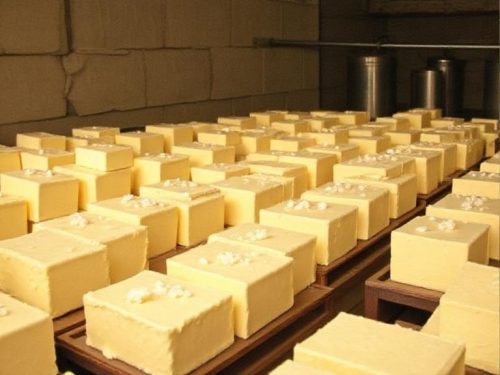
Creamery Expansion
22 June 2026
Co-operative creameries continue to spread across rural Ireland under the influence of Horace Plunkett and the Irish Agricultural Organisation Society. The movement encourages farmers to combine their milk, capital and labour so that butter can be produced by modern machinery, graded to a consistent standard and sold through an organisation owned by the suppliers themselves. County Limerick, with its strong dairying tradition and growing network of creameries, occupies an important place in this agricultural transformation. Supporters argue that co-operation allows small farmers to overcome disadvantages that none could manage alone.
Read Article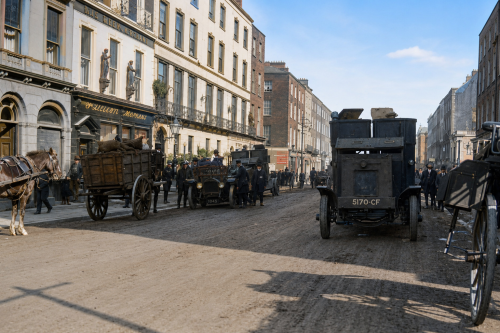
Republican Patrols
22 July 2026
During the Irish Civil War, armoured cars operated by Republican forces patrol a Limerick street as civilians watch cautiously from the roadside. The arrival of troops has created a tense and uncertain atmosphere, with local people anxious to avoid any action that might provoke violence or heavy bloodshed. The vehicles move through the city as a visible display of military control, while horse-drawn transport and early motor traffic share the roadway. This striking scene records the growing presence of armed forces in Limerick and the apprehension felt by residents as conflict reached the streets and disrupted ordinary daily urban life.
View Image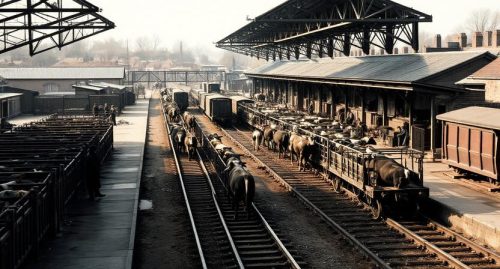
Regulations Questioned
22 July 2026
On 6 February 1900, regulations governing the movement of cattle through northern Ireland were brought under scrutiny in Parliament, a subject followed closely in Limerick due to the city’s central role in the national cattle trade. Limerick’s markets and railway links made it a hub for livestock moving between regions, and any changes to transit rules in Ulster had a direct bearing on the city’s commercial activity and the fortunes of farmers and traders who depended on seamless distribution routes.
Read Article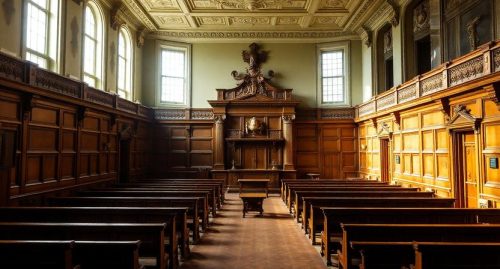
Magistrates’ Removal
21 July 2026
On 5 February 1900, the removal of Irish magistrates from office became the subject of an official question in the British Parliament—a development watched with close interest in Limerick, where the integrity and independence of the local judiciary was a constant matter of public concern. Limerick’s legal and civic communities had a strong tradition of involvement in legal affairs, and any challenge to the standing of magistrates was seen as having direct implications for the city’s governance, public confidence in the courts, and the administration of justice.
Read Article