Creamery Expansion(c.1880s)
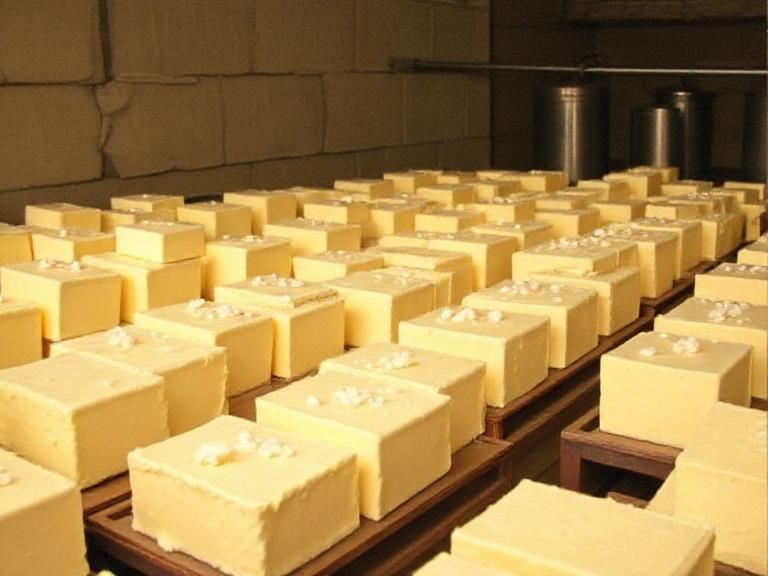
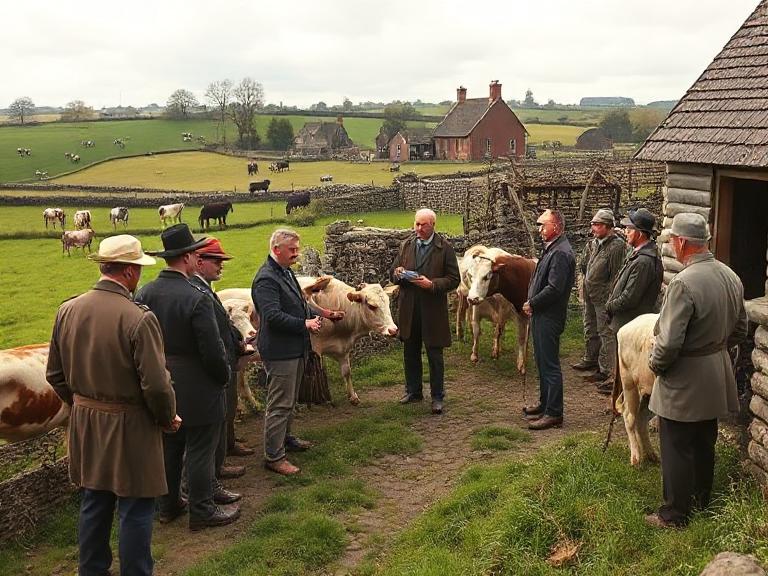
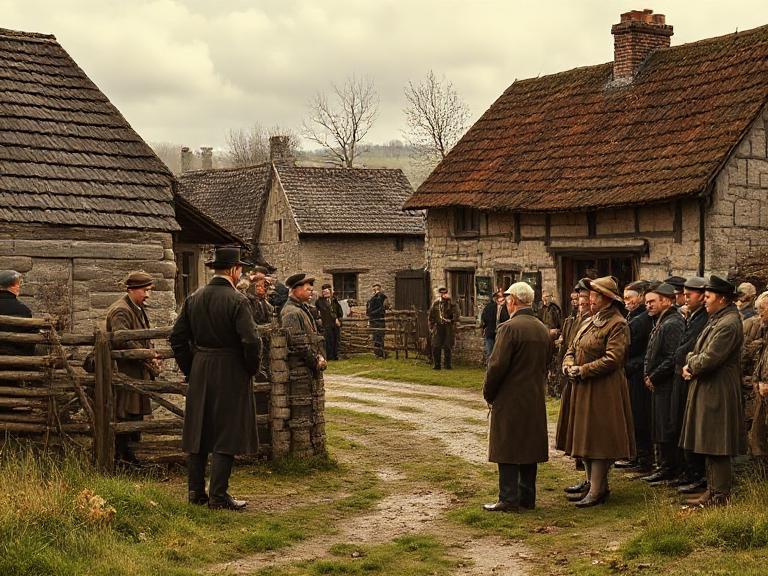
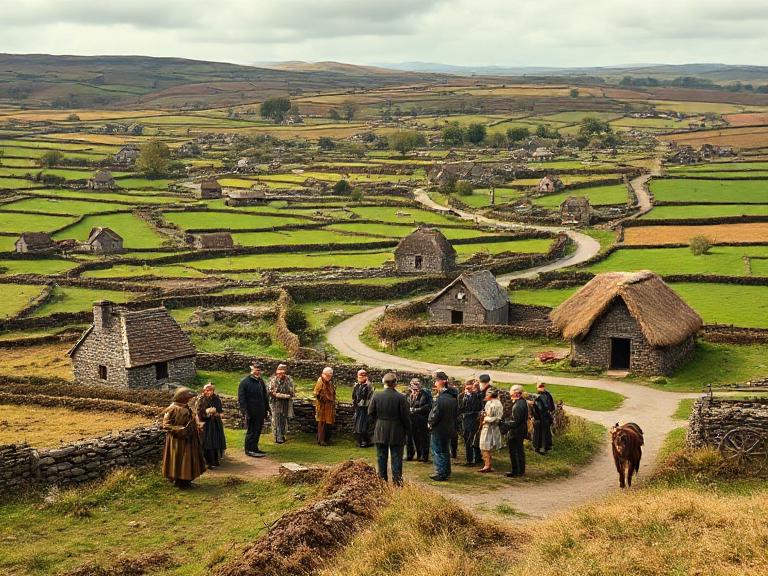
Co-operative creameries continue to spread across rural Ireland under the influence of Horace Plunkett and the Irish Agricultural Organisation Society. The movement encourages farmers to combine their milk, capital and labour so that butter can be produced by modern machinery, graded to a consistent standard and sold through an organisation owned by the suppliers themselves. County Limerick, with its strong dairying tradition and growing network of creameries, occupies an important place in this agricultural transformation. Supporters argue that co-operation allows small farmers to overcome disadvantages that none could manage alone.
A co-operative creamery is established when local farmers purchase shares and agree to supply milk to a central facility. Mechanical separators remove cream more efficiently than many household methods, while trained managers supervise production, cleanliness, accounts and marketing. After operating expenses are met, the value created by the business belongs to its members rather than an outside proprietor. The system requires trust, regular milk supplies and careful administration. A poorly managed society can fail, but a successful creamery may secure better prices, improve butter quality and provide a dependable commercial centre for the surrounding countryside.
Plunkett has promoted agricultural co-operation since the late 1880s, arguing that rural prosperity requires better farming, sound business practice and stronger community organisation. The Irish Agricultural Organisation Society, founded in 1894, sends organisers into the countryside to explain co-operative principles, assist farmers in drafting rules and advise newly formed societies. Its annual reports record the expansion of affiliated creameries, agricultural societies, credit associations and other rural enterprises. The organisation’s purpose is not to operate every creamery directly but to help farmers establish and govern businesses capable of serving their own districts.
The movement faces determined commercial opposition. Privately owned creameries and butter merchants fear the loss of milk supplies and local influence, while the British Co-operative Wholesale Society has also established Irish creameries to serve its own extensive market. Rival businesses may compete for suppliers by adjusting prices or opening facilities near existing societies. Co-operative organisers warn that temporary inducements can weaken farmer-owned ventures before outside buyers regain control. Political and religious disagreements may also divide communities, although Plunkett insists that practical economic interests should unite farmers regardless of party or denomination.
In Limerick, the spread of co-operative dairying may influence far more than butter production. Creameries create employment, encourage improved cattle breeding, increase demand for transport and bring farmers into regular commercial contact. Meetings and shared accounts also teach members how to conduct collective business, elect committees and scrutinise management. The wider significance lies in transferring economic power towards local producers, although success depends upon loyalty, competent administration and access to markets. The co-operative creamery is becoming both an agricultural institution and a rural meeting place, offering farming families a means of strengthening their position through organised self-help.
Primary Sources
- Irish Agricultural Organisation Society, Annual Report for 1900, Dublin: Irish Agricultural Organisation Society. Consult the lists and statistical tables concerning affiliated co-operative creameries, membership and trading activity. Exact page and table should be confirmed before formal citation.
- Horace Plunkett, Ireland in the New Century, London: John Murray, 1904. Consult the chapter concerning agricultural co-operation and the work of the Irish Agricultural Organisation Society.
- Irish Homestead, 1900, reports and commentary concerning co-operative creameries, dairy farming and agricultural organisation. Exact issue, page and column should be confirmed before formal citation.
- Department of Agriculture and Technical Instruction for Ireland, Agricultural Statistics of Ireland with Detailed Report for the Year 1900, Dublin: His Majesty’s Stationery Office, 1901. Exact dairy and livestock tables should be confirmed before formal citation.
- Limerick Chronicle, 1900, reports concerning creameries, butter markets, milk suppliers and co-operative organisation in County Limerick. Exact issue, page and column should be confirmed before formal citation.