Railway Dispute Raised
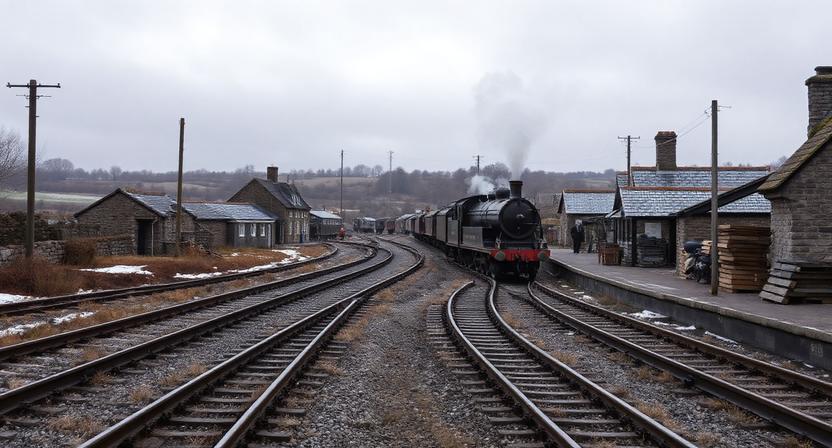
On 5 February 1900, a dispute involving the Waterford and Limerick Railway was formally raised in the British Parliament, highlighting ongoing challenges in Ireland’s expanding railway network at the turn of the century. The Waterford and Limerick Railway, a vital link for trade and travel across the south and west of Ireland, had been experiencing tensions relating to management, labour relations, and service disruptions. The parliamentary intervention was reported in both local and national newspapers, drawing interest from merchants, travellers, and civic leaders in Limerick.
Parliamentary questions focused on the nature of the dispute—believed to involve issues such as employee grievances, wage claims, and the reliability of passenger and freight services. Members asked about government oversight, the steps taken to mediate between management and workers, and the potential impact on the region’s economy. The Board of Trade responded by outlining ongoing investigations and efforts to restore normal operations, while expressing hope for a speedy resolution.
In Limerick, the railway dispute was a matter of concern for businesses dependent on timely deliveries of goods and for travellers relying on efficient connections to other parts of Ireland. Editorials and letters in local newspapers reflected frustration with delays and uncertainty, as well as calls for fair treatment of railway staff and improved management practices. The city’s commercial associations and local authorities urged all parties to prioritise the public interest and to maintain essential transport links.
The episode also drew attention to the importance of railways in the economic and social life of Limerick and the wider region. The Waterford and Limerick Railway was not only a conduit for goods and passengers but also a symbol of progress and modernity, making the resolution of disputes a priority for all stakeholders.
The raising of the Waterford and Limerick Railway dispute in Parliament in February 1900 underscored the need for effective regulation, industrial harmony, and reliable infrastructure as Ireland entered the twentieth century. The outcome was watched with keen interest in Limerick, where the railway’s fortunes continued to shape the city’s development.
- UK Parliament, Hansard, HC Deb 5 February 1900, vol 78, cc1360-1, “Waterford and Limerick Railway Dispute.”
- Freeman’s Journal (Dublin), 6 February 1900, coverage of the railway dispute and parliamentary debate.
- Irish Times, 6 February 1900, report on service disruptions and local reaction.
- Limerick Leader, February 1900, editorials and business correspondence on the impact of railway disputes.