W. B. Yeats
William Butler Yeats was born in Sandymount Avenue in Dublin on 13 June 1865. He was the son of John Butler Yeats, who later became a distinguished painter. Much of his childhood was spent in County Sligo with his mother’s family, and he was educated in London and at the High School in Dublin. He later studied art at the Metropolitan School of Art and the Royal Hibernian Academy School. Yeats turned to literature and writing, and in 1882 he founded the National Literary Society with John O’Leary and Douglas Hyde. Its aim was to publicise the literature, legends, and folklore of Ireland.
Dateline
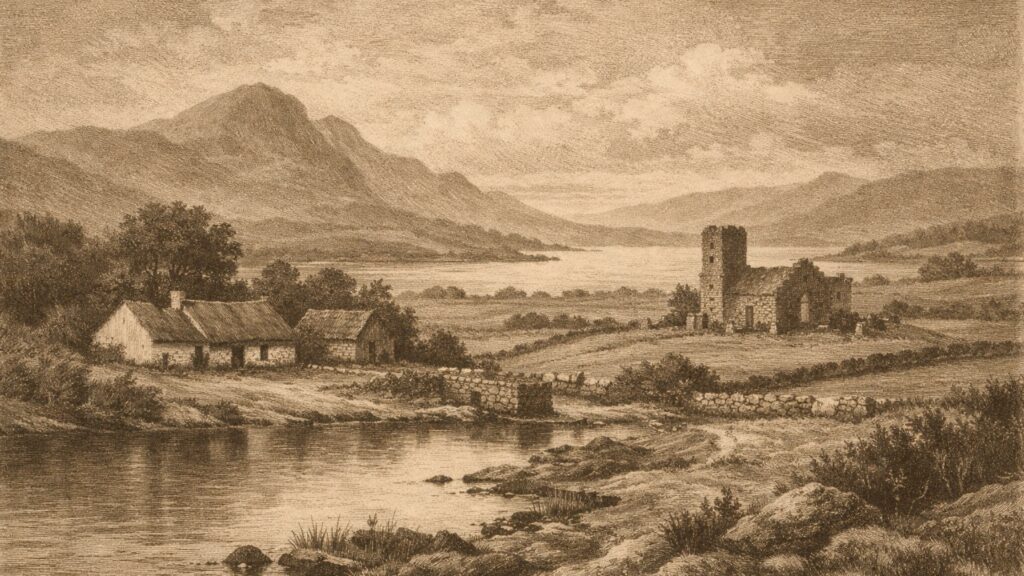
William Butler Yeats was born in Sandymount Avenue in Dublin on 13 June 1865. He was the son of John Butler Yeats, who later became a distinguished painter. Much of his childhood was spent in County Sligo with his mother’s family, and he was educated in London and at the High School in Dublin. He later studied art at the Metropolitan School of Art and the Royal Hibernian Academy School.
Literary Beginnings
Yeats turned to literature and writing, and in 1882 he founded the National Literary Society with John O’Leary and Douglas Hyde. Its aim was to publicise the literature, legends, and folklore of Ireland. His most successful early work was the poetry collection The Wanderings of Oisin.
Theatre Work
In the 1890s, Yeats worked with Lady Gregory and Edward Martyn to establish an Irish national theatre. He wrote plays for the Irish Literary Theatre, including Cathleen ni Houlihan and On Baile’s Strand, both staged on the opening night of the Abbey Theatre on 27 December 1904.
Later Years
Yeats married Georgie Hyde-Lees in 1917. On their honeymoon, they discovered her talent for automatic writing, and his wife’s communications, together with his occult studies, informed the symbolic system used in A Vision. He received the Nobel Prize in Literature in 1923. Yeats died on 28 January 1939 in the south of France and was buried in Drumcliff, County Sligo.
Source References
Hover over a number to see the source. Select it to open the source.