

New Nationalism
Pro-Boer feeling is giving renewed confidence to younger Irish nationalists who have grown dissatisfied with the pursuit of Home Rule solely through the British Parliament. In Limerick, admiration for the resistance of the Transvaal and Orange Free State has entered political meetings, newspaper discussions and conversations among cultural revivalists. Many continue to support the reunited Irish Parliamentary Party, yet others ask whether speeches and negotiated concessions can secure genuine national freedom. To these younger activists, the Boer struggle appears to…
Read Article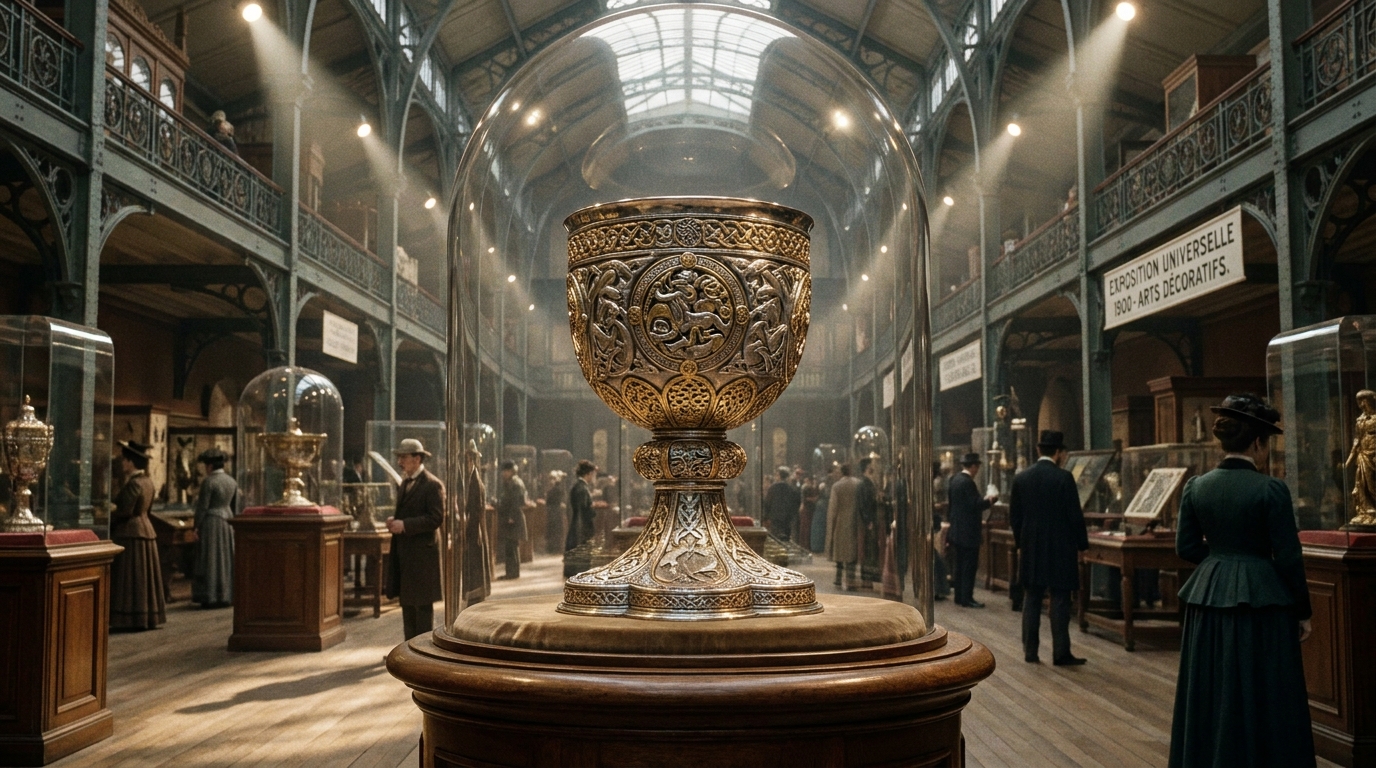
Chalice Replica
An elaborate reproduction of the Ardagh Chalice, rather than the original early medieval vessel, brought County Limerick’s artistic inheritance before the public in April 1900. The copy formed part of a collection assembled by the Goldsmiths’ and Silversmiths’ Company for the Exposition Universelle in Paris and was shown at the firm’s London premises before travelling to France. Contemporary coverage therefore does not support the claim that the object received a preliminary display in Limerick. Its relevance to the county remained unmistakable, however, because the celebrated original had been discovered at Reerasta, near Ardagh, in 1868.
Read Article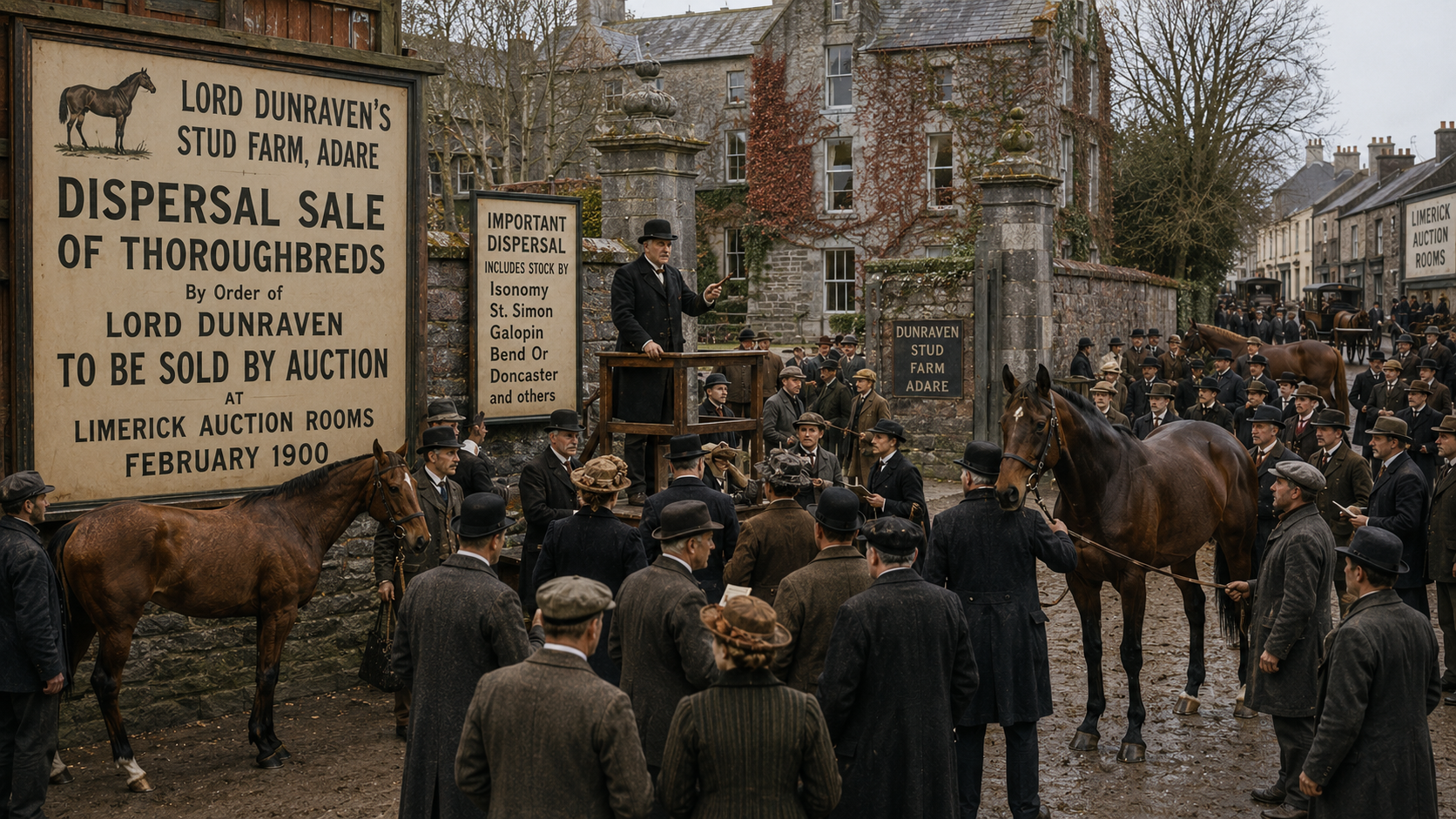
Stud Dispersal
The Irish racing world received unexpected news in January 1900 when reports announced that Lord Dunraven intended to break up his stud farm at Adare and offer a number of its thoroughbreds by public auction in Limerick the following month. The decision immediately concerned County Limerick, where the Dunraven estate had long influenced employment, social life and sporting prestige. The stud was not merely a private collection of horses. It formed part of Adare’s landed economy and connected the village with breeders, trainers, buyers and racecourses throughout Ireland and Britain.
Read Article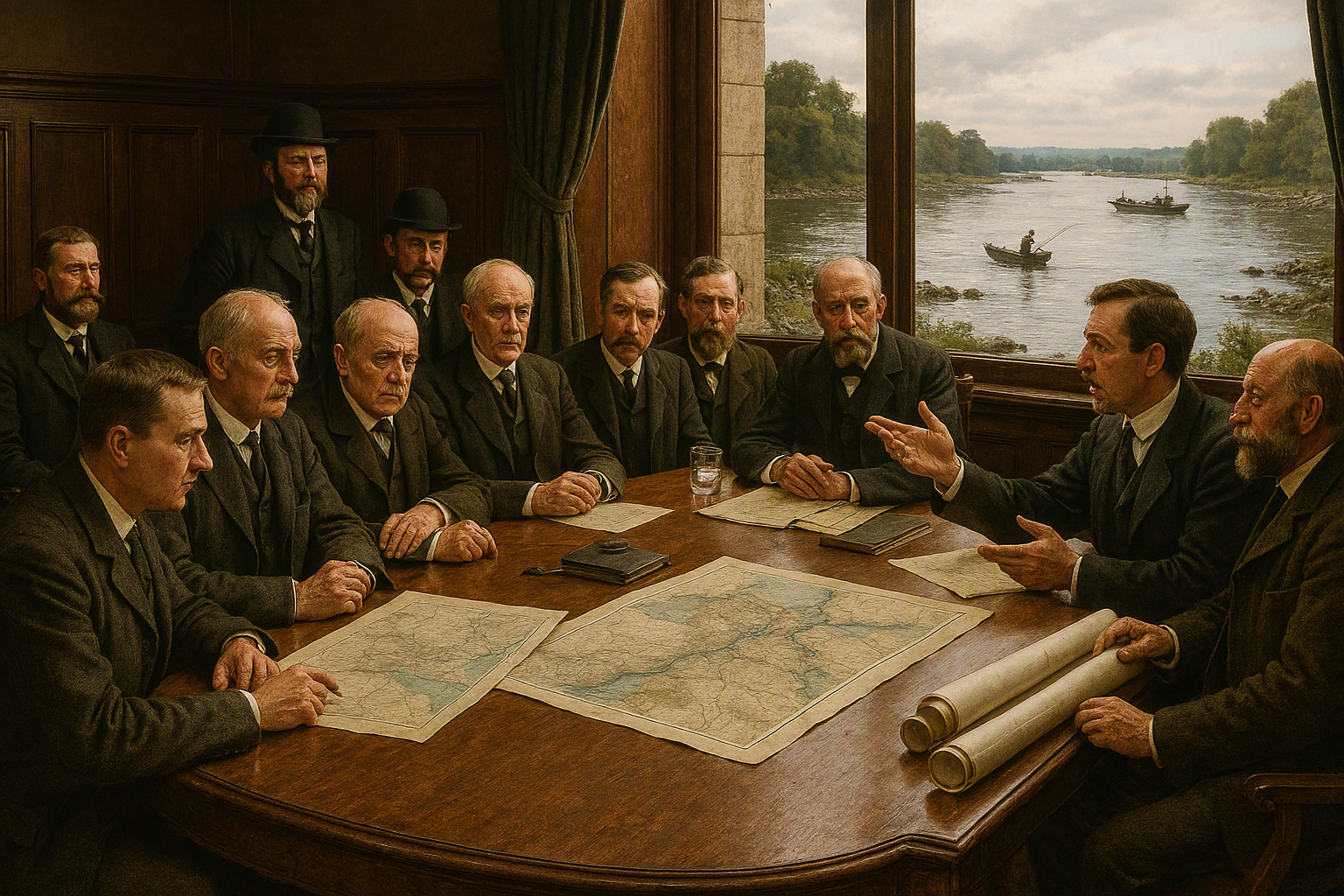
Shannon Resistance
At the opening of the twentieth century, Limerick’s fishery interests faced a proposal they believed could transform the River Shannon at enormous local cost. The Limerick Fishery Conservators, presided over by Lord Massy, met to consider the Shannon Water and Electric Power Company’s plan to secure parliamentary authority for works near Lough Derg and Clonlara. The promoters argued that Shannon water could be diverted through engineered channels to generate electricity for Limerick and surrounding districts. The Conservators unanimously resolved to oppose the measure, regarding it as a direct threat to the river upon which fisheries, navigation and established livelihoods depended.
Read Article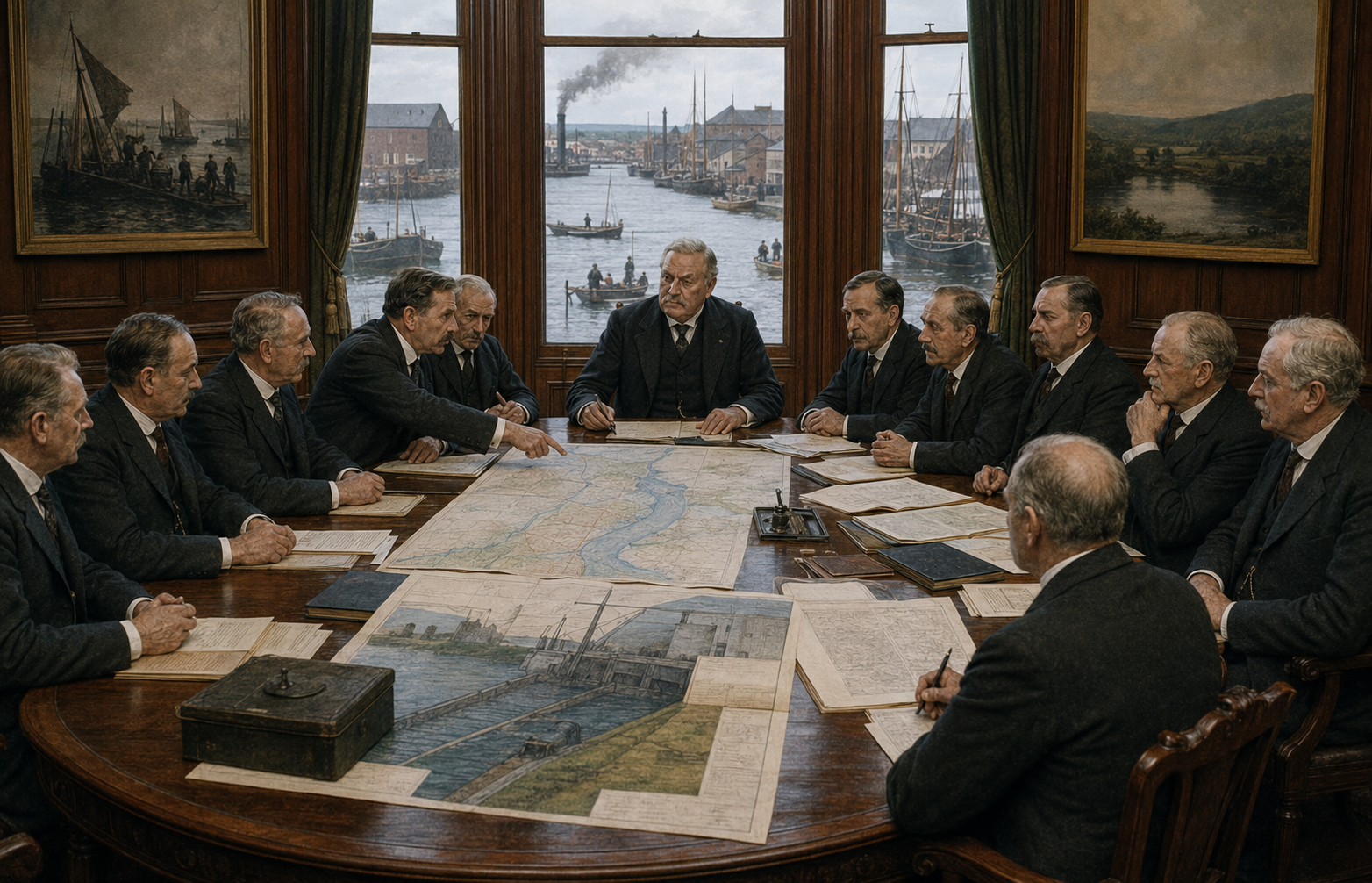
Shannon Opposition
The surviving newspaper evidence dates this report to 2 January 1900 rather than 1 January, although the meeting itself may have occurred immediately beforehand. The Limerick Fishery Conservators, presided over by Lord Massy, unanimously resolved to oppose the Shannon Water and Electric Power Company’s proposed parliamentary bill. Promoters sought authority to harness Shannon water near Lough Derg and carry it through engineered channels to generate electricity at Clonlara. The Conservators regarded the project as a serious threat to interests already dependent upon the river and resolved to organise opposition before Parliament granted the company extensive powers.
Read Article