

Estates United
The landed inheritance that later sustained the Pery family’s influence in Limerick was assembled through a succession of marriages connecting the Sexten, Pery, Stacpole, Twigg and Wray families. Susannah Sexten, who died in 1671, was the only daughter of Edmond Sexten and eventually inherited the property of his grandson, another Edmond. Her marriage to Edmond Pery of Croom brought the Sexten estates into the Pery family. Those lands included former religious property in and around Limerick, giving their descendants wealth, rents and a territorial position that would profoundly influence the city’s later development.
Read Article
Champion Born
Joseph Francis Devlin, later known throughout international badminton as Frank Devlin, was born at 11 Wellington Place in Dublin on 19 January. He was the son of Joseph Edmund Devlin, a government official, and his wife, Elizabeth. Nothing surrounding the arrival of the child suggested that he would become one of the most successful competitors in the history of his sport. Badminton remained largely associated with private clubs, schools and middle-class recreation, but the game was developing rapidly. Devlin’s extraordinary ability would eventually carry an Irish player from domestic competition to sustained success at the most prestigious championship in the badminton world.
Read Article
Civic Inheritance
Edmond Pery successfully asserted a remarkable inherited privilege in 1677 when he claimed two votes in Limerick’s common council. The right was traced through the Sexten family to the former priors of St Mary’s, whose religious property and privileges had passed into private ownership following the dissolution of the monasteries. Pery argued that succession to those lands carried political rights as well as rents and property. His achievement gave the family an unusual position within Limerick’s civic government, where elections for the mayor and common councillors shaped the distribution of authority among merchants, aldermen and established urban families.
Read Article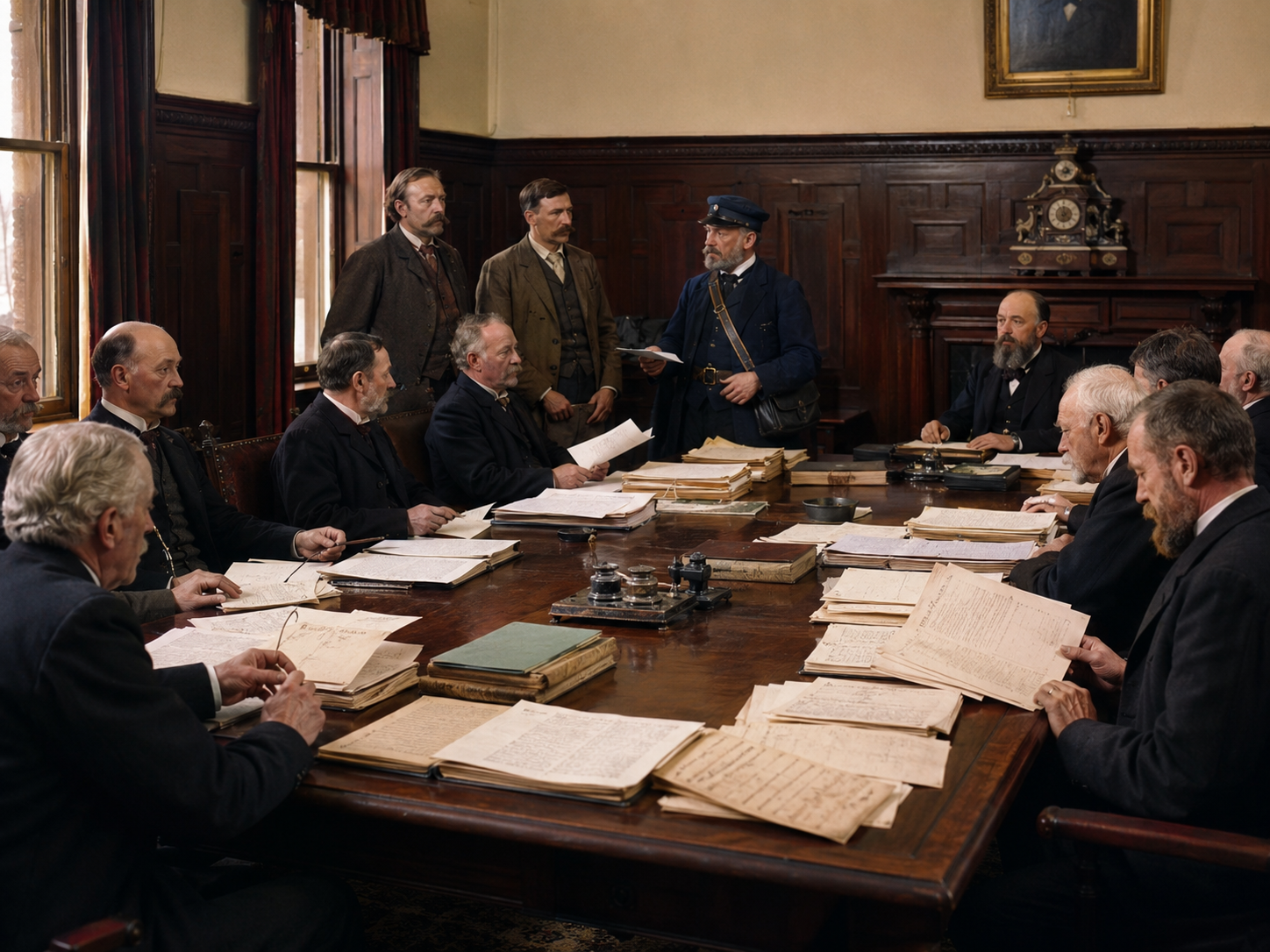
Claims Approved
The Treasury approved compensation claims submitted by two former deputy cess collectors whose employment had been affected by the transfer of local administration from the Grand Jury system. The decision, reported on 13 January 1900, reached Limerick County Council by telegram. Councillors had previously concluded that they possessed no legal authority under the Local Government (Ireland) Act of 1898 to compensate deputies who had not been formally appointed by the Grand Jury. The successful applicants therefore carried their cases beyond the Council, asking the Treasury to recognise the financial loss created when the older machinery of county taxation was replaced.
Read Article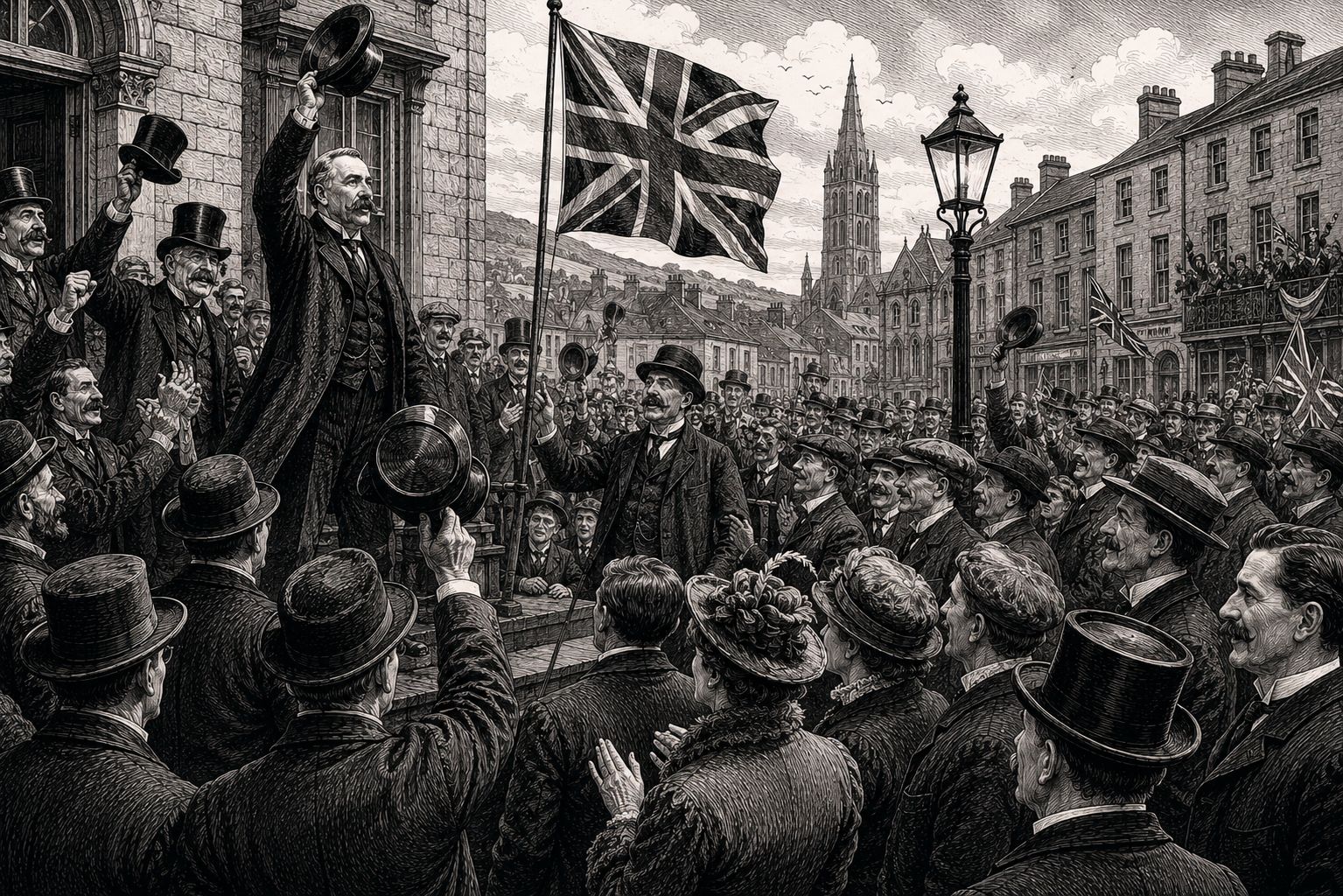
Unionists Hold
The Irish Unionist Alliance has retained eighteen of Ireland’s 103 Westminster seats as the general election concludes, preserving its principal strength in Ulster despite the overwhelming national victory of the reunited Irish Parliamentary Party. The result will interest Limerick voters because it confirms that Ireland remains divided between two sharply opposed constitutional programmes. Nationalists demand an Irish legislature and land reform, while unionists insist that the political and economic union with Great Britain must remain intact. Although unionist representation is…
Read Article