
Champion Born(c.1920s)
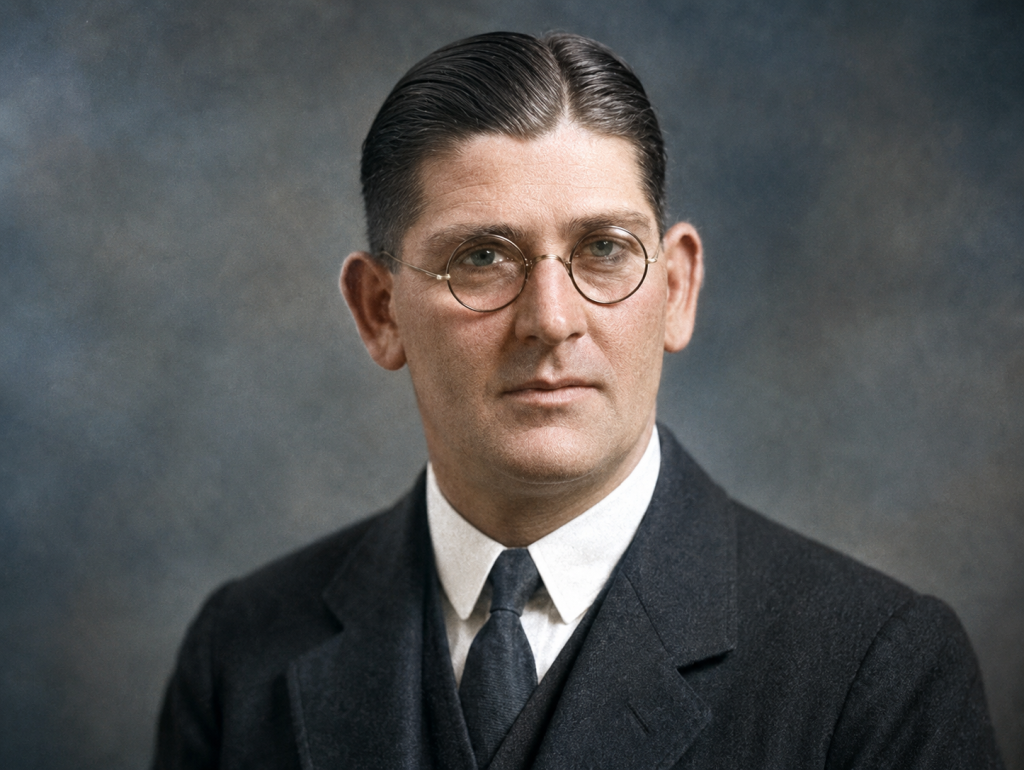
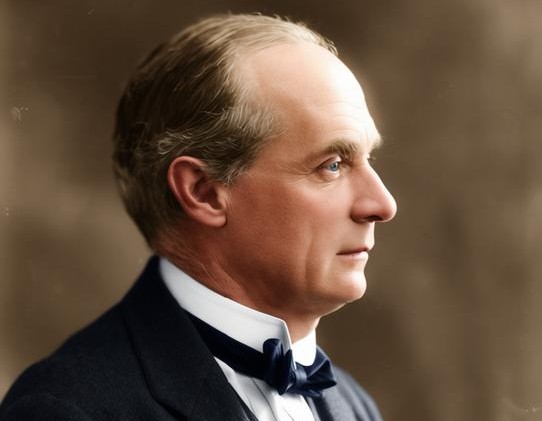
Joseph Francis Devlin, later known throughout international badminton as Frank Devlin, was born at 11 Wellington Place in Dublin on 19 January. He was the son of Joseph Edmund Devlin, a government official, and his wife, Elizabeth. Nothing surrounding the arrival of the child suggested that he would become one of the most successful competitors in the history of his sport. Badminton remained largely associated with private clubs, schools and middle-class recreation, but the game was developing rapidly. Devlin’s extraordinary ability would eventually carry an Irish player from domestic competition to sustained success at the most prestigious championship in the badminton world.
Devlin first encountered badminton informally in the family garden, where he played from childhood with relatives and his friend Gordon Bradshaw Mack, commonly known as Curly Mack. The two boys developed their control and timing without the specialised coaching, equipment or indoor facilities available to later generations. Garden play encouraged quick reactions, accuracy and improvisation, qualities that became central to Devlin’s competitive style. Mack also became an accomplished player, and the friendship formed during childhood later developed into a formidable doubles partnership. Their progress illustrated how a recreation practised within an ordinary Dublin household could provide the foundation for international sporting achievement.
Devlin emerged as a leading competitor during the 1920s, when the All England Championships were regarded as badminton’s unofficial world championship. Between 1922 and 1931 he accumulated eighteen All England titles across men’s singles, men’s doubles and mixed doubles. He won six singles championships and achieved the exceptional feat of securing all three available titles in 1926, 1927 and 1929. His success depended upon speed, control, stamina and tactical intelligence rather than physical power alone. During an era dominated largely by English competitors, Devlin’s repeated victories gave Irish badminton unprecedented visibility and established him among the outstanding racket-sport players of his generation.
His international influence extended beyond tournament victories. Devlin travelled to Canada with touring teams during the 1920s and 1930s, helping to demonstrate and promote badminton while organised associations were developing overseas. He later settled in North America and continued to teach, coach and encourage the sport. His understanding of stroke production, positioning and efficient movement influenced players beyond Ireland and Britain. Badminton remained amateur, meaning that champions received limited financial reward, yet Devlin devoted much of his life to its advancement. His achievements reflected a period when personal reputation, club competition and international exhibition tours were central to the growth of organised sport.
Devlin’s sporting legacy continued through his daughters Susan Devlin and Judy Devlin, both of whom became international champions. Judy developed into one of the greatest women’s badminton players of the twentieth century, while Susan also enjoyed major success in doubles and international competition. Frank Devlin lived until 1988 and was inducted posthumously into the International Badminton Federation Hall of Fame in 1997. His eighteen All England victories left him among the championship’s most successful competitors. The child born at Wellington Place entered Irish sporting history not merely as a prolific winner, but as the founder of a remarkable family tradition that influenced badminton across several countries.
Frank Devlin, Joseph Francis Devlin, Irish badminton, Dublin sport, Wellington Place, All England Championships, badminton champions, Curly Mack, Gordon Bradshaw Mack, Irish sportsmen, racket sports, international badminton, men’s singles, men’s doubles, mixed doubles, Devlin family, Judy Devlin, Susan Devlin, January 1900, Irish sporting history