24 June 2026
Civic Inheritance
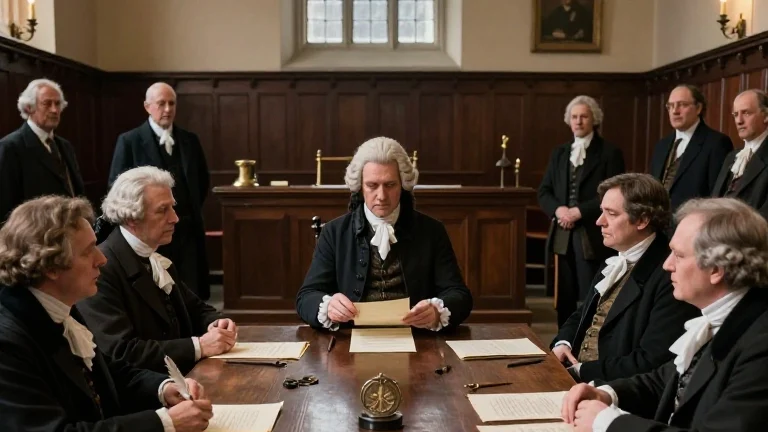
Edmond Pery successfully asserted a remarkable inherited privilege in 1677 when he claimed two votes in Limerick’s common council. The right was traced through the Sexten family to the former priors of St Mary’s, whose religious property and privileges had passed into private ownership following the dissolution of the monasteries. Pery argued that succession to those lands carried political rights as well as rents and property. His achievement gave the family an unusual position within Limerick’s civic government, where elections for the mayor and common councillors shaped the distribution of authority among merchants, aldermen and established urban families.
Read Article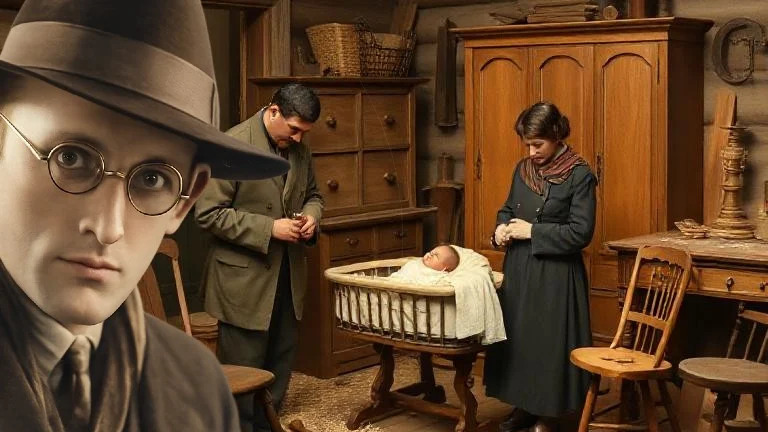
24 June 2026
Artist Born
Harry Aaron Kernoff was born in London on 9 January 1900 into a Jewish family whose origins reached across eastern and southern Europe. His father, Isaac Kernoff, was a furniture maker of Russian-Jewish background, while his mother, Katherine, came from a Sephardic Jewish family. The household combined skilled craftsmanship with the experience of migration, placing the future artist within a world shaped by manual work, cultural inheritance and adaptation. Although born outside Ireland, Kernoff would become closely associated with Dublin and would eventually be recognised as one of the most distinctive visual chroniclers of Irish urban life during the twentieth century.
Read Article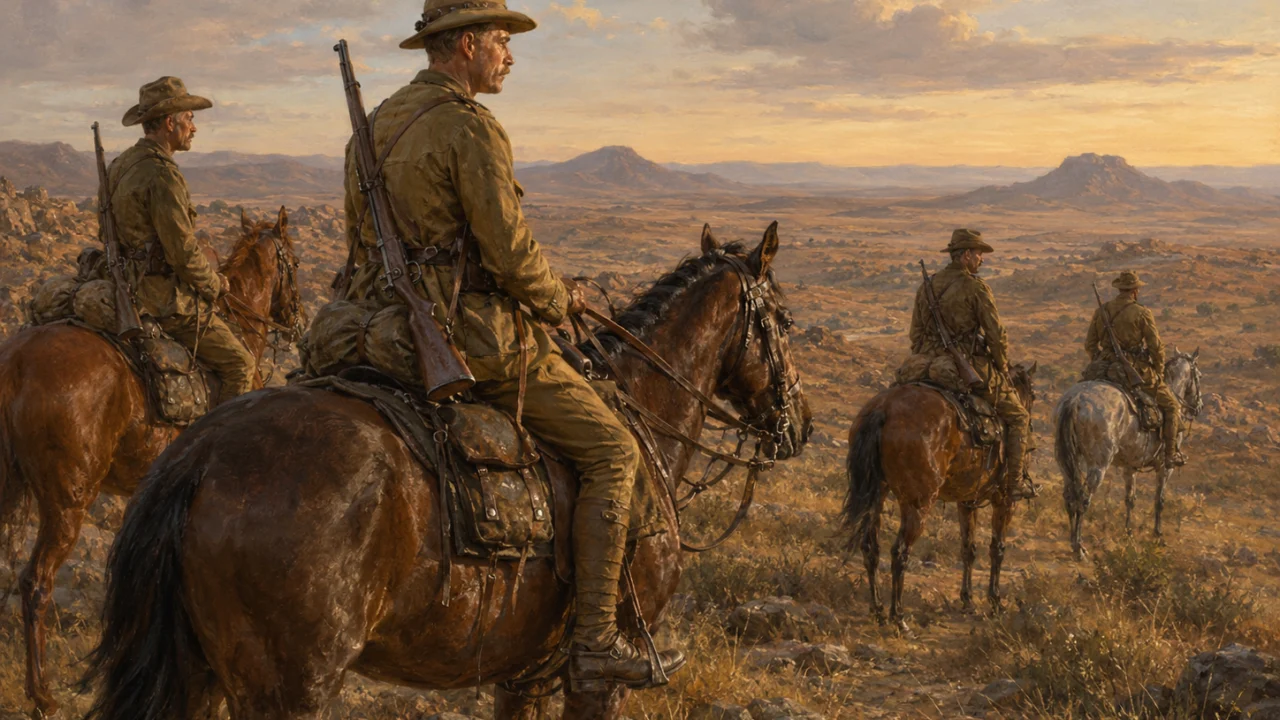
26 June 2026
Election Violence
The South Mayo by-election of February 1900 drew Limerick directly into a bitter struggle over the direction of Irish nationalism. John Daly, the veteran Fenian then serving as Mayor of Limerick, travelled to County Mayo to support Major John MacBride, whose candidature was promoted while he fought beside the Boers in South Africa. Daly’s intervention carried symbolic importance: a former political prisoner and leading republican, he represented a separatist tradition sharply critical of parliamentary dependence upon Westminster. Reports that he was attacked during the campaign showed how readily political argument could pass into physical intimidation.
Read Article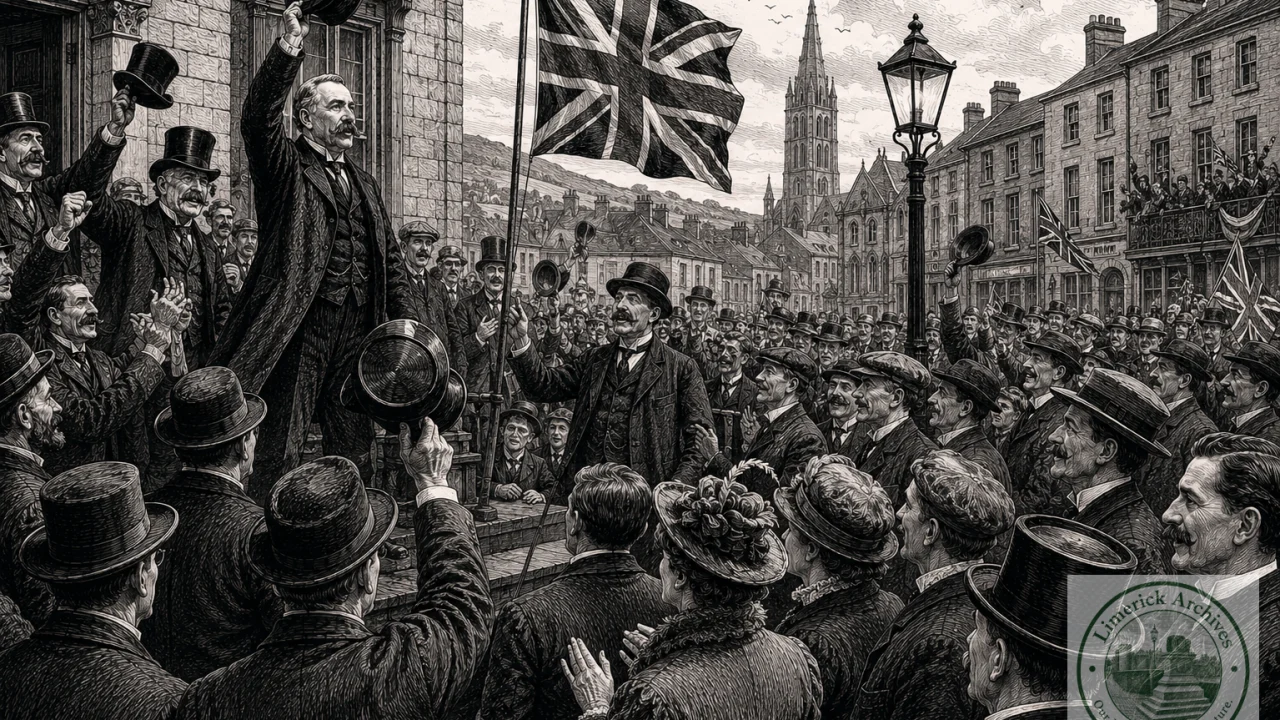
19 June 2026
Unionists Hold
The Irish Unionist Alliance has retained eighteen of Ireland’s 103 Westminster seats as the general election concludes, preserving its principal strength in Ulster despite the overwhelming national victory of the reunited Irish Parliamentary Party. The result will interest Limerick voters because it confirms that Ireland remains divided between two sharply opposed constitutional programmes. Nationalists demand an Irish legislature and land reform, while unionists insist that the political and economic union with Great Britain must remain intact. Although unionist representation is comparatively small across Ireland, its concentration in the north-east gives the movement considerable organisation, confidence and parliamentary influence. The Irish…
Read Article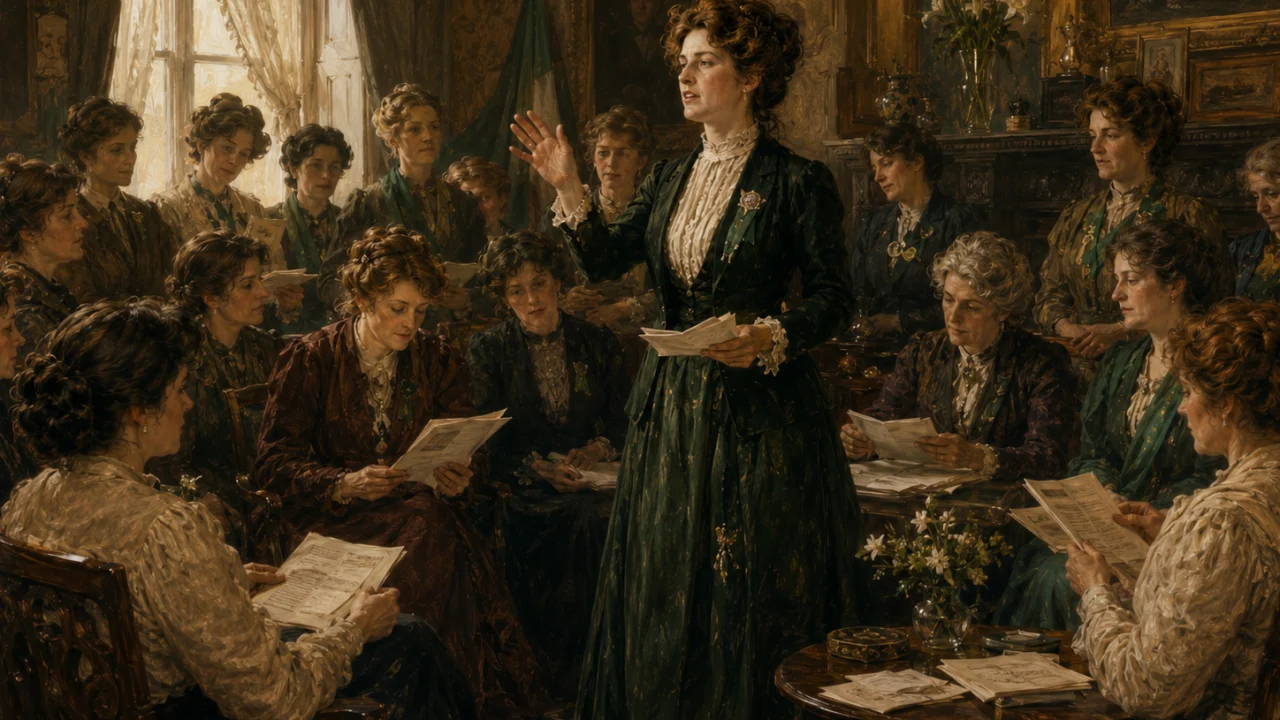
19 June 2026
Culture Revived
Inghinidhe na hÉireann has placed the Irish language, national culture and economic self-reliance at the centre of its programme for complete independence. Established under Maud Gonne’s leadership, the women’s organisation argues that political freedom cannot be secured by parliamentary action alone while Irish people continue to neglect their own language, history, literature and industries. Members intend to cultivate national confidence through education and practical organisation, especially among children. Their approach joins separatist politics with everyday choices concerning speech, reading, entertainment and household spending, giving women a direct role in shaping the cultural foundations upon which an independent Ireland might eventually…
Read Article