Child Boarding
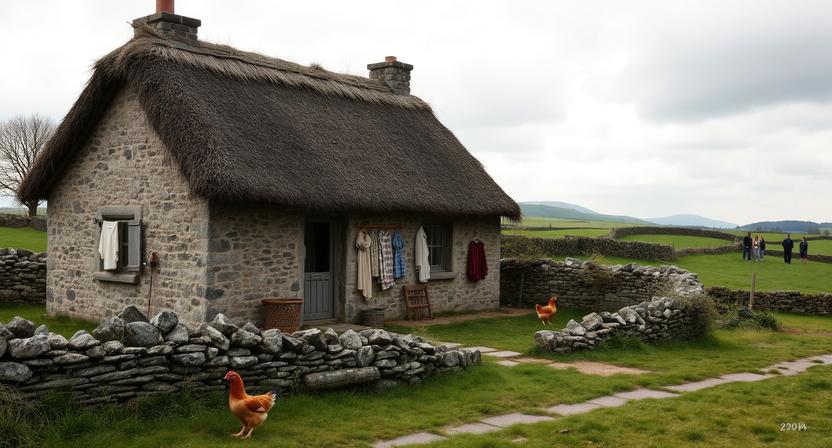
On 8 February 1900, the practice of boarding out pauper children with foster nurses outside Irish workhouses—known as “out-nursing”—was discussed in Parliament. This issue was of critical importance to social reformers and Poor Law guardians, who debated whether the system provided a healthier, more humane alternative to institutional care, or risked exposing vulnerable children to neglect and exploitation.
Parliamentary debate focused on the oversight and regulation of out-nursing arrangements, the selection and monitoring of foster homes, and reports of both success and failure. Some MPs highlighted cases where children thrived in rural foster care, forming close bonds with families and enjoying better health and prospects than in the workhouse. Others raised concerns about inadequate inspections and the dangers of abuse or poor living conditions when supervision was lax. Government officials promised closer attention to local authority reports and pledged to tighten regulations and improve record-keeping.
In towns and rural districts across Ireland, newspapers and charitable groups followed the discussion closely, sharing stories of foster families and calling for reforms to safeguard children’s welfare. The debate reflected broader anxieties about poverty, family separation, and the responsibilities of the state.
The discussion of child boarding in February 1900 highlighted the evolving efforts to protect the most vulnerable in Irish society and the tension between institutional and community-based care.
- UK Parliament, Hansard, HC Deb 8 February 1900, “Out-Nursing in Irish Unions.”
- Freeman’s Journal (Dublin), 9 February 1900, reports on child welfare and parliamentary debate.
- Irish Times, 9 February 1900, coverage of Poor Law reforms and out-nursing cases.
- Local workhouse records, February 1900, reports on boarded-out children and inspections.
