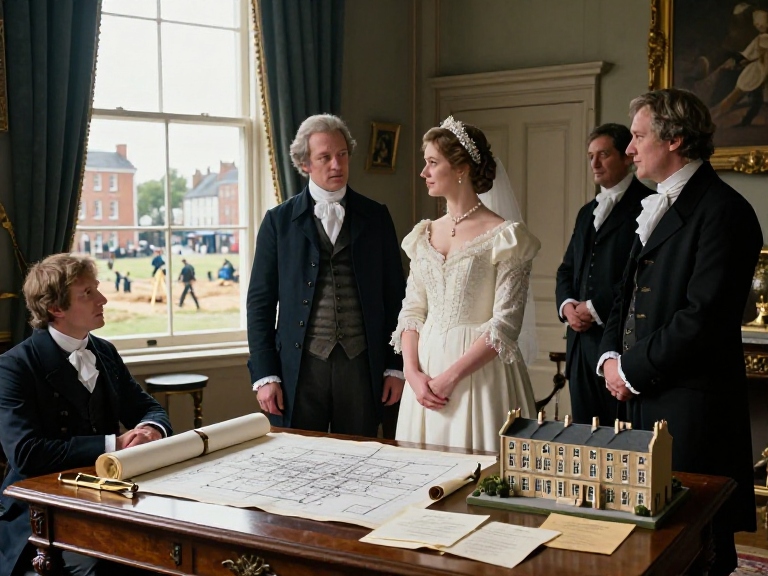
The Hartstonge and Pery families became closely bound through two.
Hartstonge Legacy
The Hartstonge and Pery families became closely bound through two marriages that brought together political influence, landed property and urban ambition in eighteenth-century Limerick. Sir Henry Hartstonge, third baronet of Bruff and Court, married Lucy Pery in 1751. She was the sister of Edmond Sexten Pery and the Reverend William Cecil Pery, whose parliamentary, ecclesiastical and property interests increasingly shaped the city. The marriage produced no children, but it placed Hartstonge firmly within the Pery family circle. He became both a political ally and a participant in the development of property connected with Newtown Pery.
View Record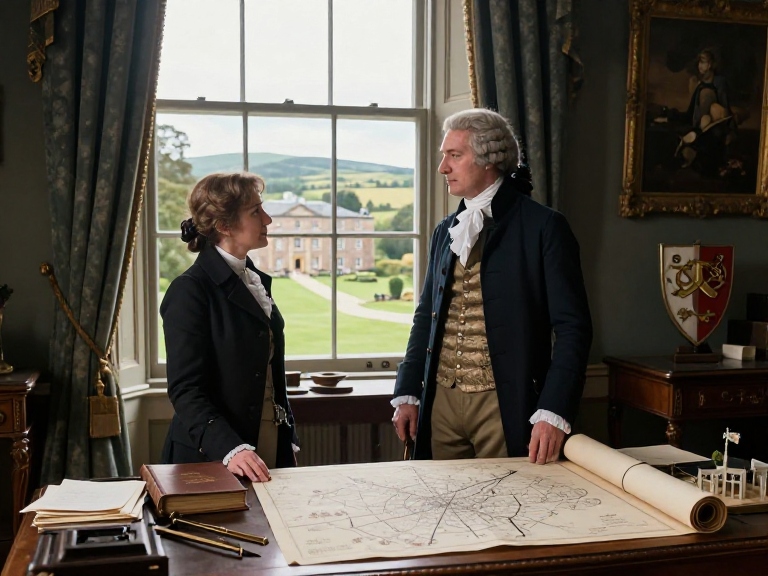
William Cecil Pery’s choice of “Mallow” as the territorial designation.
Mallow Inheritance
William Cecil Pery’s choice of “Mallow” as the territorial designation of his barony appears to have reflected his close relationship with Mrs Theodosia Clayton and a probable inheritance from her family’s County Cork property. The Claytons had long been associated with Annabella, an estate outside Mallow, and retained considerable interests within the manor. When Pery was created Baron Glentworth of Mallow in 1790, the title joined the older Wray connection represented by Glentworth with a Cork property interest that had entered the Pery family’s expanding network of estates, financial responsibilities and social alliances.
View Record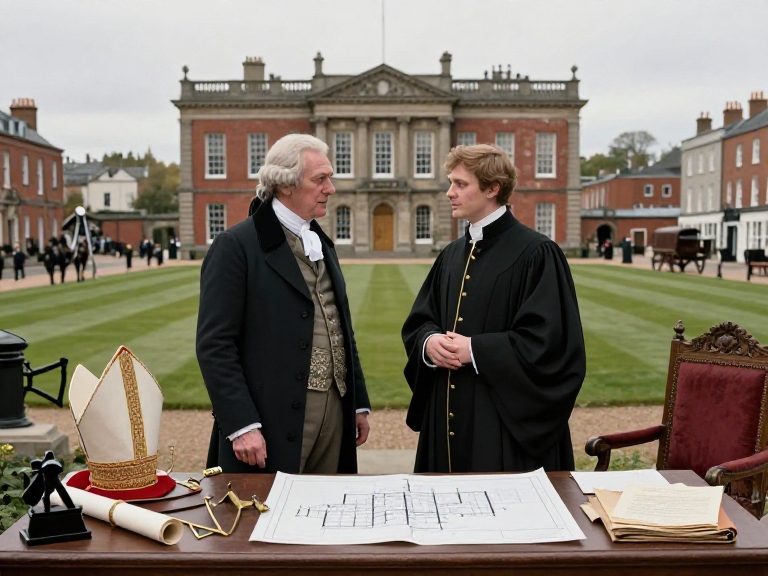
Edmond Sexten Pery retired as Speaker of the Irish House.
Dynasty Secured
Edmond Sexten Pery retired as Speaker of the Irish House of Commons in 1785 after fourteen years in one of the most influential offices in Irish political life. The Commons unanimously appealed to the lord lieutenant to obtain a royal honour for him, acknowledging his authority, parliamentary skill and long public service. The Crown responded by creating him Viscount Pery of Newtown Pery, permanently linking his title with the Georgian district he had helped establish in Limerick. The honour elevated a local political and property-owning family into the peerage while commemorating the urban development that had transformed the city’s southern expansion.
View Record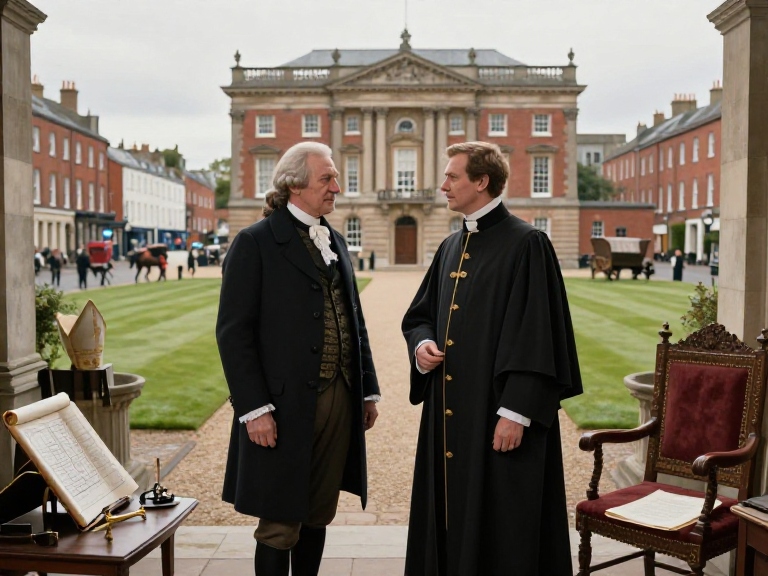
Edmond Sexten Pery emerged as one of the most accomplished.
Georgian Vision
Edmond Sexten Pery emerged as one of the most accomplished Irish parliamentarians and urban improvers of the eighteenth century. Representing Limerick City in parliament, he combined political skill with a practical interest in construction, land development and civic expansion. His election as Speaker of the Irish House of Commons in 1771 placed him in an office of considerable authority during a period when parliamentary procedure, patronage and government policy were closely connected. Returned to the chair three times, Pery remained Speaker until 1785 and used his standing in Dublin to advance measures and obtain public funding that benefited Limerick.
View Record
Edmond Pery successfully asserted a remarkable inherited privilege in 1677.
Civic Inheritance
Edmond Pery successfully asserted a remarkable inherited privilege in 1677 when he claimed two votes in Limerick’s common council. The right was traced through the Sexten family to the former priors of St Mary’s, whose religious property and privileges had passed into private ownership following the dissolution of the monasteries. Pery argued that succession to those lands carried political rights as well as rents and property. His achievement gave the family an unusual position within Limerick’s civic government, where elections for the mayor and common councillors shaped the distribution of authority among merchants, aldermen and established urban families.
View Record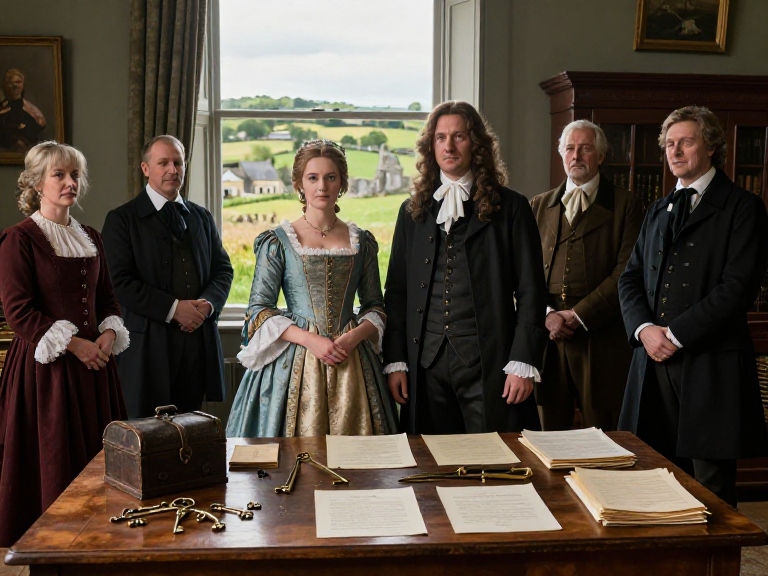
The landed inheritance that later sustained the Pery family’s influence.
Estates United
The landed inheritance that later sustained the Pery family’s influence in Limerick was assembled through a succession of marriages connecting the Sexten, Pery, Stacpole, Twigg and Wray families. Susannah Sexten, who died in 1671, was the only daughter of Edmond Sexten and eventually inherited the property of his grandson, another Edmond. Her marriage to Edmond Pery of Croom brought the Sexten estates into the Pery family. Those lands included former religious property in and around Limerick, giving their descendants wealth, rents and a territorial position that would profoundly influence the city’s later development.
View Record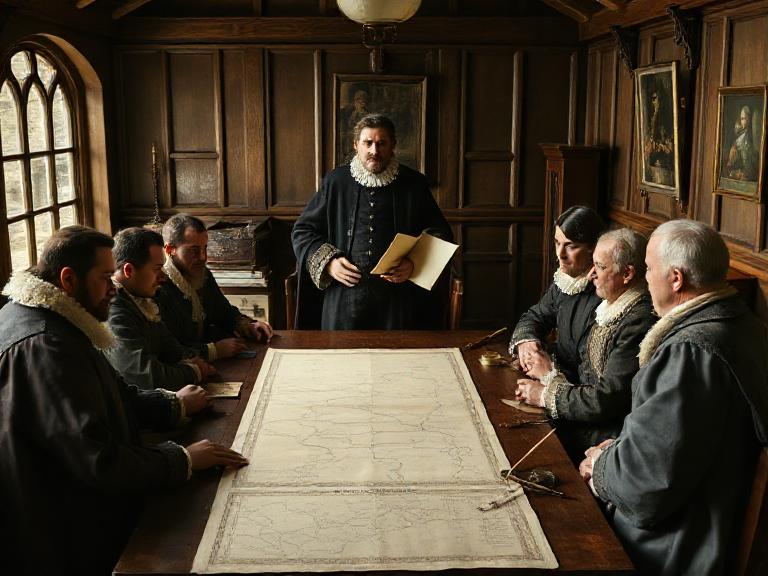
Edmond Sexten inherited his family’s extensive Limerick property around 1594.
Civic Defiance
Edmond Sexten inherited his family’s extensive Limerick property around 1594 and became one of the most powerful, persistent and controversial figures in the city’s early seventeenth-century government. A grandson and namesake of the Tudor mayor who had acquired the former lands of St Francis’s and St Mary’s religious houses, Sexten served as an alderman, held the mayoralty several times and repeatedly occupied the office of high sheriff. His municipal service did not produce harmony with Limerick Corporation. Instead, much of his adult life was consumed by arguments over whether his inherited lands stood inside or beyond the authority of the city’s mayor and council.
View Record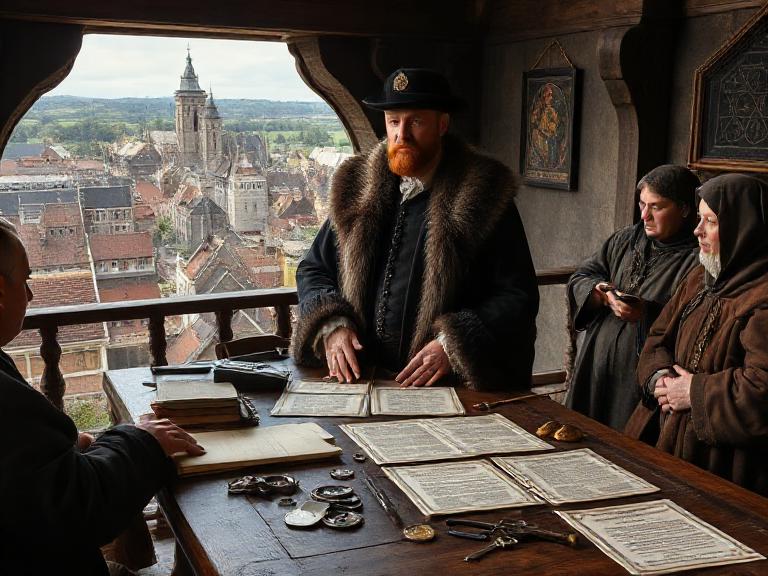
The Pery family’s rise in Limerick began not with the.
Pery Foundations
The Pery family’s rise in Limerick began not with the Georgian streets that later carried its name, but with land accumulated during the Tudor dissolution of Ireland’s religious houses. William Pery, who died in Limerick around 1635, appears to have been the first member of the family to settle permanently in Ireland. The more consequential ancestor, however, was Edmond Sexten, mayor of Limerick in 1535. Through political skill, royal service and his relationship with the English court, Sexten obtained property that would remain within his descendants’ inheritance and eventually shape the physical expansion of Limerick city.
View Record
Thomas Wrigley Grimshaw, physician, public-health reformer and former registrar-general for.
Statistician Dies
Thomas Wrigley Grimshaw, physician, public-health reformer and former registrar-general for Ireland, died at his residence in Carrickmines, County Dublin, on 23 January. Born near Belfast in 1839, he had spent much of his professional life examining the relationship between disease, poverty, housing and mortality. His death removed one of the country’s most influential medical statisticians at a time when Irish towns still faced recurring epidemics, tuberculosis, overcrowding and poor sanitation. Grimshaw believed that accurate records of births, deaths and illnesses could reveal conditions that anecdote, prejudice and political argument often concealed.
View Record
Maurice Joseph MacGonigal was born in Ranelagh, Dublin, on 22.
Painter Born
Maurice Joseph MacGonigal was born in Ranelagh, Dublin, on 22 January 1900, the only son and third child of Francis MacGonigal and Caroline Lane. His father was a painter and decorator from County Sligo, while his mother belonged to a family already connected with Irish craftsmanship and art. Growing up within that environment exposed him to colour, design and skilled manual work long before he entered formal training. The child born in suburban Dublin would eventually become an influential painter, teacher and administrator whose landscapes, portraits and scenes of Irish life secured him a prominent place in twentieth-century Irish art.
View Record