
Dynasty Secured(c.1780s)
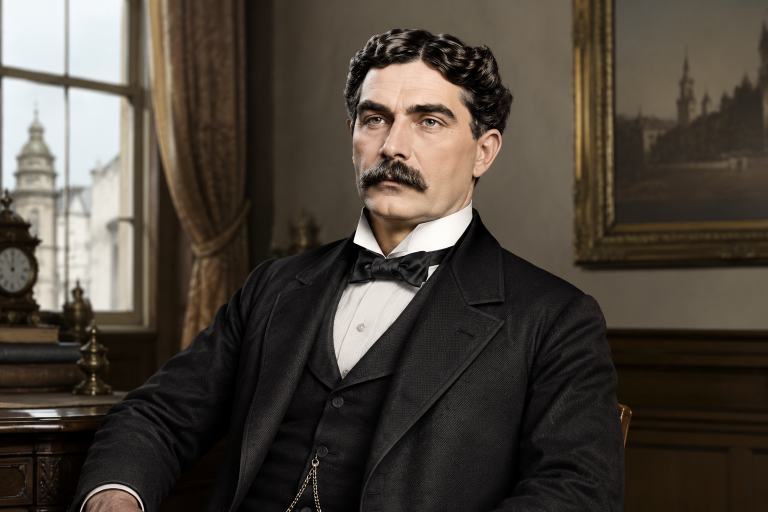
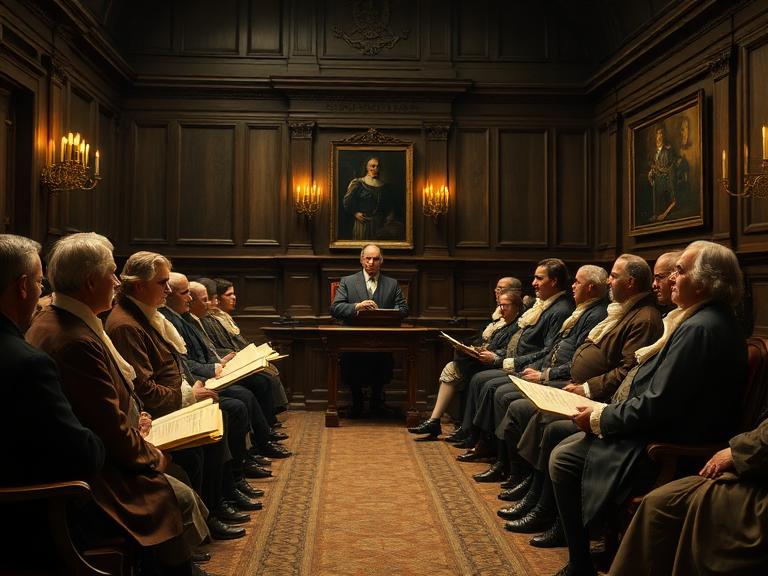
Edmond Sexten Pery retired as Speaker of the Irish House of Commons in 1785 after fourteen years in one of the most influential offices in Irish political life. The Commons unanimously appealed to the lord lieutenant to obtain a royal honour for him, acknowledging his authority, parliamentary skill and long public service. The Crown responded by creating him Viscount Pery of Newtown Pery, permanently linking his title with the Georgian district he had helped establish in Limerick. The honour elevated a local political and property-owning family into the peerage while commemorating the urban development that had transformed the city’s southern expansion.
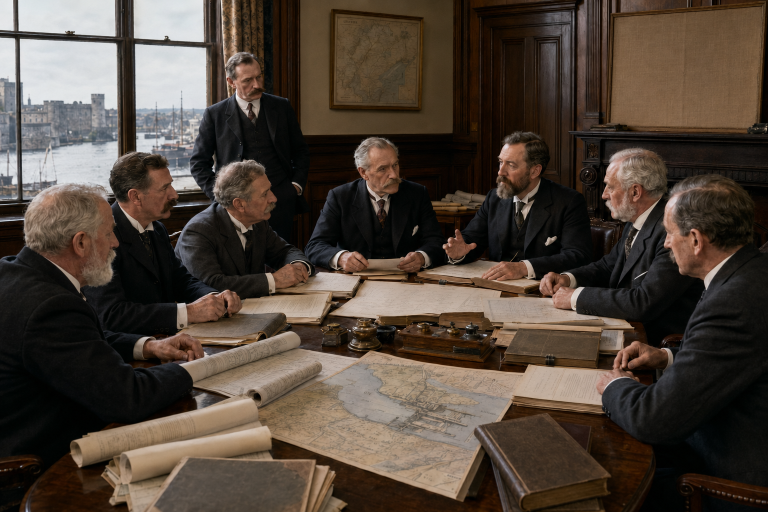
Pery had married twice but had no surviving son to inherit and continue his title. The Viscountcy would therefore expire with him, leaving the family’s dynastic future dependent upon the descendants of his younger brother, the Reverend William Cecil Pery. The brothers had followed different but complementary routes to influence. Edmond dominated parliamentary and civic affairs, while William advanced through the Church of Ireland. The Speaker’s patronage and political connections assisted that progress, demonstrating how ecclesiastical appointments, parliamentary influence and family ambition frequently operated together within the governing establishment of eighteenth-century Ireland.
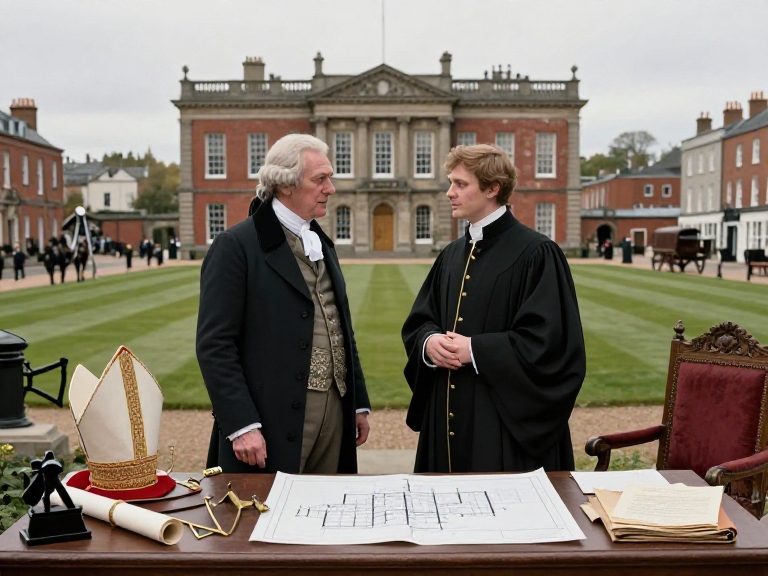
William Cecil Pery began his clerical career with St John’s in Limerick and Kilkeedy in County Limerick, benefices he held together. He was promoted to the deanery of Killaloe in 1772 and then to the more distant deanery of Derry in 1780. The following year he became bishop of Killala and Achonry. His advancement culminated in 1784 when he was translated to the bishopric of Limerick, Ardfert and Aghadoe. Returning as bishop to the city where his family’s power was concentrated fulfilled a major dynastic ambition and placed ecclesiastical authority beside the Perys’ political and landed influence.
The new bishop soon left the old episcopal residence on King’s Island for a substantial palace in Henry Street, Newtown Pery. The red-brick Palladian house, built within the developing Georgian quarter, stood beside the residence later occupied by the Pery family itself. Its position demonstrated how the family’s urban planning, political connections and church appointments reinforced one another. The bishop’s move also shifted an important institution away from the medieval city and into the expanding district created upon Pery land. Henry Street became a visible centre of clerical, aristocratic and family power within the modernising streetscape of Limerick.
William Cecil Pery received his own peerage in 1790 when he was created Baron Glentworth of Mallow. The title preserved the family’s connection with the Wray inheritance and ensured that a hereditary dignity would pass through his male descendants. When he died in 1794, the barony descended to his son Edmond Henry Pery, who later became Earl of Limerick. The political Speaker without a male heir and the bishop assisted by family patronage had together secured the dynasty’s future. Their titles, residences and street names remained embedded within Newtown Pery, making the Georgian quarter a lasting record of family ambition.
Primary Sources
- National Library of Ireland, The Limerick Papers, Collection List No. 121, introduction describing Edmond Sexten Pery’s retirement, creation as Viscount Pery and William Cecil Pery’s ecclesiastical career.
- National Library of Ireland, Manuscript 41,679, papers concerning William Cecil Pery’s clerical appointments, family patronage and advancement within the Church of Ireland.
- Journals of the Irish House of Commons, 1785, proceedings concerning Edmond Sexten Pery’s retirement as Speaker and the unanimous address requesting a royal mark of favour.
- Church of Ireland episcopal and cathedral records concerning William Cecil Pery’s appointments as Dean of Killaloe, Dean of Derry, Bishop of Killala and Achonry, and Bishop of Limerick, Ardfert and Aghadoe.
- National Inventory of Architectural Heritage, The Bishop’s Palace, 104 Henry Street, Limerick, record of the former residence built for William Cecil Pery within Newtown Pery.