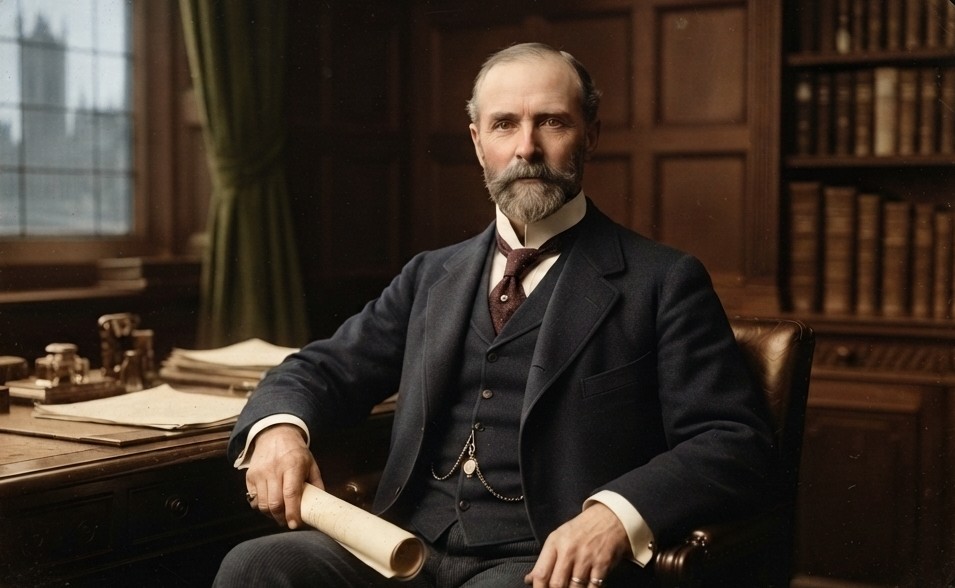
Tim Healy remained one of the most influential yet troublesome.
Difficult Ally
Tim Healy remained one of the most influential yet troublesome figures involved in the effort to reunite Ireland’s divided parliamentary nationalists during January 1900. A formidable barrister, experienced Member of Parliament and devastating political speaker, Healy possessed an authority that could not easily be ignored. He had opposed Charles Stewart Parnell during the leadership crisis of 1890 and subsequently quarrelled with leading anti-Parnellites, particularly John Dillon. By the end of the decade, Healy commanded his own following of MPs and local activists. Any credible agreement restoring nationalist unity therefore required his cooperation, even though many former colleagues distrusted his intentions and feared his independence.
View Record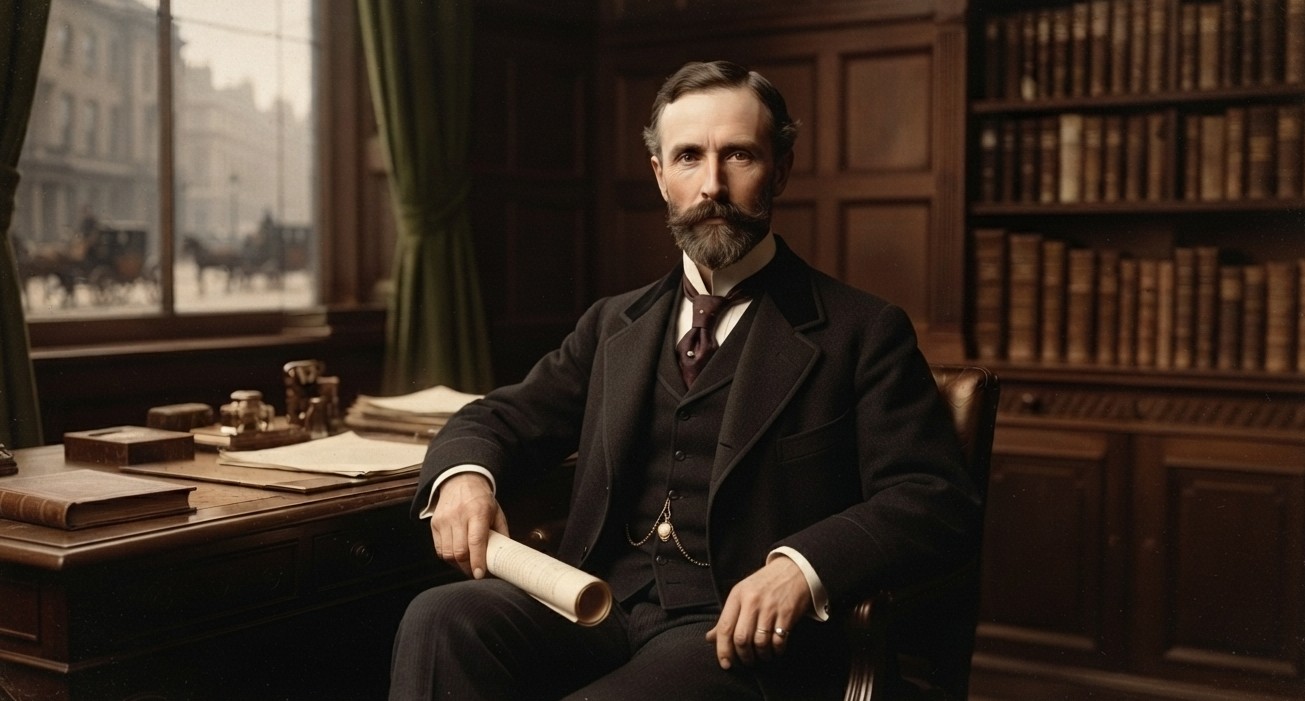
John Dillon’s supporters debated the conditions under which parliamentary discipline.
Discipline Debated
John Dillon’s supporters debated the conditions under which parliamentary discipline could be restored as negotiations advanced towards reunion among Ireland’s constitutional nationalists. Dillon led the Irish National Federation, the larger anti-Parnellite organisation created after the Irish Parliamentary Party divided over Charles Stewart Parnell’s leadership in 1890. Nearly a decade of separate committees, competing election funds and bitter personal rivalries had left nationalist MPs unable to reproduce the cohesion once associated with Parnell. Dillon’s followers wanted unity, but many were reluctant to accept an agreement that might weaken their majority or revive the authority of former Parnellites without firm organisational safeguards.
View Record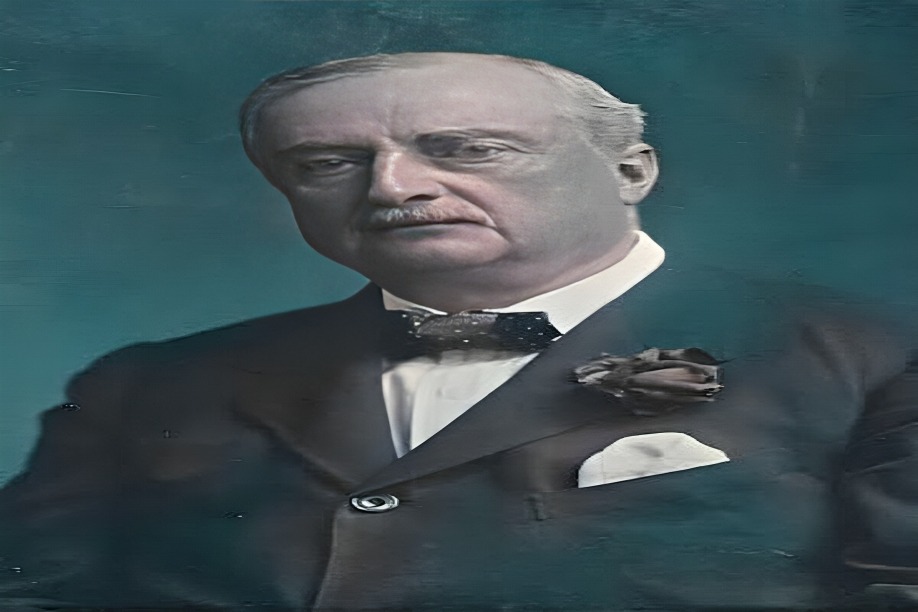
John Redmond’s Parnellite followers opened formal communications with their former.
Reunion Negotiations
John Redmond’s Parnellite followers opened formal communications with their former anti-Parnellite opponents as pressure intensified to repair the divisions created by the fall of Charles Stewart Parnell. Since the parliamentary split of 1890, Irish constitutional nationalism had broken into competing groups whose leaders differed over authority, organisation and political strategy. Redmond led the principal Parnellite body, John Dillon commanded much of the anti-Parnellite majority, and Timothy Healy exercised influence through a separate following. Years of rivalry had weakened nationalist discipline at Westminster and frustrated supporters who believed that factional quarrels were obstructing Home Rule and land reform.
View Record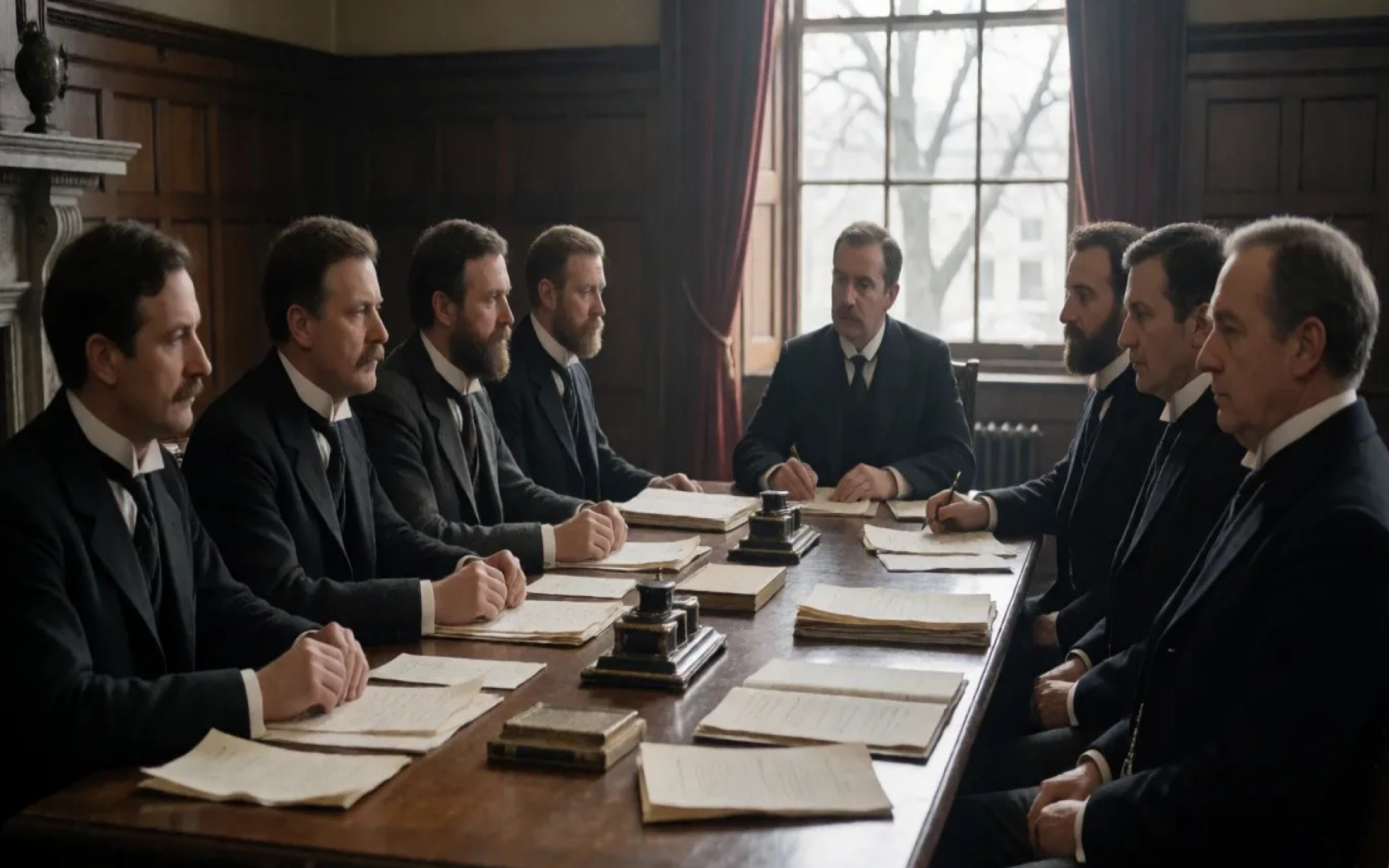
John Redmond’s Parnellite followers entered formal discussions with their former.
Reunion Talks
John Redmond’s Parnellite followers entered formal discussions with their former anti-Parnellite opponents as pressure mounted to end nearly a decade of nationalist division. Redmond had led the minority that remained loyal to Charles Stewart Parnell after the Irish Parliamentary Party split in December 1890. The larger anti-Parnellite body was principally associated with John Dillon, while Timothy Healy commanded another influential grouping. Their separate organisations had competed for authority, funds and electoral support throughout the 1890s, weakening the parliamentary movement and leaving constitutional nationalism without the concentrated leadership it had possessed under Parnell.
View Record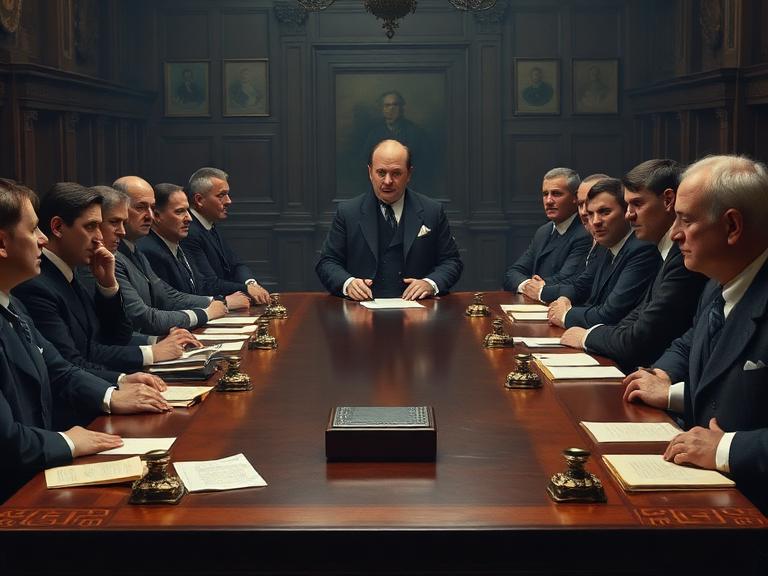
John Redmond emerged during the closing days of January as.
Redmond Favoured
John Redmond emerged during the closing days of January as the principal compromise candidate to lead a reunited Irish Parliamentary Party. His position reflected neither complete trust nor an undisputed personal triumph. Redmond had remained loyal to Charles Stewart Parnell during the political split of 1890 and subsequently led the smaller Parnellite faction. That background made him unacceptable to some former opponents, yet it also placed him outside the bitter rivalries dividing senior anti-Parnellites. As reunion negotiations progressed, delegates increasingly recognised that selecting a leader identified too closely with one majority faction could reopen the quarrel they were attempting to settle.
View Record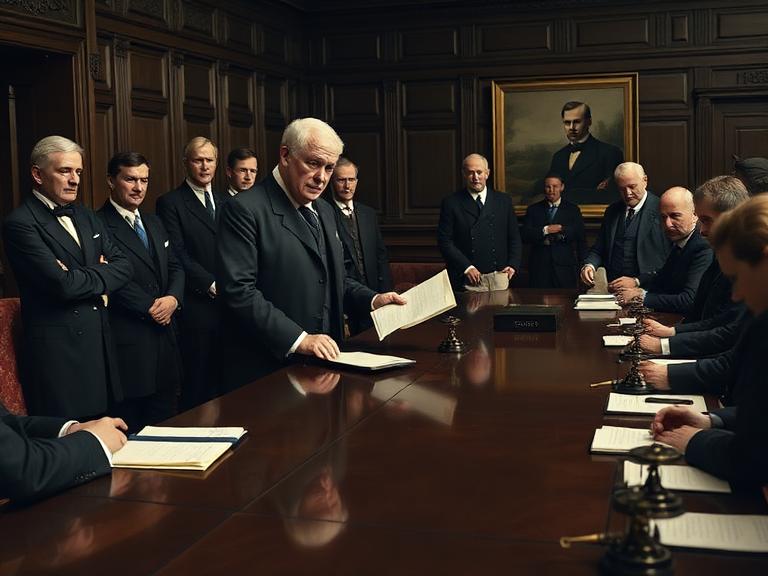
John Dillon confirmed during the closing days of January that.
Dillon Concedes
John Dillon confirmed during the closing days of January that he was prepared to relinquish any personal claim to the leadership of a reunited nationalist parliamentary movement. As chairman of the Irish National Federation and the most influential figure among the majority anti-Parnellites, Dillon might reasonably have expected to compete for control of the restored party. His decision indicated that the negotiations had moved beyond symbolic reconciliation towards a practical settlement. After nearly a decade of factional conflict, unity required senior politicians to sacrifice position, prestige and the expectations of supporters who regarded leadership as confirmation that their side had prevailed.
View Record
Dublin newspapers published extensive political and military coverage on 25.
Headlines Divided
Dublin newspapers published extensive political and military coverage on 25 January 1900, placing Ireland’s internal nationalist divisions beside the continuing conflict in South Africa. Reports on the recent Mansion House conference examined attempts to reunite the parliamentary factions separated since the fall of Charles Stewart Parnell. In adjoining columns, readers encountered military dispatches, troop movements and casualty information from a war involving thousands of Irish soldiers. The combination revealed the conflicting pressures shaping Irish public life: demands for national political unity existed alongside intense concern for men serving throughout the British Army and widespread nationalist sympathy for Britain’s Boer opponents.
View Record
Sergeant James Pearson, an Irish-born recipient of the Victoria Cross.
Veteran Dies
Sergeant James Pearson, an Irish-born recipient of the Victoria Cross, died at Poonamallee near Madras on 23 January 1900, aged seventy-seven. Born at Rathdowney in Queen’s County on 2 October 1822, he had spent much of his adult life in India. Pearson first entered military service with the 86th Regiment of Foot, later associated with the Royal Irish Rifles, and rose from private soldier to sergeant. His reputation rested upon two acts of gallantry during the violent Central India campaign of 1858, when British forces fought to suppress the widespread uprising against East India Company rule.
View Record
Lieutenant-Colonel Abraham Boulger, one of Ireland’s earliest recipients of the.
Veteran Dies
Lieutenant-Colonel Abraham Boulger, one of Ireland’s earliest recipients of the Victoria Cross, died at Moate, County Westmeath, on 23 January 1900, aged sixty-four. Born at Kilcullen, County Kildare, on 4 September 1835, he entered the British Army and rose from the ranks during a long career of active service. His reputation rested principally upon his conduct during the Indian Rebellion of 1857, when, as a young lance-corporal in the 84th Regiment of Foot, he repeatedly placed himself in exposed positions during the campaign associated with Cawnpore and the relief and defence of Lucknow.
View Record
Edmond Henry Pery returned from a prolonged Grand Tour determined.
Ambition Rewarded
Edmond Henry Pery returned from a prolonged Grand Tour determined to convert education, family connection and social confidence into political influence. Travelling across continental Europe between approximately 1775 and 1779, he encountered courts, scholars, artists and aristocratic society, corresponding with figures including Sir William Hamilton at Naples and Frederick Hervey, Bishop of Derry. His notebooks recorded European constitutions, treaties, antiquities and works of art, giving the young Limerick heir the polish expected of an ambitious gentleman. When he returned to Ireland, he entered public life as a cosmopolitan aristocrat prepared to use family influence and government loyalty to advance himself.
View Record