Archived: 9 October 2026
Abstract
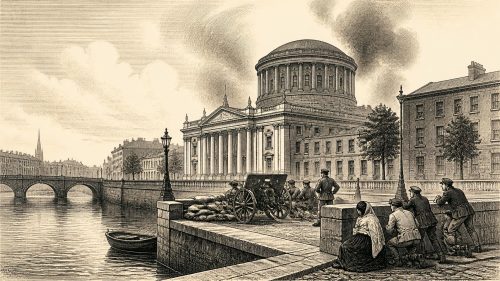
In 1922, Dáil Éireann ratified the Anglo-Irish Treaty, splitting Sinn Féin and the IRA between supporters of dominion status and republican opponents. Michael Collins led the Provisional Government as Northern Ireland remained separate amid continuing sectarian violence. Failed mediation and the anti-Treaty occupation of the Four Courts led to National Army bombardment on 28 June, initiating Civil War. Fighting devastated Dublin, destroyed the Public Record Office’s Record Treasury, and spread nationwide. Arthur Griffith and Collins died in August. Under W. T. Cosgrave, the Free State Constitution established democratic institutions. On 6 December the Free State began; Northern Ireland opted out.
Read Article
Archived: 9 October 2026
Abstract
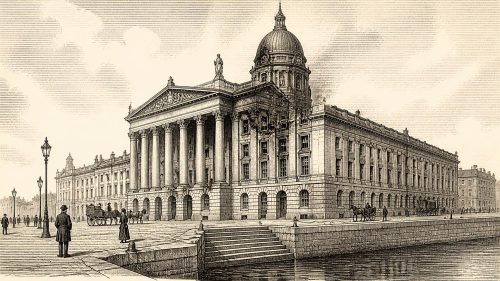
In 1921, Ireland moved from intense War of Independence fighting towards truce and treaty, amid coercion, raids and executions. IRA engagements at Crossbarry and Tourmakeady maintained pressure, while the Custom House burning destroyed records but cost lives and arrests. May elections confirmed Sinn Féin’s southern mandate and established Northern Ireland’s unionist government. The 11 July truce ended principal IRA–Crown operations but not Belfast’s sectarian violence. London negotiations produced the December Anglo-Irish Treaty, creating a dominion Free State while retaining the Crown, partition and British naval facilities. Signed but unapproved, it deeply divided republicans, leaving border, constitutional and security questions unresolved.
Read Article
Archived: 9 October 2026
Abstract
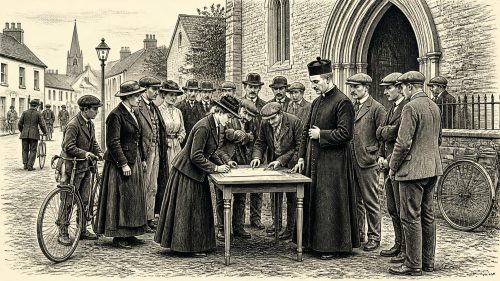
In 1918, Britain’s attempt to impose conscription on Ireland, amid the failure of the Irish Convention, united constitutional nationalists, Sinn Féin, labour, Catholic clergy and local communities. Pledges, a national strike and women’s activism helped make enforcement politically hazardous, while arrests under the alleged German Plot enhanced Sinn Féin’s standing. Simultaneously, influenza caused 10,651 recorded deaths, straining households and institutions. After the Armistice, an expanded electorate voted in December. Sinn Féin won 73 of 105 seats, displacing the Irish Parliamentary Party, although unionism remained strong in the north-east. The year reshaped nationalist politics and foreshadowed Ireland’s subsequent revolutionary political conflict.
Read Article

Archived: 9 October 2026
Abstract
In 1917, electoral victories for Count Plunkett, Joseph McGuinness and Éamon de Valera weakened the Irish Parliamentary Party and demonstrated the appeal of abstentionist nationalism. Willie Redmond’s death at Messines underscored Ireland’s divided wartime experience. Lloyd George’s Irish Convention, meeting in Trinity College, pursued constitutional settlement without Sinn Féin, while unionist safeguards remained central. Thomas Ashe’s death following forcible feeding and his Glasnevin funeral transformed republican mourning into mass political mobilisation. October’s Sinn Féin Ard Fheis united separatist strands under de Valera, alongside Volunteer reorganisation. Wartime shortages, inflation, agricultural profits and state controls sharpened social pressures, making revolutionary crisis likely.
Read Article
Archived: 9 October 2026
Abstract
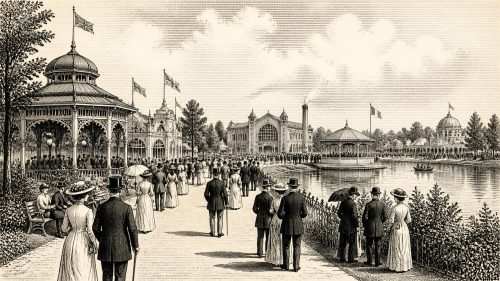
In 1907 Ireland displayed contrasting modernities. Dublin’s Irish International Exhibition at Herbert Park celebrated industry, art and entertainment, while Belfast labour unrest, led by James Larkin, brought transport and docks near paralysis, prompted military intervention and police mutiny. Synge’s Playboy riots exposed disputes over national culture. Birrell’s limited Irish Council Bill collapsed after nationalist rejection, encouraging separatist alternatives. The Evicted Tenants Act and cooperative movement addressed rural hardship, though poverty persisted. Dublin Castle’s Crown Jewels vanished. Marconi’s Clifden station opened wireless links to Canada, illustrating Ireland’s role in technology. Overall, the year revealed stalled constitutional reform, competing visions of progress.
Read Article
Archived: 9 October 2026
Abstract
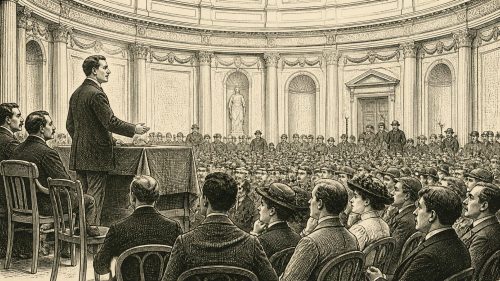
In 1905, Irish politics exposed divisions over government and national identity. George Wyndham resigned after devolution proposals alienated both unionists and nationalists, while the Ulster Unionist Council strengthened northern organisation. On 28 November, the National Council adopted Arthur Griffith’s Sinn Féin policy, advocating Irish institutions, economic self-reliance and withdrawal from Westminster, though not yet republicanism. Land purchase continued, but emigration remained. Disputes over Irish teaching and postal usage demonstrated cultural revival’s political reach. Abbey Theatre productions, scholarly recovery and Belfast’s Presbyterian Assembly Buildings reflected institutional confidence. The A5 submarine disaster at Haulbowline killed six crewmen, bringing naval modernity’s dangers locally.
Read Article
Archived: 9 October 2026
Abstract
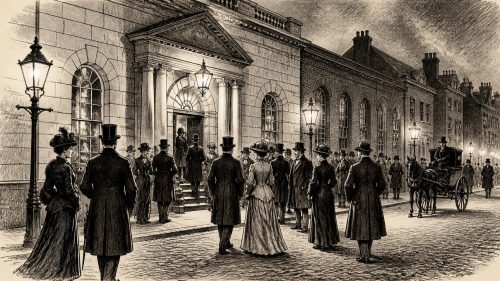
In 1904, Ireland remained under Westminster rule, yet political, economic and cultural initiatives widened debate over its future. Dunraven’s Irish Reform Association advocated limited administrative devolution, while the Irish Parliamentary Party pursued Home Rule and Arthur Griffith promoted Hungarian-inspired national self-reliance. The 1903 Land Act began transferring estates to tenants, alongside co-operative schemes and continuing hardship in congested districts. Gaelic League activities, the first official public camogie match, and the Oireachtas advanced cultural revival. On 27 December the Abbey Theatre opened in Dublin, establishing a permanent national stage. Industrial Belfast contrasted sharply with the mainly agricultural south and west regions.
Read Article




