Archived: 9 October 2026
Abstract
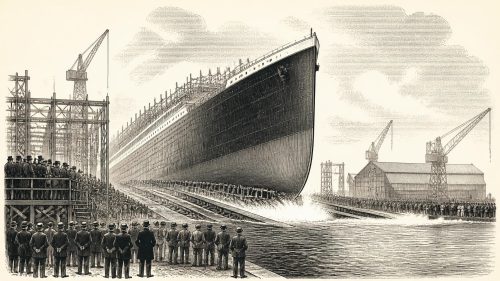
In 1911, Ireland remained under Westminster rule but faced deepening constitutional, social and economic divisions. The census documented continuing population decline through emigration, rural livelihoods, and the mixed fortunes of Irish language revival. The Parliament Act removed the Lords’ absolute veto, making Home Rule more attainable, while Carson’s Craigavon rally demonstrated organised Unionist resistance. Belfast launched Titanic, symbolising industrial strength and Unionist ties to Britain. Labour militancy emerged through Larkin’s Irish Worker and the Wexford lockout. Suffrage organisations expanded women’s public activism. Royal visits and the Parnell monument reflected competing loyalties, as Ireland’s divergent futures became increasingly visible to contemporaries.
Read Article

Archived: 9 October 2026
Abstract
In 1910, two British general elections made John Redmond’s Irish Parliamentary Party essential to Liberal government, increasing prospects for Home Rule without securing it. The Lords’ veto remained intact, while nationalist and unionist divisions persisted. Land reforms strengthened the Congested Districts Board’s capacity to address western poverty, and old-age pensions exposed disputes over proof of age. James Connolly returned from America, reinforcing developing socialist and trade-union politics. The Abbey Theatre, after Annie Horniman withdrew support, faced financial uncertainty while asserting independence. Meanwhile, Kalem filmed The Lad from Old Ireland, linking rural Ireland, emigration and modern transatlantic visual culture for audiences.
Read Article
Archived: 9 October 2026
Abstract
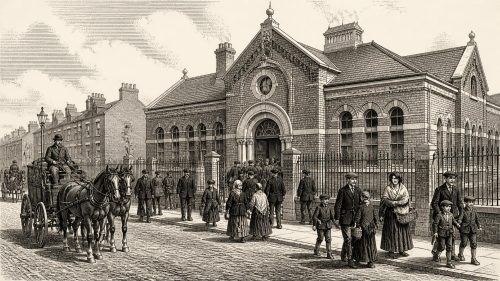
In 1906, Liberal victory left John Redmond’s Irish Parliamentary Party hopeful but unable to secure Home Rule, while James Bryce pursued administrative reform. The Labourers (Ireland) Act empowered local authorities to build cottages and plots, laying foundations for rural security. Dublin’s Iveagh Trust Baths expanded washing and recreation facilities, and licensing legislation restricted drinking hours. University education remained divided after Catholic bishops rejected a mixed Trinity arrangement. Cultural nationalism gained visibility through Douglas Hyde and Peter O’Connor’s Athens protest. Michael Davitt’s death recalled the Land War generation. The year exposed constitutional, social, religious and national tensions while creating welfare institutions.
Read Article
Archived: 9 October 2026
Abstract
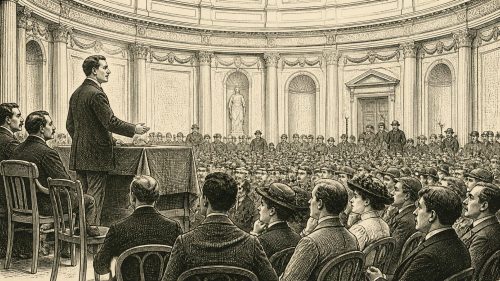
In 1905, Irish politics exposed divisions over government and national identity. George Wyndham resigned after devolution proposals alienated both unionists and nationalists, while the Ulster Unionist Council strengthened northern organisation. On 28 November, the National Council adopted Arthur Griffith’s Sinn Féin policy, advocating Irish institutions, economic self-reliance and withdrawal from Westminster, though not yet republicanism. Land purchase continued, but emigration remained. Disputes over Irish teaching and postal usage demonstrated cultural revival’s political reach. Abbey Theatre productions, scholarly recovery and Belfast’s Presbyterian Assembly Buildings reflected institutional confidence. The A5 submarine disaster at Haulbowline killed six crewmen, bringing naval modernity’s dangers locally.
Read Article

Archived: 9 October 2026
Abstract
In 1902, Ireland remained under United Kingdom rule, but the land question prompted an important shift towards conciliation. Following failed proposals and public initiatives by Lindsay Talbot Crosbie and Captain John Shawe-Taylor, landlord and tenant representatives met at Dublin’s Mansion House on 20 December. Chaired by Lord Dunraven, the conference explored voluntary land transfer, without resolving matters before year’s end. Agriculture, co-operation and official improvement shaped rural change, while regional economic differences persisted. Cultural nationalism also flourished through Cathleen ni Houlihan, Gaelic League events and Arthur Griffith’s abstentionist ideas. James Joyce’s departure for Paris suggested emerging cosmopolitan new literary ambitions.
Read Article
Archived: 9 October 2026
Abstract
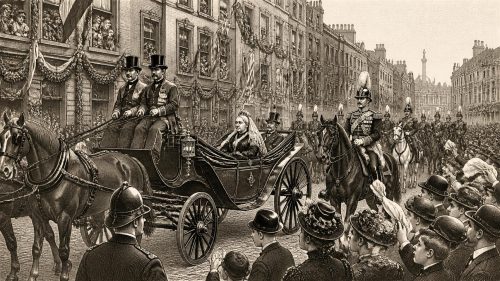
In 1900, Ireland remained under the Union, but competing imperial, nationalist, economic and cultural forces markedly intensified. Queen Victoria’s final Dublin visit and creation of the Irish Guards highlighted Irish participation in the Boer War, while nationalists opposed British rule and sympathised with the Boers. John Redmond reunited the Irish Parliamentary Party, which won most Irish seats, though restricted voting, uncontested constituencies and unionist government limited its effect. Horace Plunkett’s new agricultural department promoted rural improvement and co-operation. Nationalist women, Gaelic League activists and theatre practitioners expanded cultural organisation. Oscar Wilde died in Paris, a Dublin-born writer of global stature.
Read Article
Archived: 9 October 2026
Abstract
In 1896, Ireland saw no single decisive crisis, but several developments foreshadowed later change. Alice Milligan and Anna Johnston launched Belfast’s Shan Van Vocht, promoting cultural nationalism, women’s participation and 1798 commemoration. Home Rule remained divided and politically stalled under John Dillon and John Redmond. The Land Law Act advanced tenant purchase without ending rural inequality. James Connolly helped found the Irish Socialist Republican Party, linking independence with workers’ interests. Maynooth gained pontifical university status. Dublin opened its first electric tram service, while Belfast’s industry prospered unevenly. Discovery of the Broighter Hoard connected contemporary cultural revival with Ireland’s ancient past.
Read Article
Archived: 9 October 2026
Abstract
In 1895, the fall of Lord Rosebery’s Liberal government ended immediate hopes of Home Rule, while the general election confirmed nationalist strength but exposed continuing division after the Parnell split. Gerald Balfour became chief secretary amid unresolved land grievances, limited purchase reform and persistent rural inequality. Horace Plunkett launched negotiations for the cross-party Recess Committee, promoting agricultural cooperation, technical education, credit and industry; its later achievements were not yet assured. The Irish Homestead and early Gaelic League records reflected growing economic and cultural organisation. John Daly’s election highlighted political imprisonment, while Oscar Wilde’s conviction and imprisonment marked devastating cultural loss.
Read Article
Archived: 9 October 2026
Abstract
Amid stalled Home Rule and unresolved land grievances, 1894 saw Ireland develop new forms of collective organisation. Gladstone’s resignation, the Lords’ rejection of Home Rule and the Evicted Tenants Bill, and the Irish Parliamentary Party split exposed constitutional nationalism’s weakness, while a financial-relations commission acknowledged fiscal concerns. Administrative shortcomings persisted, including local democracy and poor-rate oversight. In April Horace Plunkett’s Irish Agricultural Organisation Society began coordinating rural co-operation, promoting creameries, collective marketing and expertise. Dublin’s Irish Trades Union Congress and May Labour Day demonstration gave organised workers a forum. Compulsory school attendance expanded unevenly, while Æ’s poetry reflected cultural revival.
Read Article

Archived: 9 October 2026
Abstract
In 1893, Gladstone’s second Home Rule Bill proposed an Irish legislature within the Union, retaining Westminster supremacy, imperial responsibilities and Irish representation. Despite Commons approval, it was overwhelmingly rejected by the Lords, exposing constitutional limits and intensifying unionist fears. On 31 July, Douglas Hyde, Eoin MacNeill and others founded the non-sectarian Gaelic League in Dublin to revive spoken Irish through classes, publications and branches, amid language decline. The year also reflected religious and social organisation: Archbishop Michael Logue became cardinal, St Mel’s Cathedral was consecrated, Margaret Lyttle began a girls’ club, and the National Labour League highlighted rural workers’ grievances.
Read Article
Archived: 10 October 2026
Abstract
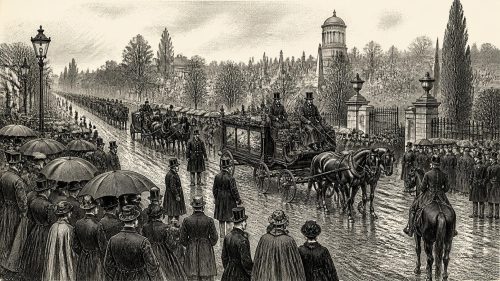
In 1891, the Parnell split dominated Irish politics as anti-Parnellites organised in the Irish National Federation, won North Sligo and Carlow, and gained episcopal support. Parnell defended Irish independence, married Katharine O’Shea, addressed his last major meeting at Creggs, and died in Brighton; his Glasnevin funeral drew vast crowds. The Purchase of Land Act strengthened tenant purchase and created the Congested Districts Board to address western poverty. The census recorded continuing population decline, driven by emigration and limited rural opportunity. Meanwhile, the Irish Daily Independent began publication, Wilde published Dorian Gray, Stephens returned, and Redmond’s Waterford victory preserved minority Parnellism.
Read Article
Archived: 10 October 2026
Abstract
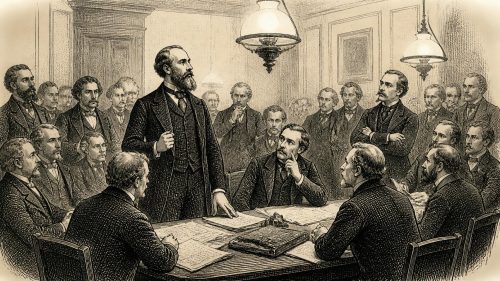
In 1890, Charles Stewart Parnell emerged largely vindicated from the Special Commission, but his leadership of the Irish Parliamentary Party collapsed after Captain O'Shea's divorce case exposed his relationship with Katharine O'Shea. Gladstone warned that retaining Parnell endangered Liberal support for Home Rule, while Catholic bishops opposed him. In Committee Room 15, forty-five MPs abandoned Parnell, leaving twenty-eight supporters and dividing nationalism for the decade. Meanwhile, land, labour and food insecurity persisted, despite Davitt's activism. Belfast's market, Derry's Guildhall and Dublin's museum signalled civic development, whereas removal of Inishbofin remains exposed exploitative Victorian anthropology and unequal institutional power over bodies.
Read Article

Archived: 10 October 2026
Abstract
In 1886, Gladstone’s First Home Rule Bill offered Ireland limited self-government under the Crown, but Liberal divisions defeated it and strengthened Conservative and Unionist politics. Elections sharpened nationalist and unionist electoral blocs, particularly in Ulster. Belfast suffered prolonged sectarian riots, causing 31 deaths and exposing communal insecurity. Rural hardship persisted amid falling agricultural prices, emigration and increased poor relief. In October, John Dillon and William O’Brien launched the Plan of Campaign, organising tenants to seek collective rent reductions and support evicted families, despite Parnell’s reservations. Labourers’ and tramway legislation continued modest reform, while Yeats’s early publication indicated enduring cultural activity.
Read Article
Archived: 10 October 2026
Abstract
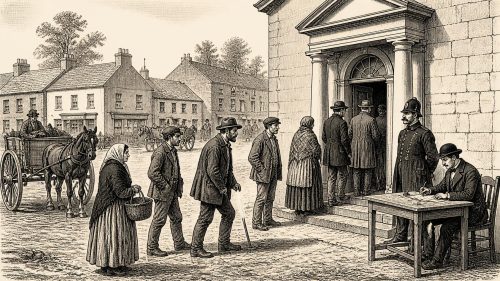
In 1885, Ireland’s land and constitutional politics were reshaped. The first Ashbourne Act authorised £5 million for state-backed tenant purchases, advancing the shift from landlordism, while educational endowments legislation addressed school resources. Lord Salisbury’s minority Conservative government appointed Lord Carnarvon, whose private discussion with Charles Stewart Parnell indicated tentative interest, not commitment, in Irish legislative autonomy. Franchise extension and redistribution enlarged and reorganised constituencies. The Irish National League’s organisation helped Parnellites win 85 of Ireland’s 103 seats, giving their Westminster bloc decisive leverage. Unionist strength persisted in Ulster. Economic contrasts, emigration, and Gaelic Athletic Association rule-making also marked the year.
Read Article

Archived: 10 October 2026
Abstract
In 1880, agricultural failure, falling prices and rent arrears intensified Irish rural distress, prompting relief measures, emigration and debate over tenants’ responsibilities. The general election and Charles Stewart Parnell’s American fundraising strengthened nationalist organisation; his victory over William Shaw established parliamentary leadership. The Lords’ rejection of the limited Compensation for Disturbance Bill deepened distrust of Westminster. Parnell promoted ostracism of those taking evicted farms, exemplified by Captain Boycott’s isolation at Lough Mask, which created the word boycott. Agrarian violence and prosecutions revealed mounting conflict. Meanwhile, the Royal University of Ireland expanded degree access, including for women, linking crisis with change.
Read Article




