


Related Archive: Cearbhall Ó Dálaigh

Presidential Resignation

Presidential Resignation

Archived: 8 October 2026

Abstract

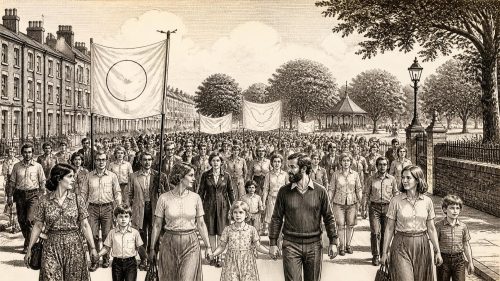
In 1976, Ireland endured intensified Troubles violence, including the Kingsmill massacre, the assassination of British Ambassador Christopher Ewart-Biggs, and continued direct rule in Northern Ireland. The Republic strengthened cross-border criminal co-operation and declared a constitutional emergency, prompting President Cearbhall Ó Dálaigh’s referral of emergency legislation, ministerial insult and resignation; Patrick Hillery succeeded him. Deaths of the Maguire children inspired the Peace People’s mass cross-community marches. Economic recession brought inflation and unemployment, alongside inheritance-tax and family-home reforms. An exceptional drought preceded wildlife legislation. Cultural life included U2’s formation and Maeve Binchy’s play, illustrating resilience amid political, social and environmental nationwide strain.
Read Article

Sunningdale Collapse

Sunningdale Collapse

Archived: 8 October 2026

Abstract

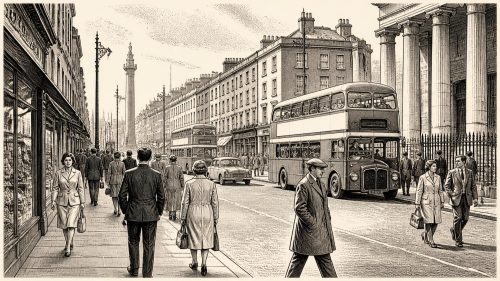
In 1974, Northern Ireland’s Sunningdale power-sharing Executive collapsed after anti-agreement unionist electoral success and the Ulster Workers’ Council strike, restoring direct rule from Westminster. During the strike, loyalist car bombs killed thirty-three people in Dublin and Monaghan, exposing the Republic’s vulnerability; no one was prosecuted. Violence continued across Ireland and Britain, while republicanism fragmented with the formation of the IRSP. Economic disruption, inflation and a lengthy Dublin bus strike burdened daily life. Equal-pay legislation advanced women’s rights, but contraception reform failed. Erskine Childers died, Cearbhall Ó Dálaigh succeeded him, and cultural initiatives persisted amid constitutional crisis and widespread social loss.

Read Article

Your research question is too vague

Please ask a clear question. Name the person, place or event you’re interested in, and add a date or period if you know it.

Example “What happened during the Siege of Limerick in 1691?”