Archived: 10 October 2026
Abstract
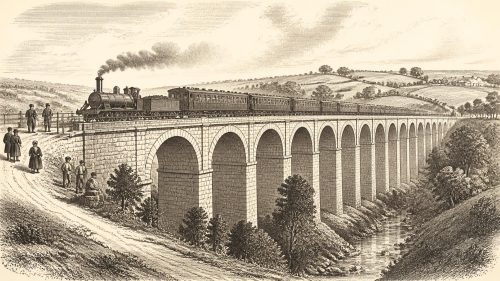
In 1852, post-Famine Ireland remained shaped by depopulation, emigration, poor-law hardship, estate sales and rural insecurity. William Sharman Crawford’s Tenant Right Bill sought recognition of Ulster custom, compensation for improvements and limits on eviction, but failed despite sustained Commons debate. The Tenant Right League united Catholic, Presbyterian and nationalist reformers, securing forty-eight pledged MPs in the July election, though its unity remained fragile. Derby’s government introduced further land bills in November, but fell before settlement. Meanwhile, Craigmore Viaduct opened the Belfast–Dublin route, symbolising industrial investment. Belfast’s British Association meeting also highlighted worsening urban sanitary conditions amid Ireland’s uneven post-Famine transformation.
Read Article
Archived: 12 October 2026
Abstract
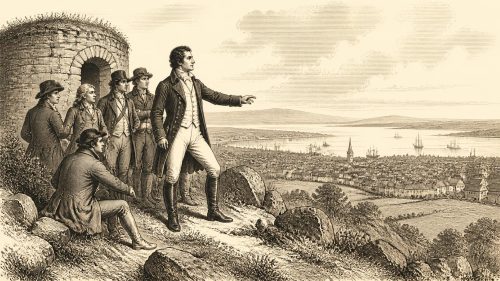
In 1795, wartime Ireland experienced reform, concession and sectarian conflict within its subordinate relationship to Britain. Lord Fitzwilliam’s arrival encouraged Catholic hopes of parliamentary admission, but London recalled him and defeated Grattan’s bill, undermining constitutional reform. United Irish leaders consequently moved further towards clandestine republicanism; Wolfe Tone departed for America seeking French support. Parliament nevertheless founded St Patrick’s College, Maynooth, to train Catholic clergy domestically. In County Armagh, the Battle of the Diamond confirmed Protestant dominance and prompted the formation of the Orange Order, followed by expulsions of Catholics. Routine infrastructure, legal and trade measures continued amid insecurity and polarisation.
Read Article
Archived: 12 October 2026
Abstract
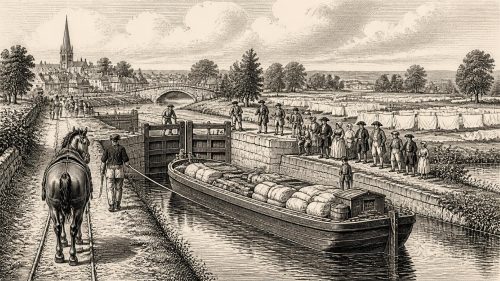
In 1763, Ireland’s expanding economy exposed social and religious inequalities. The Treaty of Paris ended the Seven Years’ War, reshaping imperial trade while restrictions continued to limit Irish commerce, except the linen industry. In Ulster, the Hearts of Oak protested county cess, compulsory road labour, tithes and established-church charges; troops and local concessions contained them. Conversely, the Lagan Navigation opened between Belfast and Lisburn, improving transport for linen and bulk goods while highlighting unequal costs of development. Hugh Percy became lord lieutenant, and the Freeman’s Journal began publishing. Catholic and Presbyterian institutions also developed despite penal laws and Protestant privilege.
Read Article
Archived: 17 October 2026
Abstract
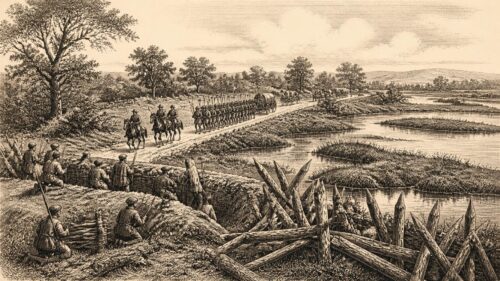
In 1598, the Battle of the Yellow Ford transformed the Nine Years’ War into a crisis for English government in Ireland. On 14 August, a crown army suffered devastating defeat near the River Blackwater in County Armagh. Confederates associated with Hugh O’Neill and Hugh Roe O’Donnell gained confidence, while royal forward positions became harder to maintain. Revolt widened beyond Ulster into Leinster and Munster. The outcome emerged from a year combining warfare, negotiation and political manoeuvre, rather than inevitable rebel victory. Yellow Ford’s significance lay in its consequences: weakened royal strategy, strengthened resistance and an expanding challenge to crown authority.
Read Article




