Archived: 11 October 2026
Abstract
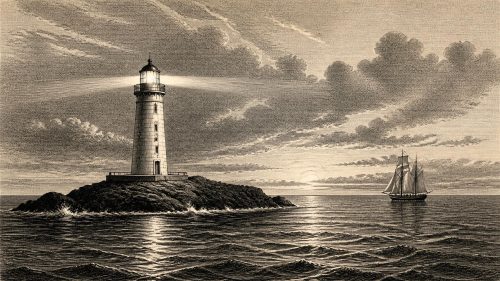
In 1815, Ireland, within the United Kingdom, faced transition from Napoleonic war to peace. Daniel O’Connell’s fatal duel with John D’Esterre heightened his prominence amid Catholic exclusion and Protestant civic power. Waterloo ended wartime demand, exposing agriculture’s dependence on British markets and foreshadowing hardship. New infrastructure included Tuskar Rock lighthouse, Charles Bianconi’s Clonmel–Cahir passenger service, and Cork’s first Irish-built steamship. Catholic public confidence appeared in St Mary’s Pro-Cathedral’s foundation and the Religious Sisters of Charity. The Dublin Society acquired Leinster House, William Drennan published reformist writing, and asylum governance was formalised, revealing Ireland’s changing political, religious, commercial and institutional systems.
Read Article
Archived: 11 October 2026
Abstract
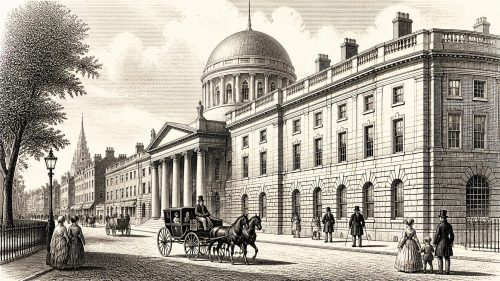
In 1808, seven years after the Union, Ireland experienced political subordination, wartime economic activity and Catholic institution-building. The Bank of Ireland opened in Dublin's former Parliament House, symbolising the loss of domestic legislature and the growing importance of finance and commerce. Catholic petitions, presented by Henry Grattan, sought equality but were overwhelmingly rejected at Westminster; controversy over a proposed royal veto on bishops deepened divisions. Meanwhile, the Patrician and Presentation Brothers were founded, and Cork's North Cathedral was dedicated. Cork Harbour dispatched Wellesley's expedition to Iberia, while Nelson's Pillar foundation and Mary Leadbeater's poetry reflected imperial commemoration and cultural life.
Read Article
Archived: 16 October 2026
Abstract
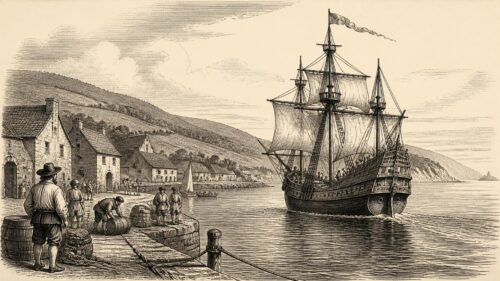
In 1617 Ireland was being reshaped by Atlantic commerce, plantation, religious pressure and cultural debate. Sir Walter Ralegh’s Guiana fleet provisioned at Cork before departing, demonstrating the port’s capacity. The Crown, under Lord Deputy Oliver St John, extended administration through land disputes, grants and titles, including Hamilton’s Strabane barony within the incomplete Ulster Plantation. In Munster, the Barrymore family shifted its seat to Castlelyons. An October proclamation renewed action against Catholic clergy, though Catholic practice endured. Gaelic poets contested regional honour and historical authority, while Barnabe Rich’s satire criticised colonial society. These developments reveal negotiated change rather than settled peace.
Read Article




