
Archived: 16 October 2026
Abstract
In 1624, Lord Deputy Falkland’s government used proclamations to extend royal control over Irish religion, commerce, arms, dress and settlement, although enforcement proved uneven. A January order expelling Catholic clergy was soon suspended, revealing resilient networks sustained by patrons and continental links. Regulations on logwood, cattle markets, customs, weights and measures sought more governable trade and communities. Ulster policy balanced Protestant plantation ambitions with dependence on Irish tenants, while reforms targeted deficiencies in the Londonderry scheme. Elite succession and peerage reinforced crown connections. Ussher and Messingham mobilised Irish Christian history for Protestant and Catholic claims, amid continuing Gaelic cultural debate.
Read Article

Archived: 16 October 2026
Abstract
In 1623, Lord Deputy Viscount Falkland sought to reduce Irish administration’s costs while reinforcing royal control over revenue, land and religion. Correspondence recorded poverty and efforts to improve customs income. June orders promoted Protestant conformity through oaths, regulated school staff and action against recusants, though obedience remained uneven. Malcolm Hamilton’s consecration as Church of Ireland archbishop of Cashel demonstrated reliance on Protestant networks shaped by Ulster settlement; James Ussher’s republished scholarship supported confessional claims. In October, commissioners investigated timber waste in crown-claimed Ranelagh, linking woodland, survey, law and income. These measures reveal tensions beneath apparent peace, not a settled kingdom.
Read Article

Archived: 16 October 2026
Abstract
In 1622, James I’s Irish Commission investigated administration, revenue, courts, church provision, military costs, landholding and plantation policy during the replacement of Lord Deputy Oliver St John by Viscount Falkland. Commissioners documented Ulster’s plantation, where British settlement, construction and Protestant institutions often fell short, while Irish tenants remained important. Complaints revealed insecurity among Gaelic landholders and elites. Falkland arrived in September amid demands for economy and authority. At his inauguration, Bishop James Ussher urged enforcement against recusancy, provoking Catholic opposition and criticism within the Church of Ireland. The year exposed financial weakness, contested power, incomplete colonisation and persistent religious division.
Read Article
Archived: 16 October 2026
Abstract
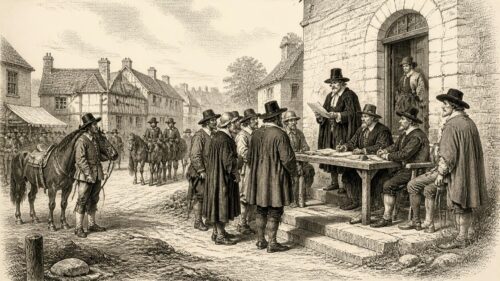
In 1621, Ireland remained unsettled despite the absence of war, as Crown policies on land, religion, revenue and loyalty generated grievances. Parliamentary criticism of Deputy Oliver St John, together with the Pale gentry’s petition, prompted investigations leading towards the Commission of 1622. Plantation patents and the Crown inquest asserting title to Upper Ossory, including Offerlane, extended ambitions beyond Ulster. Preparations to inspect the Ulster Plantation exposed doubts about settlement and administration. James Ussher’s advancement to Meath symbolised strengthened Protestant authority amid Catholicism. Galway’s detention of a privateering vessel revealed Atlantic diplomatic entanglements, while reports of starlings reflected contemporary providential anxieties.
Read Article
Archived: 16 October 2026
Abstract
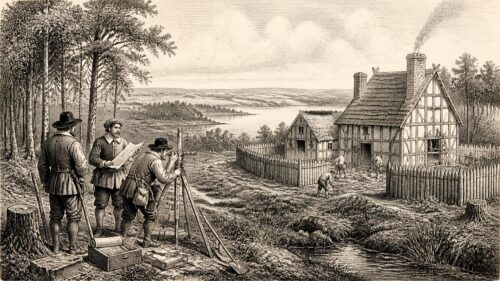
In 1613, the administration intensified its remaking of Ireland through Ulster plantation surveys, municipal charters and a contested parliament. Josias Bodley’s inspection exposed settlement, while London’s Irish Society incorporated Londonderry and developed its county; Belfast and Coleraine gained corporations and parliamentary representation. These boroughs promoted trade and security but supplied Protestant votes. When parliament met in Dublin, conflict over Sir John Davies’s election as Speaker revealed Catholic fears of engineered representation, religious coercion and dispossession. Petitions and a inquiry failed to secure accommodation. Henry Ussher’s death marked change amid conformity. New institutions reshaped land, faith and politics without achieving consent.
Read Article
Archived: 17 October 2026
Abstract
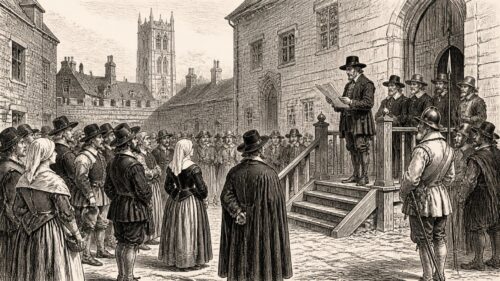
In 1605, Sir Arthur Chichester became lord deputy, seeking to convert victory in the Nine Years’ War into durable royal control through law, land reform, revenue and Protestant conformity. March’s proclamation declared Irish people direct subjects of James I, challenging Gaelic lordship and encouraging fixed rents and tenures. Hamilton’s November grant in County Down foreshadowed Scottish settlement, without constituting the later Ulster Plantation. July’s proclamation expelled Catholic clergy and demanded Church of Ireland attendance, while mandates targeted Dublin Catholics. Administrative changes strengthened Protestant authority. Continental Catholic education and military service across Europe also underscored an uneasy post-war settlement in Ireland.
Read Article

Archived: 17 October 2026
Abstract
In 1592 Hugh Roe O’Donnell escaped Dublin Castle, where he had been held to restrain Ulster alliances, and returned to Tír Chonaill. Supported by his mother Iníon Dubh, Scottish connections and Hugh O’Neill, he became The O’Donnell, resisted garrisons and negotiated a fragile submission at Dundalk. His revival intensified conflicts within Ulster and exposed limits of crown authority. In Dublin, Elizabeth I chartered the College of the Holy and Undivided Trinity on the former All Hallows priory, to educate Protestant clergy and officials. Meanwhile, Catholic diplomacy with Spain heightened anxieties. These developments foreshadowed wider political, religious and military confrontation ahead.
Read Article

Archived: 17 October 2026
Abstract
In 1590, Hugh Roe MacMahon’s execution after a manipulated Monaghan trial signalled the Tudor government’s determination to replace Gaelic lordship with courts, garrisons and Crown-controlled landholding. Sir Richard Bingham’s campaigns in Connacht and Breifne secured hostages, devastated O’Rourke territory and established a strategic fort, though resistance revived. In Tyrconnell, Donnell O’Donnell’s death at Doire Leathan strengthened Hugh Roe’s eventual claim while he remained imprisoned. Sorley Boy MacDonnell died, prompting renewed territorial conflict, and Hugh O’Neill eliminated a dynastic rival. Despite warfare, learned culture and commercial development persisted. Ireland remained politically fragmented, as Crown expansion encountered resilient local powers across Ireland.
Read Article




