Archived: 12 October 2026
Abstract
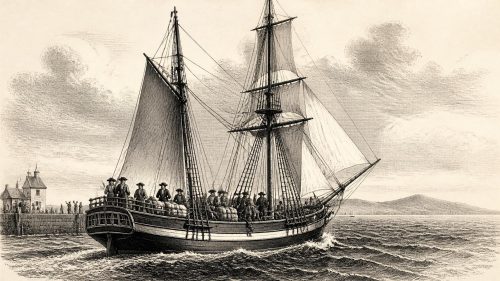
In 1758, Ireland’s administration relied on proclamations while parliament was repeatedly postponed, revealing tensions over property, livestock and authority. Dublin’s Wide Streets Commissioners became operational, and Grand Canal construction continued, signalling improvement schemes. War shaped fast days and maritime quarantine, while the Dublin Trader wreck killed the Earl of Drogheda, his son and actor Theophilus Cibber. Land reclamation at Ballyconneely and Lucan’s sulphurous spring reflected efforts to exploit landscape. Richard Pococke noted Killarney’s improving inns but Timoleague’s poverty. Mary Shackleton’s birth at Ballitore linked the year to a Quaker chronicler. Records show Ireland reshaped by movement, development, commerce and vulnerability.
Read Article

Archived: 26 September 2026
Abstract
1179 Ireland remained politically fragmented despite Henry II’s overlordship, Ruaidrí Ua Conchobair’s western influence, and expanding lordships under Hugh de Lacy and John de Courcy. Laurence O’Toole attended the Third Lateran Council, became papal legate, secured Dublin’s privileges, and convened Clonfert synod to advance church reform against lay control. Henry reprimanded de Lacy following Irish complaints, but settlement continued. In the north, a relic-sworn peace at Ardstraw ended in treacherous killings and devastation. Fires damaged Armagh and several church centres. Annals recorded famine, warfare and destructive snow, exposing vulnerable rural communities amid religious reform, diplomatic engagement, and enduring political instability.
Read Article





