
Archived: 25 October 2026
Abstract
In 1274 Connacht suffered a rapid succession crisis after the death of Áed mac Fedlimid Ua Conchobair, a powerful king who had resisted Gaelic and Anglo-Norman opponents. Eogan mac Ruaidrí succeeded him but was killed by kin in Roscommon’s friars’ church after three months. Áed mac Cathail Dall then ruled for a fortnight before being killed at Grainsech Sruthra, leaving Tadc mac Toirrdelbaig king. Elsewhere, deaths and killings altered lordship in Brefne, Annaly and Dartry. Dublin’s forces were defeated at Glenmalure, while Edward I’s coronation and Thomas de Clare’s arrival linked Ireland to Plantagenet politics. The year revealed fragmented power.
Read Article
Archived: 25 October 2026
Abstract
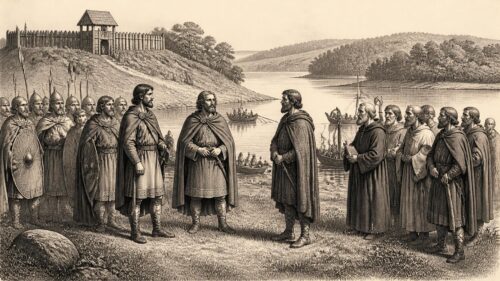
In 1258, Brian Ua Néill secured recognition at Cáeluisce from Connacht and Thomond leaders as king of the Gaels of Ireland, though this alliance neither unified Ireland nor ended regional rivalries. Hostage arrangements and conflict in Breifne exposed unstable lordship. English pressure prompted defensive destruction of ecclesiastical sites, while war in the south devastated settlements and crops. Hebridean raiders defeated Connacht’s sheriff after seizing valuable maritime cargo. Separate Gaelic-English peace talks demonstrated pragmatic local politics. Church life continued through episcopal changes, Armagh’s papal pallium, Dominican commemoration and a Franciscan foundation at Clane, amid enduring political and economic uncertainty across Ireland.
Read Article

Archived: 26 September 2026
Abstract
1198 in Ireland saw contested succession, ecclesiastical change and continuing regional conflict, though annalistic sources disagree over dates. Ruaidrí Ua Conchobair died around 1198–99 after retirement, symbolising the decline of an older high-kingship amid divided Connacht and entrenched English lordship. Cathal Carrach killed a dynastic rival, while a temporary peace with Cathal Crobderg sought to restrain their struggle. Gilla-Crist Ua Cernaigh succeeded Gilla Mac Liac Ua Brenáin as comarba of Colum Cille, affirming northern church authority. A castle at Ardpatrick reflected expanding lordship. Gaelic rulers, churches and Anglo-Norman magnates retained competing power across a politically fragmented island during this period.
Read Article

Archived: 26 September 2026
Abstract
In 1191, Ireland experienced political fragmentation, local violence and severe environmental disruption. Ruaidrí Ua Conchobair, the displaced former king of Connacht, travelled north and apparently sought wider support to recover power after dynastic conflict, but gained land rather than a decisive coalition. In Munster, Muirchertach son of Cathal Odar was treacherously killed by incoming Anglo-Norman forces, illustrating unstable frontier relations. Annals also record construction of Rath-cuanartaigh castle and deaths of prominent churchmen. Most notably, a great wind destroyed churches, homes and woodland, killing people and livestock, exposing communities’ dependence on vulnerable material resources amid competing Gaelic and foreign rival lordships.
Read Article
Archived: 26 September 2026
Abstract
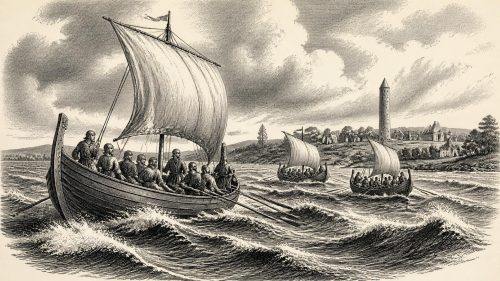
In 1190, Ireland’s politics combined dynastic conflict, local warfare, diplomacy and religious patronage. In Connacht, Cathal Crobderg and Cathal Carrach Ua Conchobair negotiated an inconclusive truce at Clonfert, mediated by churchmen, before a storm on Lough Ree drowned Cathal Crobderg’s son and leading followers. Rival branches of the dynasty remained violent. In Desmond, Domnall mac Carthaig defeated foreign raiders, recovered their spoil and secured peace with Domnall Mór Ua Briain of Thomond. Foundations or endowments at Knockmoy and possibly Killone demonstrated rulers’ religious and political ambitions. Anglo-Norman lordships expanded, but Gaelic rulers and institutions remained decisive across much of Ireland.
Read Article
Archived: 26 September 2026
Abstract
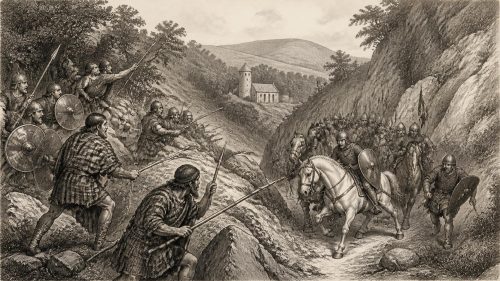
In 1188, John de Courcy led a broad Anglo-Norman expedition into Connacht, supported by Conchobar Ua Diarmata, but Conchobar Máenmaige Ua Conchobair and Domnall Mór Ua Briain defeated it near the Curlew Mountains after destructive raids through north Connacht. The failure confirmed limits to settler power and strengthened Conchobar briefly before his murder in 1189. Elsewhere, raiders from Magh Coba killed Ailech’s king Domnall Ua Lochlainn despite defeat, while Ruaidrí Ua Canannáin was murdered. Annals also record clerical deaths, pilgrimages, and domestic tragedy. Gerald of Wales’s Topographia circulated, promoting colonial assumptions challenged by annalistic evidence of complex, resilient Irish society.
Read Article

Archived: 26 September 2026
Abstract
In 1185, eighteen-year-old John, Lord of Ireland, landed with an Anglo-Norman expedition intended to strengthen royal authority and curb magnates such as Hugh de Lacy. His poor diplomacy, disputed by Gerald of Wales in detail but evident in outcome, alienated Gaelic rulers and settlers alike. Castles in Munster provoked resistance and military losses, while dynastic wars continued across Connacht and Ulster independently of John’s aims. Town charters, notably Cork’s, and grants to newcomers including Theobald Walter encouraged lasting colonial institutions. Churches, learning, trade and cattle-based livelihoods persisted amid warfare. John’s December departure secured no general obedience, but strengthened royal footholds.
Read Article

Archived: 26 September 2026
Abstract
Ireland in 1183 remained fragmented between Gaelic kingdoms and expanding Anglo-Norman lordships, with Henry II’s overlordship largely remote. The pivotal event was Conchobar Máenmaige’s accession in Connacht after Ruaidrí Ua Conchobair retired to Cong, initiating or intensifying a dynastic conflict rather than ending Ruaidrí’s influence. Annals also record killings among regional kindreds, illustrating persistent intra-Gaelic rivalry. De Lacy governed Meath and de Courcy defended Ulaid, where his Benedictine foundation at Down combined religious patronage with political consolidation. Anglo-Norman settlements, castles and estates remained vulnerable, while ports, farming, crafts and exchange linked changing lordships with enduring local communities across the island.
Read Article
Archived: 26 September 2026
Abstract
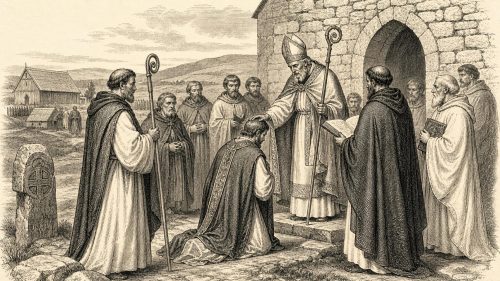
In 1180 Ireland remained politically fragmented, as Ruaidrí Ua Conchobair’s weakened high-kingship, Henry II’s overlordship and expanding Anglo-Norman lordships overlapped with resilient Gaelic dynasties. Hugh de Lacy’s marriage to Ruaidrí’s daughter demonstrated frontier diplomacy, despite royal suspicion. Connacht’s Battle of the Conors strengthened Ruaidrí’s family but devastated Uí Maine leadership, while local killings reflected persistent instability. Ecclesiastical politics shaped events at Derry and Armagh, where Tommaltach Ua Conchobair’s appointment required negotiation. Archbishop Lorcán Ua Tuathail died in Normandy during diplomacy with Henry. Castles at Carrickfergus and Meath advanced settlement, although Gaelic communities, pastoral economies and established ports retained substantial influence.
Read Article

Archived: 26 September 2026
Abstract
1179 Ireland remained politically fragmented despite Henry II’s overlordship, Ruaidrí Ua Conchobair’s western influence, and expanding lordships under Hugh de Lacy and John de Courcy. Laurence O’Toole attended the Third Lateran Council, became papal legate, secured Dublin’s privileges, and convened Clonfert synod to advance church reform against lay control. Henry reprimanded de Lacy following Irish complaints, but settlement continued. In the north, a relic-sworn peace at Ardstraw ended in treacherous killings and devastation. Fires damaged Armagh and several church centres. Annals recorded famine, warfare and destructive snow, exposing vulnerable rural communities amid religious reform, diplomatic engagement, and enduring political instability.
Read Article

Archived: 26 September 2026
Abstract
In 1173, Ireland remained a fragile, contested conquest after Henry II’s intervention. Strongbow governed Leinster under royal authority, while de Lacy held Meath and Ruaidrí Ua Conchobair retained Gaelic overlordship. The Angevin revolt drew leading Anglo-Norman commanders overseas, weakening garrisons, though Strongbow returned as Henry’s representative and supplied troops for the royal war. Domnall Mór Ua Briain, aided by Connacht forces, captured Kilkenny, exposing colonial vulnerability. Leinster dynasts also resisted Strongbow’s inheritance claim. Conflict persisted in Meath and Ulster, alongside church deaths, pestilence, plunder, trade and scholarship. By year’s end, conquest endured but remained insecure across a deeply divided island.
Read Article
Archived: 26 September 2026
Abstract
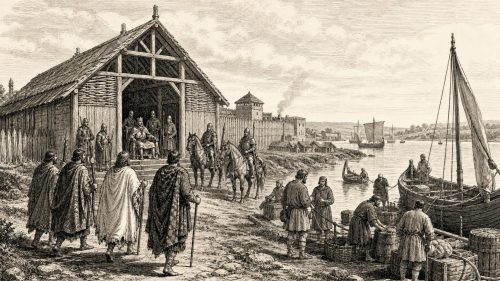
In 1172 Henry II held a winter court at Dublin, asserting royal control over Strongbow’s Anglo-Norman venture and receiving submissions from Irish rulers, though Ruaidrí Ua Conchobair remained independent. He secured Dublin, Waterford and Wexford, encouraged Bristol settlement, and linked conquest to commerce. The Council of Cashel promoted ecclesiastical order, building upon Irish reforms, while Gaelic church and political authority persisted elsewhere. Henry departed in April, granting Meath and Dublin’s custody to Hugh de Lacy. His forces devastated communities, and Tigernán Ua Ruairc was killed. Papal backing strengthened Henry’s claims, but Ireland remained divided between competing Gaelic and Angevin lordships.
Read Article

Archived: 26 September 2026
Abstract
In 1166, Muirchertach Mac Lochlainn’s breach of a guaranteed settlement in Ulaid, including the blinding of King Eochaid, destroyed his authority. Abandoned by allies, he was defeated and killed. Ruaidrí Ua Conchobair of Connacht exploited the collapse, securing submissions, hostages and tribute from Dublin and regional rulers, while distributing wealth and arbitrating disputes. Diarmait Mac Murchada, deprived of Mac Lochlainn’s support and opposed within Leinster, was expelled after coalition campaigns destroyed his Ferns residence. He sought Henry II’s permission to recruit overseas, creating conditions for later Anglo-Norman intervention. Fires, church affairs, rural burdens, towns and royal patronage also marked 1166.
Read Article

Archived: 26 September 2026
Abstract
In 1164, Ireland remained politically divided yet interconnected by kingship, churches and Irish Sea networks. High-king Muirchertach Mac Lochlainn sustained authority through alliances, tribute and ecclesiastical patronage, despite northern raids and rebellion. Rival Ruaidrí Ua Conchobair built a major fortified residence at Tuam, while Munster and Leinster saw raids, dynastic killings and blinding. At Derry, royal and clerical resources created an exceptionally large Columban church, amid wider links with Iona and the Isles. Fires damaged several religious centres. Somerled’s Scottish expedition included Dublin forces. Agriculture, livestock, skilled labour and learning underpinned society, although conflict and disaster exposed persistent deep instability.
Read Article

Archived: 26 September 2026
Abstract
In 1157, following Tairdelbach Ua Conchobair’s death, Muirchertach Mac Lochlainn asserted a contested high kingship through alliances, hostages and campaigns. Mellifont’s church consecration gathered leading clerics and rulers, displayed lavish patronage, and enabled the excommunication and deposition of Donnchad Ua Máel Sechlainn for violating a safeguard. Mac Lochlainn secured submissions in Leinster and Munster, but his settlements remained precarious. Ruaidrí Ua Conchobair raided Tír Eógain, contested Munster and assembled a Shannon fleet. Mac Lochlainn’s Newry charter linked royal authority with ecclesiastical reform. Records also show wealth in cattle and gold, vulnerable communities, fires, deaths, and persistent local conflict across Ireland.
Read Article

Archived: 26 September 2026
Abstract
In 1156, the death of Toirdelbach Ua Conchobair ended a career of contested island-wide authority and prompted succession struggles. Ruaidrí Ua Conchobair secured Connacht through hostage-taking and blinding rivals, while Muirchertach Mac Lochlainn expanded northern power by compelling submissions in Ulaid, Leinster and Osraige. Warfare and shifting alliances destabilised Mide, involving Leinster, Bréifne and Dublin forces. Power depended on hostages, tribute, raids and military expeditions, despite ecclesiastical protections. Toirdelbach’s burial at Clonmacnoise and gifts affirmed royal patronage. Fires damaged churches, religious reform continued, and learning suffered losses. A plentiful harvest was followed by severe frost, underscoring the year’s political uncertainty.
Read Article

Archived: 26 September 2026
Abstract
In 1153, rivalry between high king Toirdelbach Ua Conchobair and Muirchertach Mac Lochlainn reshaped Ireland’s political order. Following Murchad Ua Máelshechlainn’s death, his son secured Mide through violence, while Derbfhorgaill returned from Leinster to Tigernán Ua Ruairc amid circumstances. Connacht allies partitioned Munster, expelling Toirdelbach Ua Briain, but Mac Lochlainn restored him, defeated Ruaidrí Ua Conchobair at Fordruim, and imposed settlements across Mide. Control of Shannon crossings, hostages, cattle and alliances underpinned power. Church visitations, monastic developments, rural production and a fatal sea voyage reveal religious, economic and social conditions. Mac Lochlainn ended year strengthened, though no settlement was permanent.
Read Article

Archived: 26 September 2026
Abstract
In 1151, Munster's internal dynastic conflict enabled Tairdelbach Ua Conchobair of Connacht to intervene, supporting rival Uí Briain and Mac Carthaig claimants. His coalition defeated Tairdelbach Ua Briain at Móin Mór, devastating Munster and killing many aristocrats. Ua Conchobair took southern hostages and dominated Munster, but Muirchertach Mac Lochlainn soon compelled submissions from Connacht and Leinster, confirming contested overkingship. Raiding, captivity and treasure redistribution continued. Cardinal Iohannes Paparo arrived to advance church reform before Kells. Ecclesiastical visitations, a new stone church, notable deaths, and a wet winter accompanied warfare's heavy burdens on ordinary people across much of Ireland that year.
Read Article

Archived: 26 September 2026
Abstract
In 1150 Ireland remained divided among competing provincial and lesser kings, with Muirchertach Mac Lochlainn strengthening his high-kingship through hostages, alliances and the partition of Mide. Tairdelbach Ua Conchobair retained Connacht, while Tairdelbach Ua Briain raided Mide, gained Dublin’s submission and campaigned in Leinster. Warfare, cattle raiding, killings and dynastic punishments accompanied short-lived negotiated peace. Clergy at Armagh and Derry legitimised rulers, mediated settlements and collected substantial livestock tribute. Church reform advanced alongside older monastic networks; Bishop Muiredach Ua Dubthaig died. Fires damaged religious settlements. Cattle, horses and urban trade underpinned power, exposing warfare’s burden on ordinary households throughout Ireland.
Read Article

Archived: 26 September 2026
Abstract
In 1149, competing Irish rulers pursued authority through raids, alliances, hostages and ceremonial submission. Toirdelbach Ua Conchobair maintained Connacht, while Muirchertach Mac Lochlainn expanded northern influence, receiving hostages from Tigernán Ua Ruairc, Diarmait Mac Murchada and Ulaid leaders, and mediating at Dublin. Warfare devastated Ulaid, Brega and ecclesiastical settlements, bringing cattle, captives and damage to churches. Munster forces under Toirdelbach Ua Briain raided Connacht and destroyed Dún Gaillimhe. Fires affected Clonmacnoise, Derry and Inis Mic Dairen; churchmen also died. Annals reveal pastoral wealth, displacement and the vulnerability of communities sustaining contested kingship. No ruler commanded uncontested authority across the island.
Read Article
Archived: 26 September 2026
Abstract
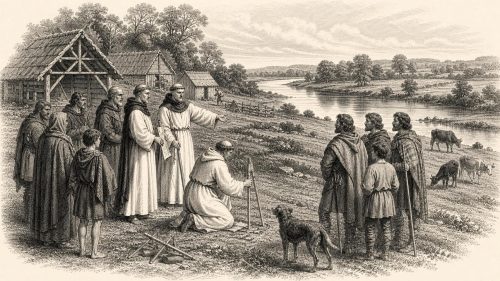
In 1147, Ireland remained politically fragmented despite Tairdelbach Ua Conchobair’s contested high-kingship. Muirchertach Mac Lochlainn, allied with Donnchad Ua Cerbaill, defeated Ulaid at Dundrum, devastated Lecale and took hostages, signalling northern expansion. At Athlone, Tethba forces defeated Ua Conchobair’s son and Uí Maine, while local killings exposed wider instability. Murchad Ua Máelsechlainn founded Bective Abbey, Mellifont’s first Cistercian daughter house, linking reform, patronage and royal politics. Malachy and other bishops mediated Tadc Ua Briain’s release; churches suffered fire and storm damage. Chronicles also noted the Second Crusade, clerical deaths and an exceptional nationwide harvest, contrasting abundance with warfare and plunder.
Read Article

Archived: 26 September 2026
Abstract
In 1146, Tairdelbach Ua Conchobair’s contested high-kingship faced warfare across Ireland. After raiding Tethba, his returning army suffered losses when Athlone’s wicker bridge collapsed during an attack, though he retained captured cattle. Connacht defeated a coalition, while Tigernán Ua Ruairc burned Ua Conchobair vessels and Ruaidrí Ua Conchobair campaigned actively. In Brega, Dublin leader Ragnall mac Torcaill was killed, followed by the killing of Cellach Ua Cellaig with Dublin support. Rulers also died in Osraige. Churchman Cormac Ua Cathasaig died amid ecclesiastical reform. Raiding, captives and damaged infrastructure exposed rural communities’ insecurity; a reported December storm remains uncertain in sources.
Read Article
Archived: 26 September 2026
Abstract
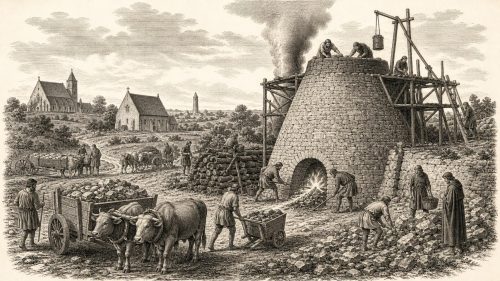
In 1145, Ireland’s contested high-kingship produced widespread warfare, recalled by annalists as a trembling sod. Tairdelbach Ua Conchobair of Connacht faced rebellion from Tigernán Ua Ruairc of Bréifne, Munster offensives and instability in Mide. In the north, Muirchertach Mac Lochlainn regained Cenél nÉogain with support from Cenél Conaill and Airgialla, establishing a powerful rival centre. Campaigns involved battles, cattle raids, burnings, captives and naval conflict on the Shannon, where Connacht defeated Munster and Limerick forces. Amid turmoil, Armagh’s church built a large limekiln, demonstrating ecclesiastical resources, reform and continuing organised construction. The year reshaped, but did not settle, Irish supremacy.
Read Article
Archived: 26 September 2026
Abstract
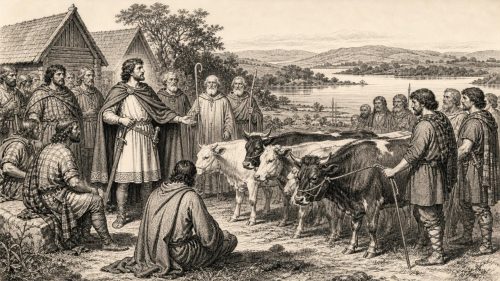
In 1144, Conchobar Ua Conchobair, Tairdelbach of Connacht’s son and king of Meath, was assassinated by Meath conspirators after six months’ rule. Tairdelbach invaded, inflicted heavy losses, accepted 400 cows in compensation, and reorganised Meath between Ua Mael Sechlainn rulers and neighbouring powers. Epidemic claimed his son Tadc and others, while clergy secured the conditional release of imprisoned Ruaidrí Ua Conchobair and mediated peace with Munster. Annals also record aristocratic deaths, kindred violence, Kells burning three times, and losses at Clonard. Events exposed high-kingship’s dependence on local dynasties, hostages, wealth, negotiation and ecclesiastical authority during a year of widespread disruption.
Read Article

Archived: 26 September 2026
Abstract
In 1143 Tairdelbach Ua Conchobair, Connacht’s dominant king, deposed Murchad Ua Máelshechlainn of Mide despite sacred guarantees, installed his son Conchobar, and provoked clerical condemnation. His authority was equally strained by the imprisonment of another son, Ruaidrí, despite ecclesiastical sureties, and by Munster’s contested incursion into south Connacht. In the north, Muirchertach Mac Lochlainn was temporarily expelled. Annals also record raids, destructive fires at major settlements, and church land transactions. The year revealed intertwined kingship, ecclesiastical power and local economies, while highlighting unreliable chronologies and conflicting annalistic accounts. Religious reform advanced through Mellifont and St Malachy alongside older sacred customs.
Read Article
Archived: 26 September 2026
Abstract
In 1141, Ireland remained a polity where Tairdelbach Ua Conchobair exercised contested high-kingship through raids, fortifications, hostages and submissions. His campaign in the midlands coincided with dynastic killings in Meath and lordships. Leinster’s Diarmait Mac Murchada ordered, or authorised, a purge that killed or blinded leading nobles, securing power but weakening provincial cohesion; he was defeated while raiding Laois. Conchobar Ua Briain gained Dublin, then his forces raided Connacht and destroyed Dún Gaillimhe. Church communities suffered and received protection, while monastic penance and burial bound elites to religious institutions. Cattle-raiding, provisioning, Dublin trade and rivalries underpinned an unstable political order.
Read Article

Archived: 26 September 2026
Abstract
In 1138, Ireland’s contested political order produced both stalemate and upheaval. Toirdelbach Ua Conchobair’s coalition confronted Meath, Leinster and Dublin without battle, confirming his reach but not supremacy. In Munster, Cormac Mac Carthaig, royal patron of reform and Cashel’s Romanesque chapel, was murdered through an Uí Briain-backed conspiracy, restoring their over-kingship while preserving Mac Carthaig resistance in Desmond. Raids, killings and crop destruction exposed local rivalries and contributed to famine. Armagh’s new primate, Gilla Meic Liac, visited Munster, while clerical deaths and fires affected churches. At Armagh, Máel Brigte completed a Gospel manuscript, demonstrating enduring scholarship amid conflict and instability.
Read Article

Archived: 26 September 2026
Abstract
In 1136 Ireland remained divided among kings, church jurisdictions and raiding forces. Tairdelbach Ua Conchobair, pre-eminent king of Connacht, faced dynastic threats, imprisoning Ruaidrí despite clerical guarantees, while another son, Áed, was blinded and a rival claimant killed. In the north, Conchobar Ua Lochlainn’s murder enabled Muirchertach Mac Lochlainn’s accession. Conflict devastated Mide and Bréifne, where cattle raids and attacks included Clonard’s plundering. Leinster, Dublin and Munster saw disputed campaigns. Malachy of Armagh advanced church reform and relinquished office amid succession. Clerics, monasteries and men remained vulnerable yet influential. Annals reveal power founded on kinship, livestock, violence, authority and memory.
Read Article

Archived: 26 September 2026
Abstract
In 1135, Ireland remained politically fragmented despite Toirdelbach Ua Conchobair’s strong, contested overlordship. Murchad Ua Máelshechlainn asserted Mide’s strategic river power by receiving hostages on the Shannon. Connacht endured dynastic killings, battles, raids and the destruction of Roscommon, while northern Uí Néill rivals, Munster factions and smaller kingdoms pursued warfare and shifting alliances. Malachy strengthened his disputed authority at Armagh by acquiring the Bachall Ísu, advancing church reform. Deaths of leading bishops and clerics, notably at Lismore, marked generational change. Fires damaged ecclesiastical centres, lightning struck towers, and plentiful mast harvest supported food supplies amid rural, maritime and market-based society.
Read Article

Archived: 26 September 2026
Abstract
In 1134, Tairdelbach Ua Conchobair’s dominance faced a broad southern challenge led by Cormac Mac Carthaig of Desmond, though church mediation prevented renewed invasion of Connacht. Cormac’s alliance with Uí Briain collapsed into Munster conflict, while Diarmait Mac Murchada pursued campaigns in Osraige with Dublin’s support against rivals including Waterford. Cormac also consecrated the Romanesque chapel at Cashel, asserting royal and ecclesiastical prestige. At Armagh, Saint Malachy’s accession advanced reform against hereditary control. Deaths of clerics reflected monastic institutions and wider Christian connections. Cattle disease, destructive weather, killings and warfare impoverished rural communities, revealing Ireland’s political ambition and social fragility.
Read Article




