Archived: 23 October 2026
Abstract
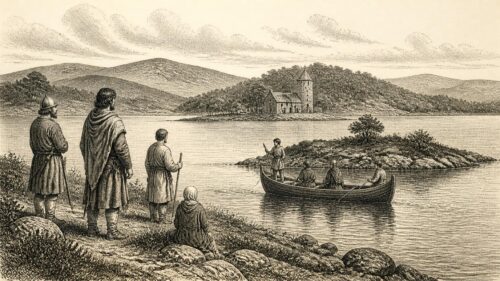
A Killing That Changed ConnachtThe most consequential Irish event securely placed in 1338 was the killing of Sir Edmund de Burgh, known in the annals as the son of the Earl of Ulster. He was captured by his kinsman Edmund Albanach de Burgh, had a stone tied about his neck, and was cast into Lough Mask. The stark formula occurs in both the Annals of Connacht and the Annals of Loch Cé. Neither supplies a day or month, and none should be invented; but both place the killing firmly within their annal for 1338.Its importance lay not merely in the
Read Article
Archived: 23 October 2026
Abstract
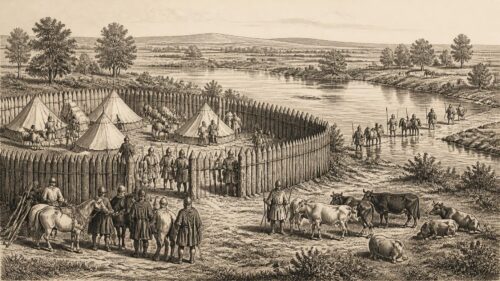
In 1337, Ireland remained politically fragmented, with Anglo-Irish, Gaelic and royal authorities pursuing alliances, rents and warfare. William, son of the Earl of Ulster, reached a rent-based settlement with Brian Bán Ó Briain, while Aodh Reamhar Ó Néill made northern peace. In Connacht, Toirdelbach Ó Conchobair established a military position at Athleague against Edmund Burke, but Clann Cheallaig defeated and captured him. Feuds in Dartry and Breifne brought killings, raids, captivity and succession. Domnall Ruadh Ó Máille and his son were murdered. Dublin received royal governors, while bishops, scholars and poets died, illustrating the interdependence of power, church and learning.
Read Article




