Archived: 17 October 2026
Abstract
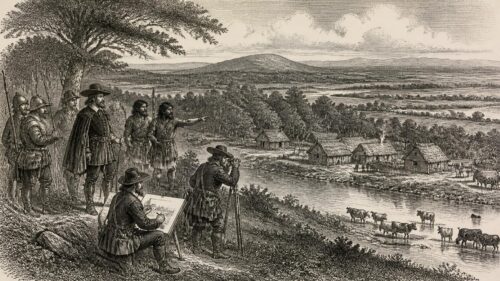
In 1609, following the Flight of the Earls and O’Doherty’s rising, James I’s government surveyed six Ulster counties to prepare their plantation. Sir Josias Bodley’s commissioners recorded townlands, resources, church lands and strategic sites, converting Gaelic territories into proposed estates. The scheme favoured English and Scottish undertakers, servitors and selected Irish proprietors, linking Protestant settlement, fortified building, common law and economic development to security. Most settlers and plantation towns arrived later, while native inhabitants remained but faced mounting insecurity. London was courted for north-western colonisation, Scottish migration encouraged, and soldiers removed. Kilkenny received a city charter, diocesan cathedrals gained status.
Read Article
Archived: 17 October 2026
Abstract
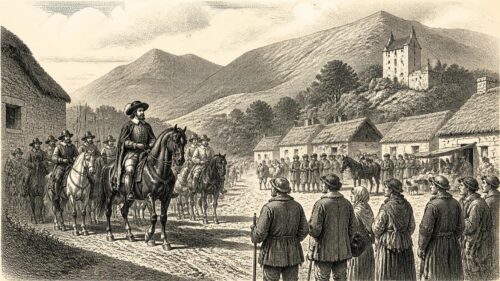
In 1606, administrative and legal interventions reshaped Ireland after the Nine Years’ War. Arthur Chichester’s government sought to establish authority through new territorial arrangements, courts and religious pressure. County Wicklow was created, Scots settled in north Down under private landlords, and judicial activity extended through Munster. Catholic townspeople faced demands for conformity, while Gaelic rulers confronted new interpretations of landholding. These developments connected local experiences to a broader programme of royal consolidation. Peace did not remove insecurity or competing jurisdictions. Instead, the year reveals efforts to translate military success into institutions, property arrangements and obligations across an unevenly governed kingdom.
Read Article
