Archived: 26 September 2026
Abstract
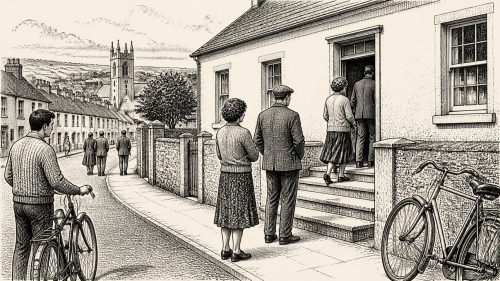
In 1986, Ireland faced economic hardship, social change and intensified Northern conflict. Garret FitzGerald’s coalition confronted debt, unemployment and emigration, while legislation addressed poverty, welfare and public archives. Voters decisively rejected a constitutional amendment permitting limited divorce, though separation and marital breakdown remained prominent realities. The census recorded 3,540,643 people; Self-Aid highlighted mass unemployment, and Knock airport symbolised regional aspiration. Chernobyl contamination fears and the Russborough art theft caused concern. The Anglo-Irish Agreement provoked unionist resistance, culminating in Peter Robinson’s loyalist incursion into Clontibret. Sinn Féin ended Dáil abstention, prompting a republican split, revealing deep enduring strains across Irish society.
Read Article

Archived: 8 October 2026
Abstract
In 1958, Ireland faced unemployment, low output and severe emigration, prompting T. K. Whitaker’s Economic Development, or Grey Book, and the Government’s November Programme for Economic Expansion. These rejected reliance on protectionism alone, advocating productivity, exports, investment and planning, though recovery remained uncertain. Lemass promoted outward-facing industry, symbolised by Ardmore Studios. Political debate included a proposed replacement of proportional representation and partial relaxation of the marriage bar for national teachers. Transport reorganisation divided the Great Northern Railway and closed Dublin’s Harcourt Street line. Amid the IRA Border Campaign, Ireland began United Nations service in Lebanon. Sporting events provided international connections.
Read Article
Archived: 9 October 2026
Abstract
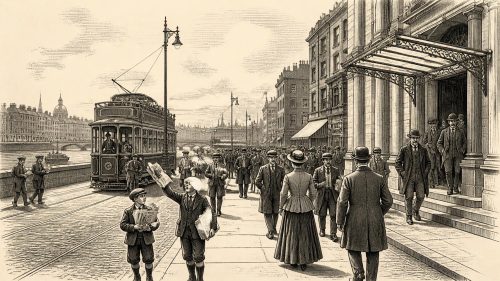
In 1931 the Irish Free State gained legislative autonomy through the Statute of Westminster, while unresolved Treaty issues, partition and political rivalry persisted. Cosgrave’s government faced Fianna Fáil’s growing constitutional challenge, republican fears and economic depression affecting farming, exports, employment and emigration. The Public Safety Act introduced emergency powers after Saor Éire’s congress, revealing anxieties about violence. The Four Courts reopened, symbolising post-Civil War recovery. Flooding struck Cork, while An Óige encouraged rural travel. The Irish Press began publication, strengthening nationalist political communication. Dublin’s first state-sponsored St Patrick’s Day parade projected order, although industrial unemployment remained severe in Northern Ireland.
Read Article

Archived: 9 October 2026
Abstract
In 1914, Ireland experienced social hardship after the Dublin Lockout, escalating conflict over Home Rule, and the growth of armed volunteer movements. The Curragh crisis undermined army neutrality, while Ulster Volunteers imported arms at Larne. Nationalists responded through Cumann na mBan’s formation and the Howth gun-running, followed by fatal shootings at Bachelor’s Walk. Efforts to resolve Ulster’s status at the Buckingham Palace Conference failed. Britain’s entry into the First World War transformed priorities. Although the Third Home Rule Act received Royal Assent in September, it was immediately suspended. Redmond’s call for wartime enlistment divided the Irish Volunteers, deepening political uncertainty.
Read Article

Archived: 10 October 2026
Abstract
In 1875, Irish politics exposed emerging strains within constitutional nationalism. John Mitchel’s two Tipperary victories, followed by parliamentary disqualification and his death, made elections vehicles for protest. Charles Stewart Parnell entered Parliament for Meath, while Joseph Biggar’s resistance to coercion foreshadowed new Westminster tactics. Thomas Croke became archbishop of Cashel, initially concentrating on diocesan affairs. Population decline, emigration and livestock dependence reflected post-Famine economic change, while Dublin’s whiskey fire revealed urban industrial danger. Railway expansion, Ireland’s first rugby international, and Hibernian Football Club’s foundation demonstrated widening commercial, sporting and migrant connections, anticipating later political and agrarian conflicts across Irish society.
Read Article
Archived: 11 October 2026
Abstract
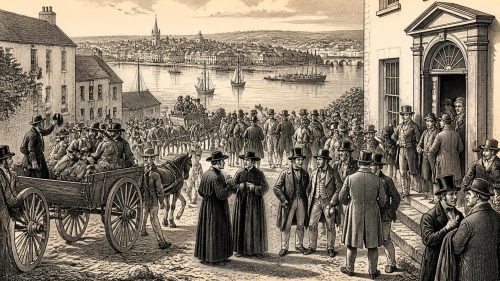
In 1826, Ireland saw organised Catholic politics challenge landlord authority without achieving emancipation. Daniel O’Connell’s reconstituted Catholic Association mobilised parish networks, subscriptions and forty-shilling freeholders around religious rights, education and electoral action. County Waterford’s election symbolised this change: Henry Villiers Stuart, a Protestant emancipation supporter, defeated Lord George Beresford, demonstrating tenants’ capacity to resist estate influence. Pro-emancipation gains elsewhere reinforced warning to government. Sterling replaced Irish currency, integrating financial administration with Britain. An education inquiry exposed fragmented, denominational schooling, while land legislation addressed complex tenancies amid rural hardship. Arklow received Ireland’s lifeboat station, and Tyrone Power advanced his London career.
Read Article
Archived: 11 October 2026
Abstract
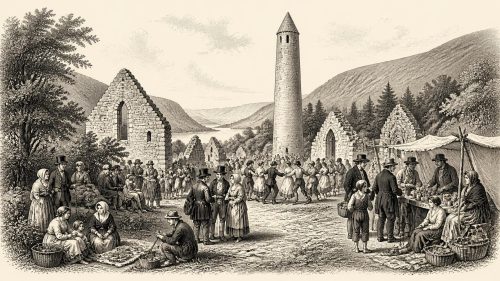
In 1813, Catholic emancipation dominated Irish politics as Henry Grattan’s relief bill advanced at Westminster before collapsing over parliamentary admission and proposed state influence on episcopal appointments, opposed by bishops and Daniel O’Connell. Sectarian tension erupted at Garvagh, County Londonderry, where armed Protestants and Orangemen repelled Ribbonmen during a fair. An unsuccessful census initiative reflected administrative uncertainty, while observations of poverty, fever and education highlighted social pressures. Cultural life included Hugh Porter’s poetry and Glendalough’s patron festival. In September, the Limerick meteorite fell near Adare, becoming Ireland’s largest recorded meteorite fall and was preserved for scientific study as material evidence.
Read Article
Archived: 11 October 2026
Abstract
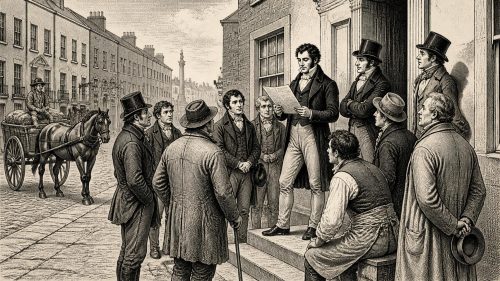
In 1810, nine years after Union, Ireland’s Catholics remained excluded from Parliament and offices despite earlier relief. Henry Grattan’s unsuccessful Westminster initiative exposed disputes over a proposed veto on episcopal appointments. Daniel O’Connell, opposing such control, issued a Dublin circular encouraging county committees to correspond with the Catholic Committee, strengthening constitutional, national organisation. Authorities nevertheless feared representative associations under the Convention Act. Parliament’s Unlawful Oaths (Ireland) Act punished coercive combinations amid rural insecurity. Meanwhile, agriculture dominated livelihoods, while Ulster linen connected production and Belfast commerce to wartime markets. Print, learned culture and Irish historical interests accompanied a contested public life.
Read Article
Archived: 11 October 2026
Abstract
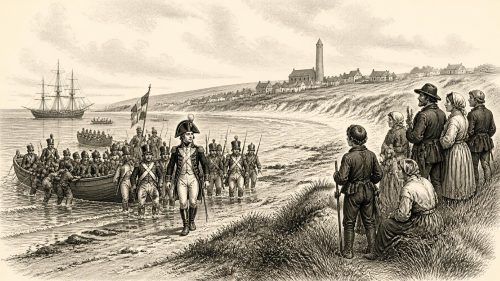
In 1798, the United Irishmen attempted a national revolution against British rule, seeking a representative Irish republic uniting Catholics, Presbyterians and reforming Anglicans with French support. Arrests, coercion and weak coordination fragmented the rising into regional conflicts. Wexford rebels captured Enniscorthy and Wexford town, but atrocities including Scullabogue accompanied fighting before defeat at Vinegar Hill. Ulster risings at Antrim and Ballynahinch failed. In August, General Humbert’s French force landed at Killala, won at Castlebar, then surrendered at Ballinamuck. Repression, executions and transportations followed. The rebellion’s violence and French intervention strengthened arguments for union, reshaping Irish politics and leaving divisive legacy.
Read Article
Archived: 12 October 2026
Abstract
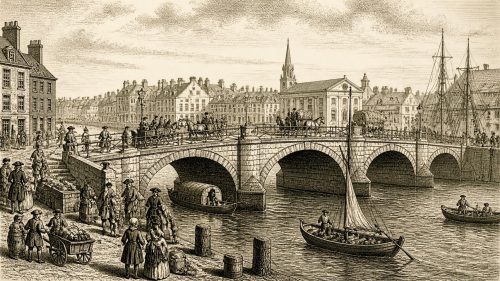
In 1755, Ireland remained a Protestant-controlled kingdom constrained by Britain, with Catholics and Presbyterians excluded from political rights. William Cavendish became lord lieutenant as parliament resumed under a narrow electorate. Dublin’s Essex Bridge opened, improving movement across the Liffey, while Luke Gardiner’s death marked his influence on planned urban development. Banking failures exposed fragile commercial credit, despite linen’s importance. Thomas Omer began Shannon navigation works, seeking inland connectivity. Russborough House displayed landed wealth; Moravian activity illustrated religious diversity; and the Irish Artillery Company reflected tensions. Lisbon’s earthquake and tsunami disturbed Irish coasts, damaging Galway’s Spanish Arch and demonstrating Atlantic connections.
Read Article
Archived: 13 October 2026
Abstract
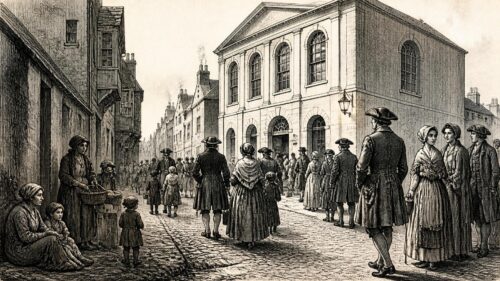
In 1741, Ireland endured the deadliest phase of the 1740–41 Great Frost famine, or Bliain an Áir. Freeze, drought, crop and livestock failures, lost employment and soaring prices caused widespread hunger, while fever and dysentery devastated weakened populations. Estimated deaths across the crisis reached 310,000–480,000, though records remain incomplete. Relief was fragmented, relying on local charity, imports, employment schemes and municipal action. An improved harvest and falling prices eased scarcity late in the year, but disease and hardship persisted. Amid extreme inequality, Dublin opened Fishamble Street’s Music Hall and welcomed Handel, while Killiney Hill relief works commemorated suffering and employment.
Read Article

Archived: 13 October 2026
Abstract
In 1723, Avoca in County Wicklow established a co-operative weaving mill where farmers brought wool for spinning, dyeing and weaving, alongside corn-grinding. Powered by the river and serving local households and mining communities, it illustrates rural adaptation despite restrictions on Irish woollen exports. Prolonged hot, dry weather brought relative agricultural stability, though drought posed risks. Ireland’s restricted Protestant Parliament considered revenue, manufacture, policing and trade. Wood’s English-minted copper coinage provoked anxieties over consent and commerce. Catholic Archbishop Bernard O’Gara’s appointment demonstrated institutional resilience under penal laws. Claims that Dr Steevens’ Hospital opened that year are unsupported; it opened in 1733.
Read Article
Archived: 14 October 2026
Abstract
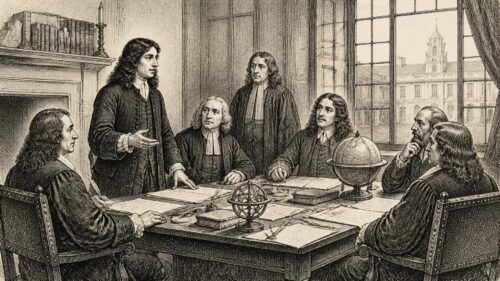
In 1683, Restoration Ireland reflected vigilant government, Protestant consolidation, Catholic resilience and emerging scientific enquiry. Following England’s Rye House Plot, Lord Deputy Arran and Ormond monitored suspected dissenters, linking officeholding to Church of Ireland conformity; Richard Talbot’s return also signalled Catholic court influence. Randal MacDonnell’s death ended the Antrim marquessate amid indebted estate arrangements. William Molyneux convened Dublin’s first philosophical society, promoting observation and practical knowledge. Archbishop Boyle’s new Blessington church embodied Anglican landlord power, while Dominic Maguire’s selection as Catholic primate demonstrated ecclesiastical continuity. Trade remained pastoral, Greatrakes died, and the severe winter threatened livelihoods across the island’s communities.
Read Article

Archived: 14 October 2026
Abstract
In 1681, Ireland’s most memorable event was the London execution of Oliver Plunkett, Catholic archbishop of Armagh, after a flawed Popish Plot treason trial. His death exposed Catholic insecurity under Restoration rule. Governed by the duke of Ormond, Ireland lacked a parliament and relied on proclamations, courts and armed institutions. A November order required militia and army officers to receive Church of Ireland communion, affirming confessional loyalty. A July ban on grain exports reflected concern over provisioning, without proving famine. In September, Quakers led by William Bates sailed from Dublin for West Jersey, demonstrating Ireland’s Atlantic religious and migratory connections.
Read Article
Archived: 14 October 2026
Abstract
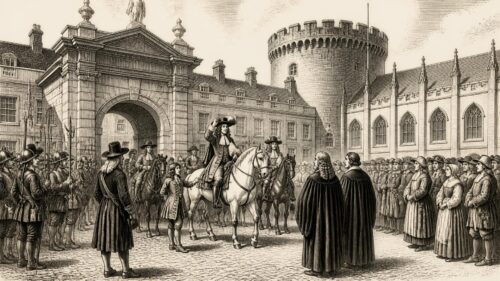
In 1677 James Butler, duke of Ormond, resumed the lord lieutenancy, succeeding Essex amid consequences of war, conquest and Restoration land settlement. His authority was constrained by control of revenue through Ranelagh’s undertaking, while his hoped-for parliament did not meet. Government addressed claims of 1649 royalist officers, currency regulation, night watches, local crime, fortifications and property disputes. Honours and ecclesiastical appointments reinforced Protestant authority, while Catholics remained restricted but not yet subject to later repression. Francis O’Molloy published the printed Irish grammar in Rome, exemplifying Catholic scholarship abroad. The deaths of Bellings, Lynch and Taaffe marked a passing political generation.
Read Article

Archived: 16 October 2026
Abstract
In 1623, Lord Deputy Viscount Falkland sought to reduce Irish administration’s costs while reinforcing royal control over revenue, land and religion. Correspondence recorded poverty and efforts to improve customs income. June orders promoted Protestant conformity through oaths, regulated school staff and action against recusants, though obedience remained uneven. Malcolm Hamilton’s consecration as Church of Ireland archbishop of Cashel demonstrated reliance on Protestant networks shaped by Ulster settlement; James Ussher’s republished scholarship supported confessional claims. In October, commissioners investigated timber waste in crown-claimed Ranelagh, linking woodland, survey, law and income. These measures reveal tensions beneath apparent peace, not a settled kingdom.
Read Article
Archived: 17 October 2026
Abstract
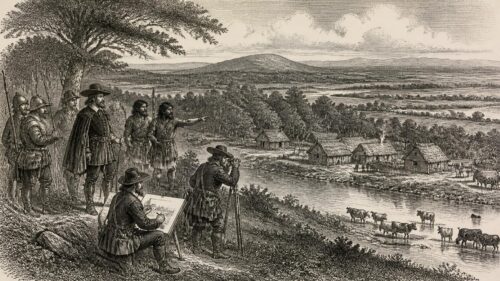
In 1609, following the Flight of the Earls and O’Doherty’s rising, James I’s government surveyed six Ulster counties to prepare their plantation. Sir Josias Bodley’s commissioners recorded townlands, resources, church lands and strategic sites, converting Gaelic territories into proposed estates. The scheme favoured English and Scottish undertakers, servitors and selected Irish proprietors, linking Protestant settlement, fortified building, common law and economic development to security. Most settlers and plantation towns arrived later, while native inhabitants remained but faced mounting insecurity. London was courted for north-western colonisation, Scottish migration encouraged, and soldiers removed. Kilkenny received a city charter, diocesan cathedrals gained status.
Read Article
Archived: 17 October 2026
Abstract
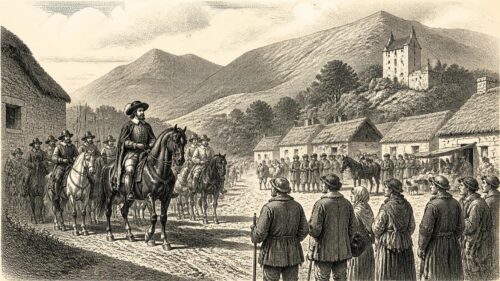
In 1606, administrative and legal interventions reshaped Ireland after the Nine Years’ War. Arthur Chichester’s government sought to establish authority through new territorial arrangements, courts and religious pressure. County Wicklow was created, Scots settled in north Down under private landlords, and judicial activity extended through Munster. Catholic townspeople faced demands for conformity, while Gaelic rulers confronted new interpretations of landholding. These developments connected local experiences to a broader programme of royal consolidation. Peace did not remove insecurity or competing jurisdictions. Instead, the year reveals efforts to translate military success into institutions, property arrangements and obligations across an unevenly governed kingdom.
Read Article

Archived: 17 October 2026
Abstract
In 1581, Arthur Grey’s Tudor administration tightened control in Ireland through raids, garrisons, submissions, forfeiture and negotiation, but failed to secure peace. Stanley and Russell burned Fiach MacHugh O’Byrne’s Ballinacor stronghold; Fiach later submitted conditionally, while the excluded Baltinglass continued raids before fleeing abroad. Confiscated estates rewarded Crown servants, whereas cess burdened loyal communities. Munster’s Desmond rebellion endured amid scorched-earth warfare, famine, displacement and Nicholas Sander’s death. Grey negotiated rather than fought Turlough Luineach O’Neill in Ulster, while Malby pressed Connacht. Catholic links persisted through Dermot O’Hurley’s appointment; Derricke’s publication promoted conquest. War extended Tudor authority while creating enduring grievances.
Read Article
Archived: 17 October 2026
Abstract
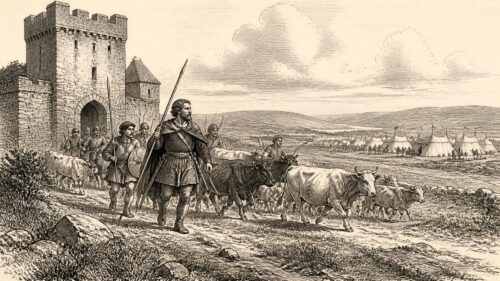
In 1568, Ireland experienced sharpening local conflicts as royal intervention, disputed land rights and absent lords weakened established authority. With the earl of Desmond imprisoned in England, James fitz Maurice unsuccessfully besieged Thomas Fitzmaurice at Lixnaw, where plunder, drought and shortages afflicted civilians and troops. Munster tensions grew through MacCarthy alliances and proposed English settlements. In Leinster, Sir Peter Carew’s successful Idrone claim and Edmund Butler’s estrangement foreshadowed revolt. Sir Henry Sidney pursued limited Ulster agreements, garrisons and transport schemes. Protestant church appointments likewise revealed the gap between crown ambition and practical control, anticipating conflicts in 1569 and subsequent upheavals.
Read Article
Archived: 22 October 2026
Abstract
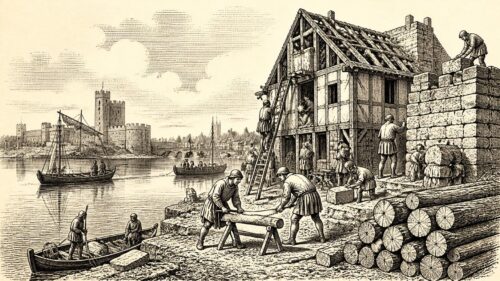
In 1370, Brian Sreamhach Ó Briain defeated and captured Gerald FitzGerald, earl of Desmond, near Monasternenagh, then pressured Limerick, which was burned and briefly placed under Mac Conmara control. King’s lieutenant William of Windsor secured Desmond’s release, recovered the city and agreed reparations of cattle and timber. His government, hampered by inadequate funds, also faced fighting in Wicklow. Elsewhere, Niall Mór Ó Néill consolidated Tyrone through hostages, land grants, marriage and victory over Brian Mór Mac Mathghamhna. Captures, succession disputes and raids in Breifne and Leinster further demonstrated that Irish power rested on local alliances, coercion, resources and negotiated settlements.
Read Article
Archived: 23 October 2026
Abstract
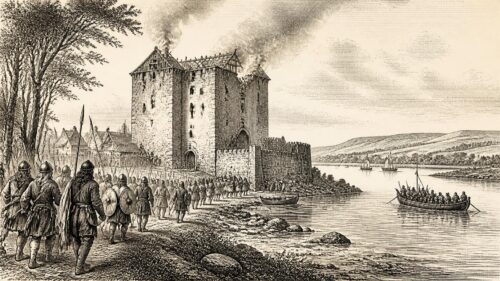
In 1332, Ireland’s lordship faced acute political and social strain. Sir William de Bermingham was executed in Dublin after politically charged conspiracy proceedings, while his son Walter was released. Thomond forces destroyed Bunratty Castle, whereas Anthony de Lucy recovered and garrisoned Arklow. Hostages seized castles at Limerick and Nenagh, exposing fragile authority; civic action restored Limerick. Raids, rivalries and warfare affected Munster, Leinster, Connacht and Ulster. Disease and exceptionally expensive wheat compounded hardship after famine. Edward III’s planned expedition was abandoned for Scotland, weakening government and leading to Lucy’s replacement by John Darcy. Richard FitzRalph’s Oxford chancellorship illustrated Irish connections.
Read Article
Archived: 24 October 2026
Abstract
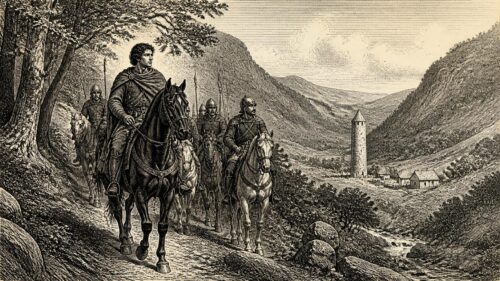
In 1308, John Wogan’s defeat at Glenmalure exposed the vulnerability of royal power near Dublin, although administration continued. Piers Gaveston, Edward II’s controversial favourite, arrived as king’s lieutenant, combining political exile with military responsibility. Later campaigns against Wicklow opponents, including the Ó Byrnes, sought to restore authority through coercion and infrastructure. In Connacht, raids, broken peace agreements and failed hostages involved Ó Conchobair branches, Mac Diarmata, Ó Dubda and Anglo-Irish forces, demonstrating unstable alliances and dynastic violence. Stormy weather damaged people and cattle, while lightning struck Roscommon’s Dominican friary. The year revealed an uneven landscape where powers constrained royal government.
Read Article
Archived: 25 October 2026
Abstract
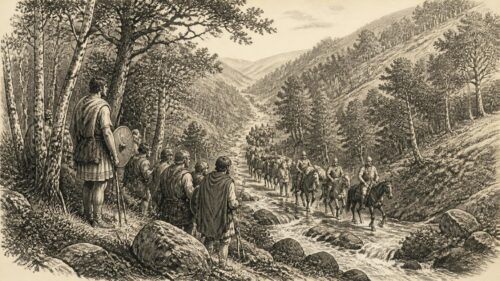
In 1276, Ireland remained politically fragmented, with English lordship dependent on local power, finance and force. In Connacht, rivalry between Tadc Ó Conchobair and Áed Muimnech produced alliances, burnings, cattle raids, recoveries and deaths, affecting wider lordly communities. In Wicklow, Geoffrey de Geneville’s expedition was defeated at Glenmalure by Art Mac Murchada, Gearóid Ó Broin and allies, demonstrating mountain resistance to Dublin’s authority. Edward I replaced Geneville with Robert de Ufford, whose government sought firmer control through administration, military spending and fortifications at Rindoon and Athlone. Possible Irish interest in English common law also exposed law as a negotiable privilege.
Read Article

Archived: 26 September 2026
Abstract
In 1125 Tairdelbach Ua Conchobair, king of Connacht, extended his supremacy across central and southern Ireland through campaigns, tribute and political appointments. After southern revolts, warfare affected Limerick, Lismore and coastal Munster. He exacted compensation at Aghaboe, asserted influence over Leinster and Dublin, then invaded Meath after Murchad Ua Mael Sechlainn destroyed Shannon bridges. Tairdelbach expelled Murchad and partitioned Meath among dependent rivals, provoking immediate killings and continued instability. Fighting also affected Brega, Airgialla and Connacht. Meanwhile Armagh’s church received a new roof, prominent clerics died, and warfare burdened farming, trade and local communities. His authority remained powerful but insecure.
Read Article
Archived: 27 October 2026
Abstract
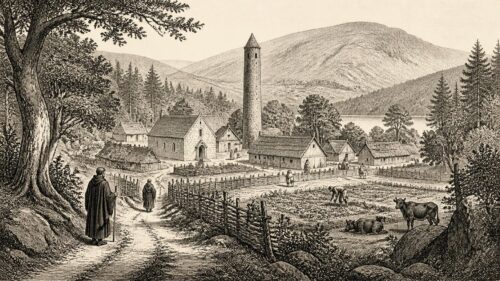
In 957, Irish annals chiefly record deaths of important royal and ecclesiastical office-holders rather than warfare or major events. During Domnall ua Néill’s early reign, following Congalach’s violent death, Máel Fothartaig, king of Caisel, and Máel Coluim ua Canannáin, king of Cenél Conaill, died, opening significant regional successions. Cathasach of Druimthorraid, successor of Patrick and learned bishop, also died, leaving Armagh’s influential Patrician institution without its head. Flann ua hAedacáin, superior of Glendalough, Colmán, successor of Mo-Laise, and other figures were likewise commemorated. The sparse record reveals interconnected political, religious and local authority, while obscuring ordinary lives and succession processes.
Read Article
Archived: 27 October 2026
Abstract
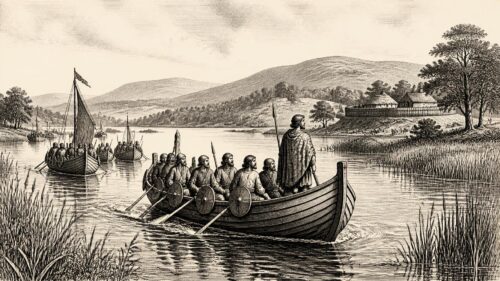
In 955, according to annalistic chronology, Domnall son of Muirchertach led ships from northern waters through Lough Neagh, Airgialla, Lough Erne and Lough Oughter into Bréifne, where he plundered and took hostages from Ua Ruairc. The expedition demonstrated the political importance of waterways and coercive overlordship. Dates and claims to high kingship remain disputed: Congalach Cnogba was still campaigning before his recorded death in the following annalistic year. Other notices record Leinster fighting and Domnall’s raid, Fearghal’s fleet on Loch Cé, and deaths among secular and ecclesiastical leaders. Together, they depict Ireland where forces, lordship, monasteries and networks shaped power.
Read Article
Archived: 30 October 2026
Abstract
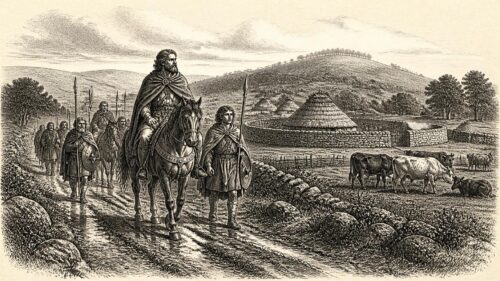
In 809, Muirgius, Uí Briúin overking of Connacht, devastated the Luigni after they killed his sons Tadc and Flaithnia, demonstrating how dynastic loss prompted collective military punishment. The episode reflected Connacht’s fragmented politics, where alliances, kinship and armed followings underpinned authority. Annals also record deaths of regional kings, churchmen and officials, highlighting unstable personal networks of power. Notices concerning Glendalough and Lorrha indicate ecclesiastical leadership changes, though sources disagree on names and chronology. Rural communities sustained kings and churches through cattle, grain and labour, while warfare endangered livelihoods. No securely dated Viking raid is recorded anywhere for Ireland that year.
Read Article
Archived: 2 November 2026
Abstract
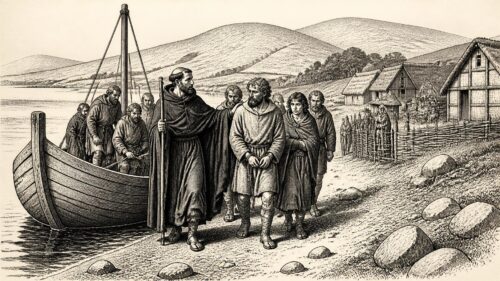
In 686 CE, the clearest securely dated Irish development was an act of return rather than a battle: Adomnán, abbot of Iona, brought sixty former captives back to Ireland. The notice in the Annals of Ulster is exceptionally brief, naming neither the people released nor their home districts, the port at which they landed, or the terms on which freedom was obtained. Yet its precise number and its place amid notices of deaths and killings make it one of the most human records preserved for this year. It also reveals an Ireland connected, and vulnerable, across the Irish Sea. A
Read Article
Archived: 2 November 2026
Abstract
In 659 CE, Ireland’s surviving annalistic record is unusually quiet about battles, harvests and royal assemblies, but it is not empty. The Annals of Ulster, in an entry whose calendar heading explicitly identifies the year as AD 659, records a cluster of deaths: Bishop Fínán son of Rímid, Colmán of Glendalough, Daniél bishop of Cenn Garad, Echaid son of Blathmac, Conall Crannamna, and Eóganán son of Tóthalán. This is firm evidence for what the annalist chose to commemorate, rather than a complete record of all that happened. It offers a revealing cross-section of the Irish world: an important Leinster church,
Read Article





