Archived: 10 October 2026
Abstract
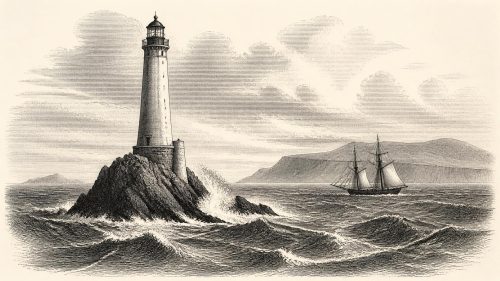
In 1854, Ireland remained deeply marked by famine, depopulation, poverty, emigration and changing landholding. Fastnet Lighthouse opened to improve Atlantic navigation, yet the emigrant ship Tayleur was wrecked off Lambay, killing hundreds and exposing migration’s dangers. Poor-law institutions managed continuing hardship while mass emigration connected Ireland with Britain, America and Australia. Tenant-right politics weakened amid conflict between Archbishop Paul Cullen and Frederick Lucas over clerical involvement. John Henry Newman opened the Catholic University of Ireland, despite limited resources and no degree-granting charter. The National Gallery Act and Charles Davis Lucas’s Baltic heroism also reflected Ireland’s developing cultural and imperial connections.
Read Article

Archived: 10 October 2026
Abstract
In 1851, Ireland’s census recorded 6,552,385 inhabitants, a decline of 1,659,330 since 1841, exposing famine mortality, disease, eviction and emigration while imperfectly distinguishing deaths from departures. Losses were greatest in western and southern potato-dependent districts, accelerating the disappearance of poor cabins and weakening Irish-speaking communities. Emigration remained immense, reshaping families and local economies. Estate sales under the Encumbered Estates Act, limited tenant-improvement legislation and Tenant Right agitation intensified land questions. The Medical Charities Act expanded dispensary provision. John Henry Newman’s appointment advanced plans for a Catholic university. Meanwhile, Ulster linen exhibitors at the Great Exhibition displayed industrial strength amid devastation.
Read Article




