Menyanthes Trifoliata
Archived: 30 September 2026
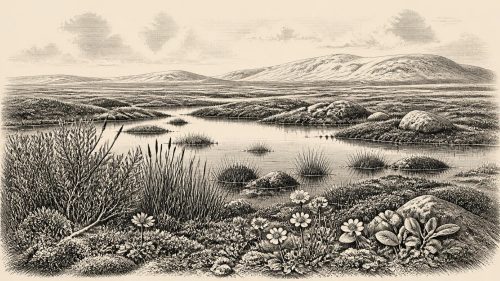
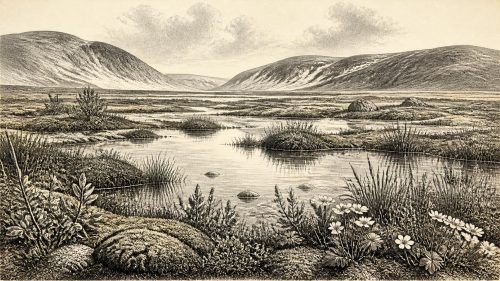
Around 30,439 BCE, Ireland lay within the unstable Late Pleistocene, rather than a recoverable year. At Derryvree, County Fermanagh, freshwater sediments between glacial tills preserve evidence of an ice-free interval: bogbean, sedges, mosses, aquatic plants and Arctic-alpine vegetation occupied cold, open wetlands. Later ice advances buried and eroded much evidence. Castlepook Cave, County Cork, records fauna, including reindeer, mammoth, giant deer, predators and small mammals, accumulated over long periods. A possibly cut-marked reindeer bone suggests brief Upper Palaeolithic human activity, but cannot prove settlement or colonisation. The evidence depicts shifting climates, seasonal habitats and intermittent access, not continuous human occupation.