Archived: 30 October 2026
Abstract
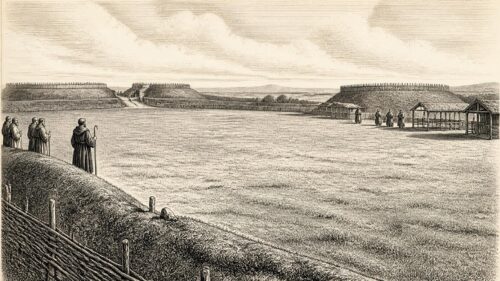
In 810, Tallaght’s monastic community prevented the royal fair at Tailtiu after the Uí Néill violated its sanctuary, leaving the assembly devoid of expected horses and chariots. Subsequent gifts to Tamlacht indicate public redress and demonstrate ecclesiastical leverage over Áed son of Niall’s kingship. Nuadu, abbot of Armagh, carried Patrick’s law and a casket to Connacht, extending Patrician claims without recorded outcome. The Ulaid defeated Scandinavian raiders, the first surviving annalistic Irish victory, though details remain unknown. Death notices recall monastic and aristocratic life, while the disrupted fair depended upon agricultural surplus and rural exchange across early medieval Irish society.
Read Article
Archived: 30 October 2026
Abstract
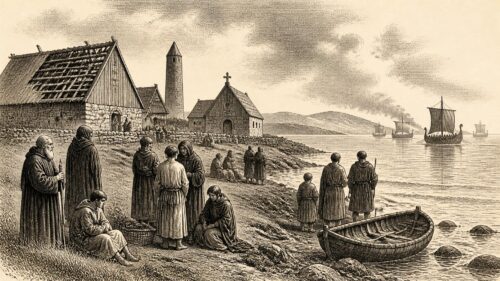
In 806, though annalistic dating varies, Ireland experienced pestilence, political upheaval, ecclesiastical losses and attacks on religious sites. A great mortality was recorded alongside abundant woodland mast, without identifying the disease. Áed Oirdnide promulgated Patrick’s law, reinforcing links between royal authority and Armagh, while Fínshnechtae regained Leinster and Flaithnia of Uí Fhailgi was killed. Leading churchmen died, and Tír dá Glas was burned for unknown reasons. Most notably, pagan seaborne raiders killed sixty-eight members of Iona’s Columban community. The massacre exposed monasteries’ maritime vulnerability, although Iona and its Irish-connected Columban network survived and remained influential throughout the Irish Sea world.
Read Article


