

Related Archive: Shandon Cave

Shandon Cave’s Bear Horizon

Shandon Cave’s Bear Horizon

Archived: 9 September 2026

Abstract

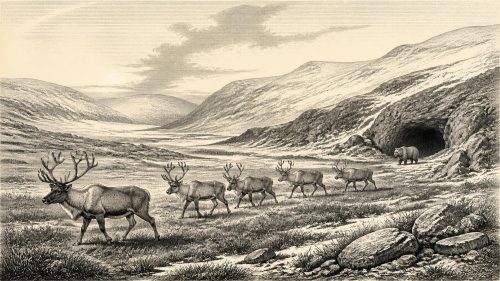
31,884 BCE is a modern, uncertain calendar conversion within Marine Isotope Stage 3, preceding the Last Glacial Maximum. Ireland experienced variable cold conditions, with shifting ice, periglacial terrain and habitable ice-free areas. Shandon Cave, County Waterford, contains a brown-bear bone whose calibrated range overlaps this period, demonstrating late-Pleistocene animal presence but not exact-year occupation. Cave finds from Shandon and Castlepook indicate intermittent access for mammals including reindeer, horse, mammoth, predators and bears across open, sparsely vegetated habitats. Possible cut marks on a Castlepook reindeer bone suggest, but cannot prove, a brief human visit. No evidence supports settlement or migration routes.

Read Article

Shandon Cave Fauna

Shandon Cave Fauna

Archived: 8 September 2026

Abstract

Around 34,000 cal BP, during Marine Isotope Stage 3, Ireland was a climatically variable, partly exposed north-west European landscape before the Last Glacial Maximum. Lower sea levels altered coasts and possible access routes. Cave deposits at Shandon, Waterford, and Castlepook, Cork, preserve remains of mammoth, reindeer, horse, giant deer, bear, wolf and hyaena, indicating productive open habitats, though bones span different periods and disturbed contexts. Ice-sheet growth later transformed landscapes and fauna. No securely dated human occupation exists for this time; disputed cut-mark evidence warrants further investigation. Ireland is best understood as a changing Ice Age environment, not a society.

Read Article

